

As the holidays approach, schools prepare for festive events, final assessments, and well-deserved rest for students and staff. It’s a busy season, and district leaders carry the responsibility of ensuring that every student continues on a path toward success, even when school isn’t in session.
One important question often arises this time of year: What happens to student learning over winter break?
While the break is much shorter than summer, research shows that students can still lose ground in just a couple of weeks. This disruption to academic momentum can be especially challenging for students who may already face barriers to success. For leaders dedicated to equity, achievement, and whole-child well-being, supporting at-home learning during winter break is an opportunity to help every child return in January ready to thrive.
The Research Is Clear: Learning Loss Doesn’t Wait for Summer
We’ve long recognized the “summer slide,” but studies show that skill regression can occur during any extended school break. When students lack access to books, structure, or enrichment at home, the impact can be significant.
1) Students lose reading progress over winter break
A 2023 NWEA analysis found that more than 1 in 3 students show a decline in reading scores from fall to winter. Younger learners, particularly in grades K–3, are the most vulnerable, since they are still developing foundational literacy skills.
“The shorter winter break doesn’t erase the threat of skill regression, especially for early readers.” – NWEA
2) Gaps widen for vulnerable student groups
According to the RAND Corporation, winter break disproportionately affects students from low-income or historically underserved communities. These students are more likely to:
- Lack access to age-appropriate books or internet at home
- Have fewer structured learning opportunities
- Fall further behind with each disruption in routine
3) Teachers spend valuable time reteaching
An Education Week survey revealed that teachers often spend 2–4 weeks in January reteaching skills and reestablishing routines after winter break. That means instructional time that could be used for new learning is instead focused on rebuilding what was lost.
What Can Schools Do?
Leaders know there’s only so much that can be asked of teachers and families during the holiday season. Students deserve both joy and rest, but they also benefit from having simple, meaningful ways to stay engaged.
By planning ahead, districts can reduce the impact of learning loss and ease the transition back into the classroom.
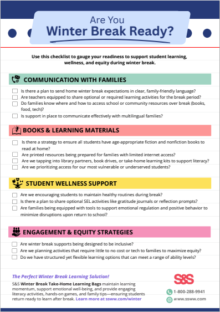
That’s where our Winter Break Readiness Checklist comes in: a practical, one-page guide designed to help leaders quickly evaluate how prepared their schools are before students head into the holidays.
Winter Break Readiness Checklist
This quick guide helps district and school leaders consider whether they are prepared to:
- Communicate clearly with families
- Provide access to books and hands-on learning tools
- Offer SEL support and continuity of routines
- Equip families with equitable, easy-to-use strategies
It also highlights simple, turnkey solutions – like take-home learning bags – that extend learning opportunities into homes without creating extra burdens for teachers or parents.
Why School Break Take-Home Learning Bags Work
Teachers already give so much. Families already juggle plenty. The key is a solution that is ready-to-use, engaging, and supportive for both.
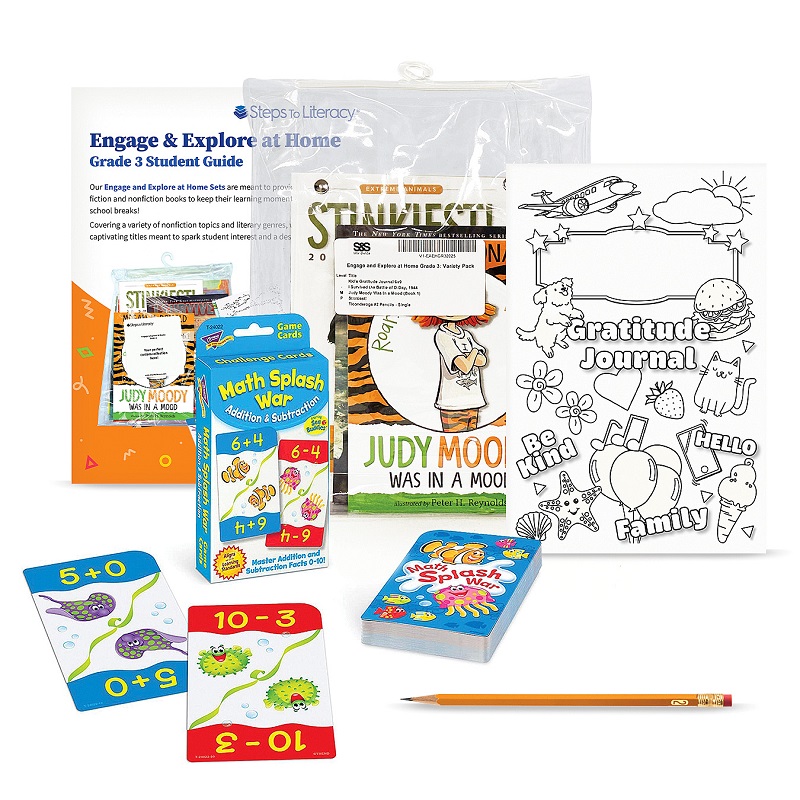
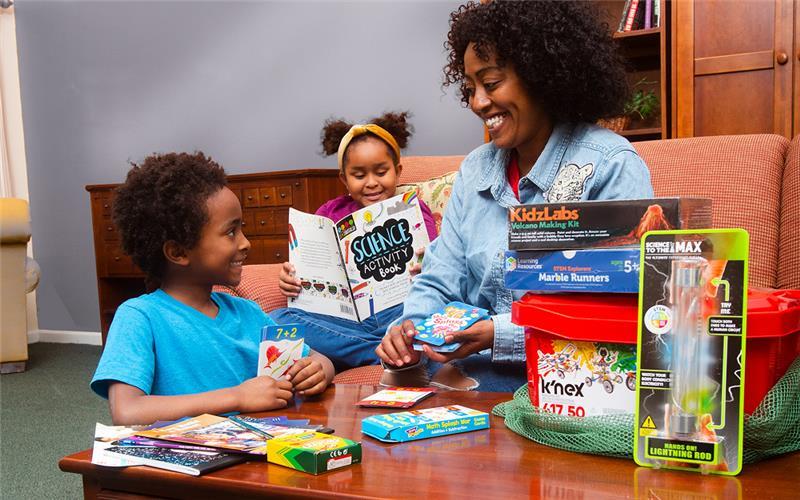
Our Winter Break Learning Bags include:
- Grade-appropriate fiction and nonfiction books
- Academic enrichment activities
- SEL journaling prompts, reading challenges, and family-friendly guides
No tech. No prep. Just meaningful, hands-on learning made simple.
These bags aren’t just a temporary fix – they provide a strategic way to:
- Sustain skill development
- Reduce reteaching in January
- Promote equity and access
- Strengthen family-school connections
Ready to Prepare Your District for a Stronger Winter Break?
Download the free checklist today to evaluate your district’s readiness and explore high-impact ways to keep learning going – even when school isn’t in session.
Get Your Free Winter Break Readiness Checklist here >
Support your students in returning after the holidays, not just rested, but ready to learn.




Pingback: Why At-Home Learning Over Winter Break Matters - S&S Blog