
 After School
Winter break offers a much-needed pause for students and families – a chance to rest, recharge, and enjoy time together. However, while it’s great to take a break from the usual routine, it’s important to be aware of the potential impact on students’ academic progress.
Understanding Winter Academic Slide
Research shows that one in three students experiences learning loss during extended breaks like winter vacation. The “winter slide” or “winter academic slide” can affect students’ ability to retain the skills they learned in the previous term. For underprivileged students, the impact is even more severe—students from low-income households lose up to twice as much learning as their peers during breaks .
This learning loss is not a trivial issue. When students return to school, teachers report spending 2 to 4 weeks reteaching material that students have forgotten, slowing down the pace of new learning .
The Importance of Continued Learning at Home
Engaging in meaningful, at-home learning experiences during winter break can make a significant difference. By incorporating learning into everyday moments—such as games, hands-on activities, and creative projects—families can help keep children’s minds active while still honoring the spirit of the season.
Benefits of At-Home Learning During Winter Break
- Skill Maintenance: Regular practice over the break helps reinforce academic and developmental progress made during the first half of the year.
- Positive Behavior: Structured, purposeful activities can help prevent boredom, which may lead to restlessness or behavioral setbacks.
- Family Connection: Shared learning experiences build communication, strengthen relationships, and create lasting memories.
Easy and Enriching Ideas for Winter Break Learning
District and school leaders can encourage families to explore the following activities that support whole-child development during the break without it feeling like schoolwork.
Games and Activities
- Board Games That Teach
Games like Monopoly, Scrabble, and Uno foster critical thinking, math skills, and language development while keeping things light and fun.
- Puzzles and Brain Teasers
Jigsaw puzzles, Sudoku, and matching games help build spatial reasoning, focus, and perseverance.
- DIY Challenges
Create simple games at home, such as a winter-themed scavenger hunt, or try hands-on science experiments using kitchen staples.
- Family Game Night
Encourage families to set aside time for laughter and connection through card games, charades, or classic board games.
Creative Projects
- Homemade Gifts
Encourage children to design and craft handmade presents for loved ones which exercises creativity, generosity, and fine motor skills.
- Winter Coloring Activities
Offer printable coloring pages with seasonal themes to promote mindfulness and artistic expression.
- Story Building
Write a collaborative story as a family where each person contributes a sentence or paragraph. It’s a simple way to practice literacy while sparking imagination.
Everyday Learning Moments
- Reflection Journals
Support social-emotional development by inviting students to reflect on the past year, their growth, and their hopes for the future.
- Goal Setting for the New Year
Help children set personal and academic goals to foster a growth mindset.
- Seasonal Science
Explore topics like winter weather, animal hibernation, or why days are shorter this time of year. A nature walk or simple observation log can turn curiosity into discovery.
- Cooking Together
Baking and cooking offer natural lessons in math (measuring, fractions), sequencing, and following directions.
- Shared Reading Time
Reading aloud together or setting aside quiet time for independent reading nurtures literacy and builds a lifelong love of books.

Tips for a Balanced Break
Encourage families to create a rhythm that works for them:
- Keep it playful and stress-free: Learning should feel like fun, not a chore.
- Build a simple daily routine that includes time for learning, play, and rest: Balance is key to maintaining engagement without burnout.
- Incorporate learning into daily activities: Use everyday moments as opportunities for learning, such as counting ingredients while cooking or discussing the weather.
By integrating these practices, families can help mitigate the effects of winter academic slide and ensure that students return to school confident and prepared.
A Ready-to-Use Solution for Families
For schools and districts looking to make these ideas easier to put into practice, consider offering families a ready-to-use winter break learning bag. Our School Break Take-Home Bags, designed specifically for winter break learning, provide everything families need to keep students engaged while away from school.
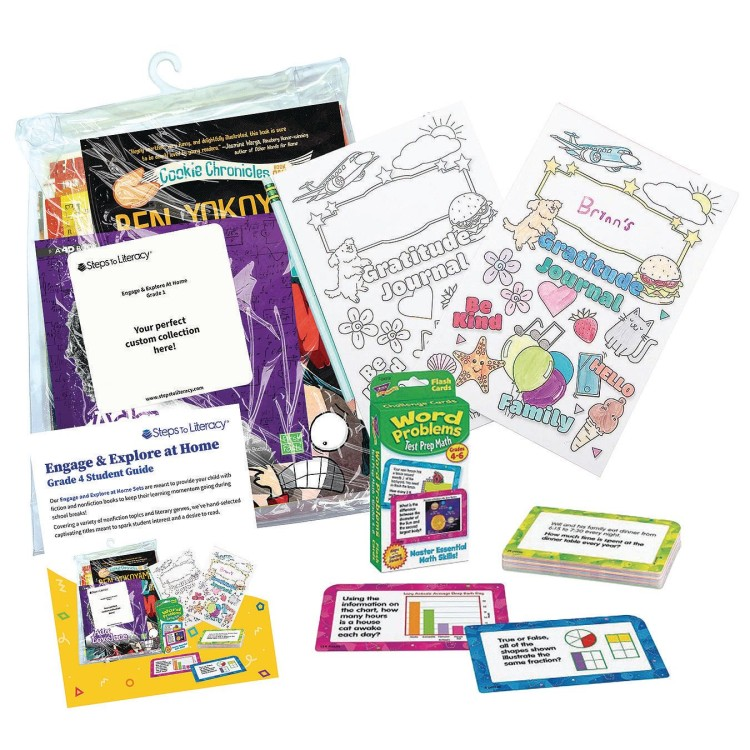
Each grade-level bag includes:
- High-interest books (both fiction and nonfiction) to spark curiosity and strengthen literacy
- Activity pamphlets with questions and prompts that reinforce key skills in fun, approachable ways
- Family engagement tips like those outlined in this blog, helping parents feel confident supporting learning at home
- A hands-on manipulative to make learning fun
- A student journal for reflection, creativity, and goal setting
By providing families with these turnkey resources, schools ensure that winter break becomes not just time off, but a meaningful opportunity for continued growth, curiosity, and family connection.
Leave a Reply