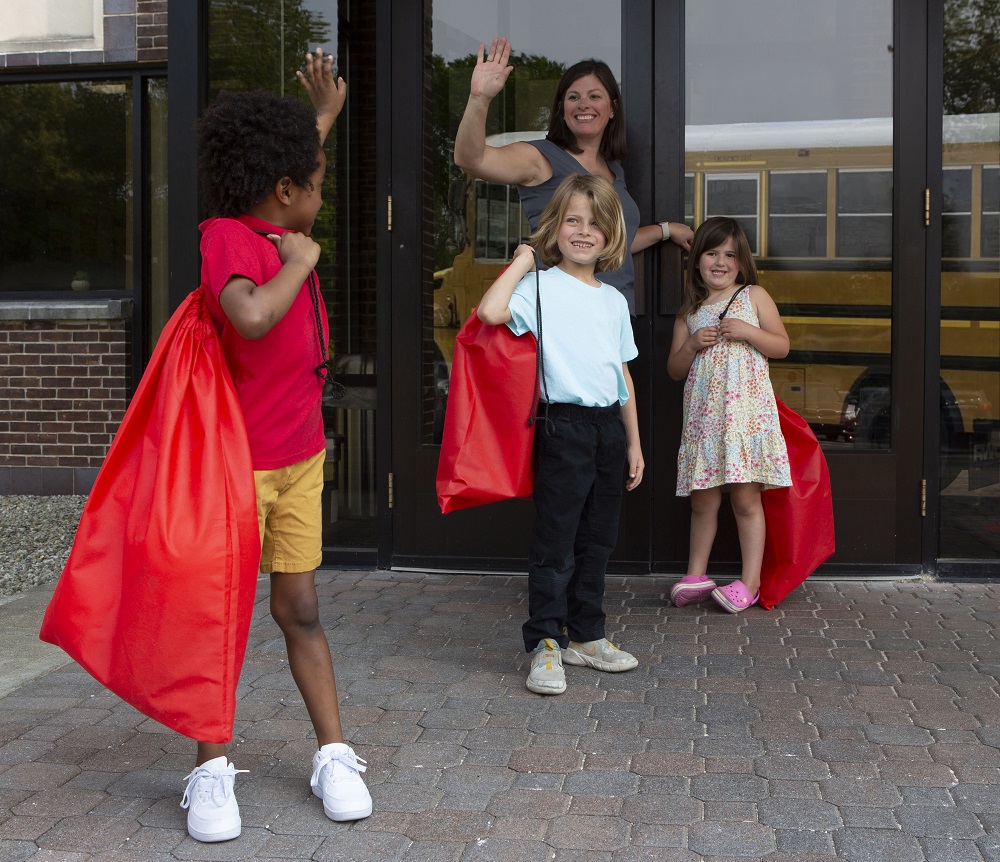
Summer break presents a unique challenge for districts committed to family engagement. While there is good intention behind sending learning materials home, the reality doesn’t translate to actual use. Families are juggling the same work schedules they had during the school year, now with the added complexity of children at home full-time. The last thing they need is another obligation that feels like extending the school day into their living rooms.
Traditional approaches to summer learning like worksheets, structured lesson plans, and materials that require parent training, tend to gather dust. Not for the lack of care or interest, but rather, these resources demand time, energy, and confidence that many families simply don’t have during the summer months.
What Families Actually Need
The gap between what districts send home and what families actually use comes down to fit. Families need activities that blend naturally into daily routines. They need options that are short, flexible, and easy to fit in between errands, outdoor play, or a quiet afternoon at home.
Clear, simple directions are also essential. When parents are asked to interpret complex instructions or worry about whether they’re “doing it right,” engagement drops quickly. The learning curve becomes a barrier instead of an invitation.
The Research Behind the Shift
Recent findings from the RAND Corporation reinforce what many district leaders are seeing firsthand: while summer investments continue, sustainability and participation remain ongoing challenges. Districts want to support students over the summer, but they’re seeking approaches families will actually embrace.
This is where enrichment-based learning stands apart. Unlike remediation, which can feel like “catching up,” enrichment focuses on engagement, confidence, and connection. When learning feels like play, children return to it willingly not because they have to, but because they enjoy it.
Why Family Engagement Bags Are Gaining Ground
Family engagement bags reflect a meaningful shift in how districts approach summer learning. Instead of positioning families as home educators, these materials treat them as facilitators of shared experiences.
What makes them effective:
- Plug-and-play convenience. Families can open the bag and begin immediately. There’s no lengthy setup, no need to gather extra materials, and no guesswork about what comes next
- Activity-based design. Games, challenges, and hands-on experiences replace worksheets, bringing movement and enjoyment without the weight of formal instruction
- Parent-friendly approach. With no prep work, training, or performance pressure, families feel capable rather than overwhelmed. Parents are asked to become participants rather than teachers
- Confidence-building structure. When there’s no concern about implementing activities “correctly,” participation feels natural and relaxed, turning learning into genuine family time

The Budget Case for Grade-Banded Design
Beyond their instructional impact, grade-banded enrichment bags make practical financial sense, especially for districts working with tight or unpredictable budgets. This is because their value doesn’t stop after one summer or even one school year.
Grade-banded designs mean the same materials can work for students across multiple grade levels. Think of them as flexible resources rather than one-and-done purchases. Instead of becoming outdated after a few months, these bags stay relevant as students move through different stages of learning.
What makes these bags particularly valuable is how students actually use them. The hands-on activities and games inside are engaging enough that kids can come back to them again and again. Each time a child returns to an activity, they’re strengthening essential skills. This kind of repetition isn’t boring or redundant; it’s how learning sticks.
These materials also work beautifully in homes with multiple children. Siblings can share the same bag, which means one resource can support several learners, sometimes even at very different developmental stages. That shared use stretches your investment even further.
Unlike workbooks that get used up or packets that serve their purpose once, activity-based materials hold their value over time. There’s no need to replace them every year, which cuts down on recurring expenses and, at the same time, reduces waste. Districts can make smarter funding decisions, knowing their investment will keep paying off year after year.
For districts looking for summer learning solutions that are both fiscally responsible and educationally meaningful, the reusability and durability of grade-banded enrichment bags offer a smart path forward.
See Family Engagement Take-Home Bags in Action
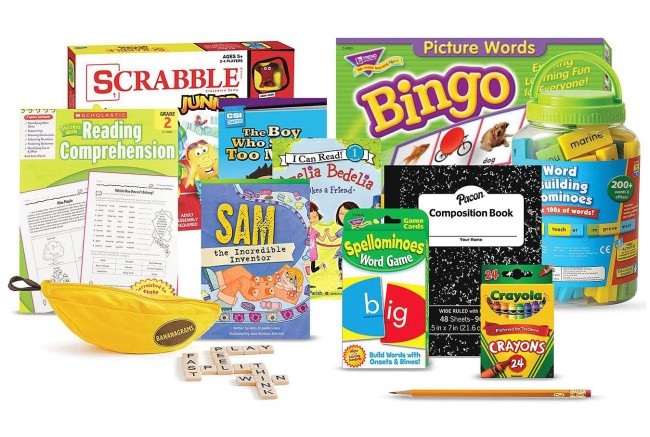
To support this approach, we offer curated Family Engagement Take-Home Bags designed for plug-and-play summer learning. Each bag includes hands-on, activity-based materials with clear directions, making it easy for families to get started right away, without prep or pressure.
Learn More about Family Engagement Take-Home Bags →
Enrichment as a Bridge
When learning materials feel natural and enjoyable, something important happens beyond the activity itself. The relationship between home and school strengthens, and children begin forming positive associations with learning.
Enrichment keeps curiosity alive. It encourages exploration and engagement without signaling “more school” to students who’ve just completed a full academic year. This approach recognizes that summer learning doesn’t need to look like school to be effective, and often, it’s more impactful when it doesn’t.
Supporting Families Without Adding Work
The most effective family engagement tools respect families’ time and capacity. They don’t require new roles, complicated routines, or added pressure.
When activities fit naturally into home life and feel like something families would choose to do, participation follows. The line between “school activities” and “family time” softens, and learning happens where families are already connecting.
Districts are finding that when families are given tools that are simple, flexible, and engaging, summer learning becomes something they want to do and not out of obligation, but because it adds value to the time they’re already spending together.
That shift, from obligation to opportunity, makes all the difference.