 Education
Why Summer Enrichment Programs Matter More Than Ever – How Districts Are Rethinking Summer Learning
Summer Learning
8 min read
Share

Share
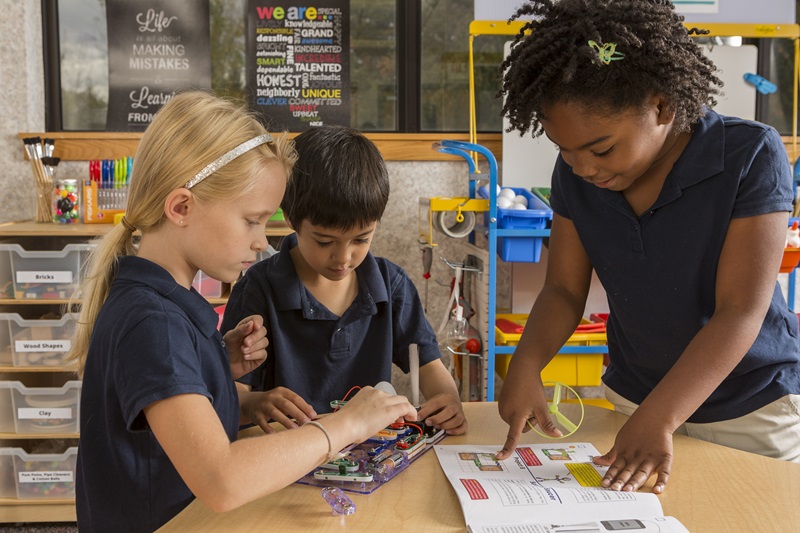
For generations, summer represented a clean break from the school year. It’s a season defined by rest, recreation, and distance from academic life. That perception, while understandable, no longer reflects the reality facing district and school leaders today. Summer has become one of the most consequential planning windows of the year, demanding thoughtful strategy, resource allocation, and a willingness to challenge long-held assumptions about what learning looks like outside the classroom.
While academic recovery continues to anchor many summer initiatives, the landscape is shifting. Districts nationwide are expanding their summer programming beyond traditional remediation to embrace enrichment-based models that drive participation, strengthen student well-being, and deepen the connection between students and their schools. The evidence is clear: engagement is not a supplementary goal but a prerequisite for effective summer learning.
Despite persistent funding uncertainties and logistical complexity, districts continue to invest meaningfully in summer learning programs. Well-designed summer programs have demonstrated consistent improvements in student outcomes, particularly in mathematics, while also contributing to broader developmental goals.
The benefits of effective summer programming reach across multiple domains. Research indicates that quality summer experiences:
These outcomes matter not only for the students served, but for the long-term health of the communities and school systems that support them.
Despite these advantages, participation and sustained engagement remain among the most persistent challenges facing summer programs. Districts operate within real and significant constraints: limited transportation options, seasonal staffing shortages, scheduling conflicts driven by family work obligations, and insufficient capacity to meet the full scope of student need. These barriers are not trivial, and they have prompted a fundamental rethinking of how summer learning is structured, delivered, and communicated to families.
In response to the participation challenges, districts are increasingly moving beyond remediation-only models to incorporate enrichment as a core component of summer programming. This shift is deliberate and data-informed. Enrichment programming has been shown to increase student attendance and engagement, reduce the burnout that often accompanies traditional summer school formats, and appeal to a broader cross-section of students and families than academic instruction alone.
District and superintendent-level leaders consistently identify enrichment as a vehicle for providing students with fun, meaningful experiences that also support mental and emotional well-being.
The practical implication for leadership is straightforward: enrichment does not dilute summer learning, it amplifies it. By making summer programs more inviting and relevant to students and their families, enrichment increases the likelihood that students will participate, persist, and ultimately benefit from the experience.
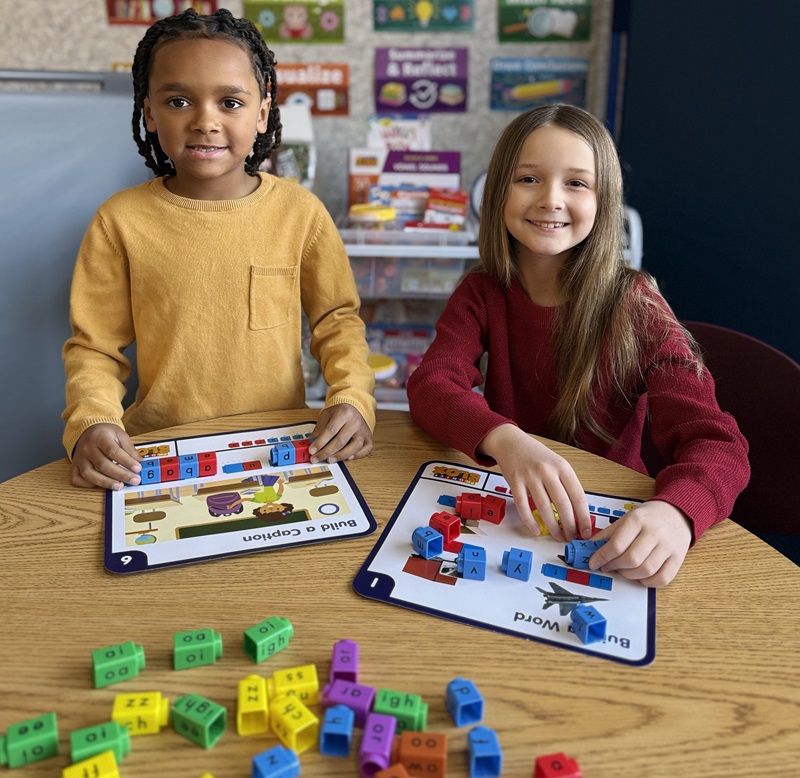
Research suggests that student engagement should be understood not as a secondary outcome of summer programming, but as its foundation. Programs students actively want to attend; those built around hands-on, interactive experiences, outperform traditional instruction-heavy models across nearly every measurable dimension. Students in engaging programs demonstrate higher participation rates, stronger persistence over the duration of the program, and more positive attitudes toward school when the academic year resumes.
To address participation barriers beyond the school day, many districts are also extending enrichment into the home. At-home summer learning solutions provide families with flexible, low-pressure ways to stay connected to learning when transportation, scheduling, or staffing limitations make in-person attendance difficult.
Take-home literacy initiatives, such as summer reading bags, help sustain reading engagement while reinforcing the school-home connection in a way that feels accessible rather than instructional.
For district leaders, this finding carries important strategic weight. Engagement is no longer a desirable feature of a well-run summer program, it is a necessary condition for the program to function. Enrichment activities are critical in sustaining learning momentum without placing undue reliance on direct instruction, creating a learning environment in which students remain motivated and connected throughout the summer months.

Modern summer programs are reflecting a more holistic understanding of what student development requires. The most effective enrichment initiatives move well beyond traditional academic content to incorporate a diverse range of experiences.
Common enrichment components now include:

Enrichment-inclusive summer programs have shown meaningful positive outcomes in the social-emotional domain. Students who participate in well-designed enrichment experiences demonstrate improvement in teamwork, self-regulation, and personal confidence. These outcomes position students to return to school not merely academically prepared, but socially and emotionally equipped to succeed.
For district leaders, this evidence should inform how summer programs are designed and evaluated. A summer program that addresses only academic readiness is leaving significant developmental opportunities on the table.
As summer programming scales in both scope and ambition, district leaders are placing a premium on solutions that reduce operational complexity while delivering measurable impact. The criteria guiding these decisions are clear and practical.
Effective summer enrichment solutions must be program-ready, meaning they can be implemented efficiently with seasonal or rotating staff and without requiring extensive onboarding or institutional infrastructure. They must be flexible enough to adapt across grade levels, program sites, and shifting schedules. They must be inherently engaging, designed to draw and sustain student participation rather than simply requiring it. They must also be budget-conscious, delivering meaningful value for districts, and aligned with broader district goals without imposing heavy customization demands on already stretched leadership teams.
Districts are increasingly recognizing that finding the right enrichment solution requires more than selecting individual products. It requires identifying partners who understand the realities of summer implementation and who can support districts in translating research-backed best practices into programs that actually work in the field.
This is why districts trust partners like S&S Worldwide in designing and delivering enrichment programming that is both student-centered and operationally sustainable.
At S&S Worldwide, we support districts through hands-on, activity-based resources specifically designed to promote student engagement across academic, creative, physical, and social-emotional domains. We offer grade-banded solutions to simplify planning and coordination, reducing the logistical burden on district and site-level staff.
Equally important, we bring expertise in program design, helping districts build balanced, student-centered summer experiences that align with both institutional goals and the developmental needs of the students they serve.

Across the country, districts that have invested in enrichment-inclusive summer programming share a number of common structural features. The most successful models incorporate daily enrichment rotations that cycle students through experiences in STEM, arts, physical movement, and literacy-based activities. Many feature themed programs that weave multiple content areas into a coherent, engaging narrative throughout the summer. Structured choice activities, those that offer students meaningful input into their own learning, appear frequently, reflecting a broader commitment to student voice and autonomy.
The most effective models position enrichment as a complement to academic instruction, designed to reinforce and deepen learning, creating a summer experience that feels cohesive rather than fragmented. Districts that have adopted this approach report stronger outcomes, higher attendance, and greater family engagement than those that rely on academic programming alone.
Summer learning programs are evolving and the direction is clear. Enrichment is no longer a peripheral feature of well-run summer programs. It is a central driver of participation, equity, and long-term program sustainability. Districts that prioritize engaging, thoughtfully designed enrichment experiences are seeing stronger academic outcomes, higher attendance rates, and deeper buy-in from families and communities alike.
The most effective summer learning programs of today do not simply fill time between academic years. They spark curiosity, build confidence, and keep students meaningfully connected to their schools and to the act of learning itself. For district and school leaders navigating the complexities of summer planning, investing in enrichment is not an add-on but a strategic imperative. S&S Worldwide is proud to partner with districts as they continue to reimagine what summer learning can and should be.

➜ Explore our complete collection of summer enrichment solutions and discover resources designed to support students, staff, and families throughout the summer months.

For a young child, an ordinary cardboard box can become a fire truck racing off to an emergency, while a simple wooden block turns into a telephone for an important call. In an instant, the scene changes. The child is now the chef of a bustling restaurant, taking dinner orders, preparing imaginary meals, and making […]

What if a craft didn’t stop being fun once the paint dried? Our Flexible Wooden Animal Craft Kits combine creativity with movement, giving kids a project they can decorate, bend, wiggle, slither, and play with long after craft time is over. Made from cleverly notched wood, these animals bend and flex with simple movements of […]
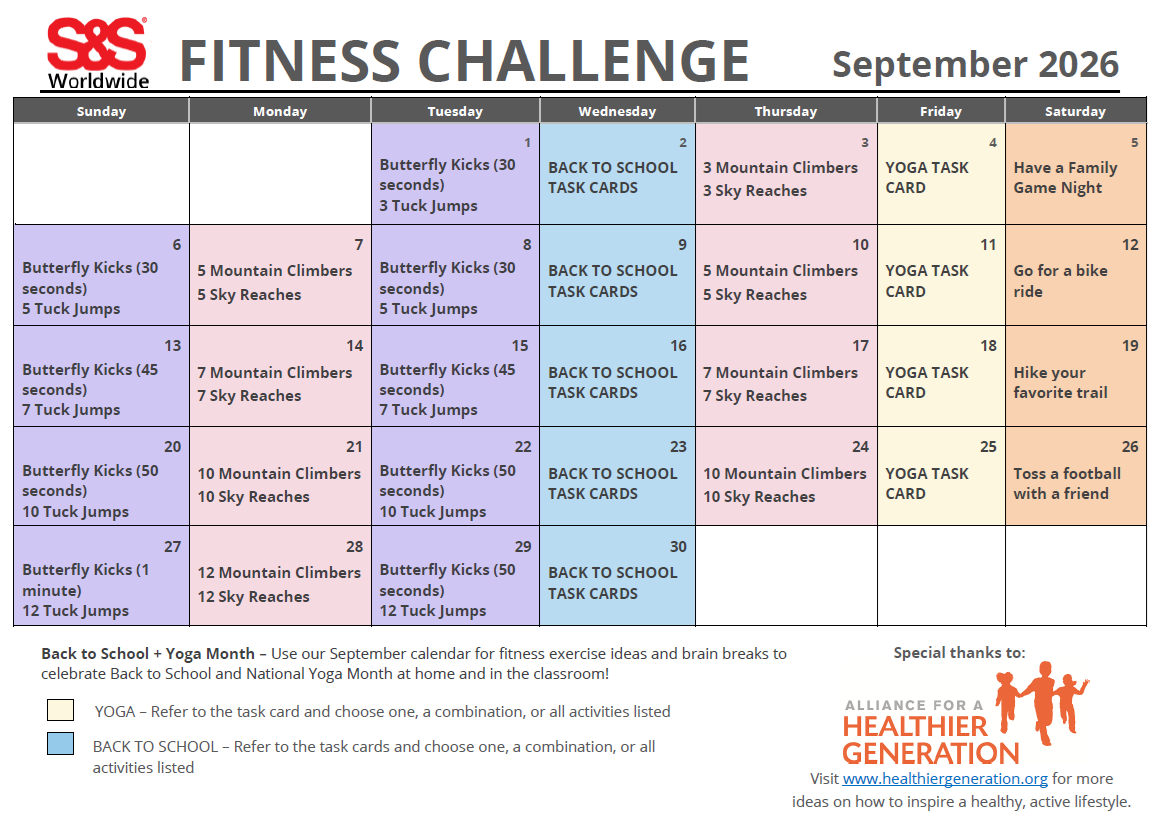
September Fitness Challenge Calendar 2026 Back to School is just around the corner, and our printable calendar is a great resource that teachers can share with students in the classroom. It can also be shared with parents to encourage their kids to stay active at home during the school year. We teamed up with the Alliance […]

Think about the last time a song instantly brought you back to a summer road trip, or the smell of fresh-baked cookies reminded you of your grandmother’s kitchen. That’s your brain at work, weaving together senses and memory in ways that stick. The same principle applies to learning to read. Our brains are constantly growing and changing. Every new […]
Are you an educator, program leader, or creative thinker with ideas to share? We’re always looking for passionate contributors to help inspire our community. Whether it’s a lesson plan, activity idea, success story, or helpful tip — your voice can make a difference.
Interested in contributing? Email us at [email protected] to get started.
Leave a Reply