When we talk about kindergarten readiness, the conversation often starts and ends with letters and numbers.
Can children recite the alphabet? Can they count to 20? Can they write their name?
While those skills matter, most kindergarten teachers will tell you they’re only a small part of the picture.
True readiness is about much more than academics. It’s also about confidence to be with new peers, curiosity to explore, comfort in a classroom, and a child’s ability to engage with learning in a joyful, meaningful way.
This is something that high-quality Pre-K programs understand. Their purpose isn’t simply to prepare children for the next grade but to build the academic, social-emotional, and behavioral foundations that set students up for long-term success in school.
What Teachers Actually Look for on Day One
Ask a kindergarten teacher what they hope to see when students walk into the classroom for the first time, and the answers tend to sound surprisingly similar. They’re hoping for children who can:
- Participate in group activities
- Follow simple routines and directions
- Explore books without hesitation
- Try new tasks, even if they don’t get them right the first time
Of course, early exposure to letters, sounds, numbers, and patterns helps. But what matters just as much is how children have encountered those skills. When learning has been playful, hands-on, and positive, children arrive more willing to engage and more confident in their abilities. That confidence becomes the foundation for everything that follows.
Why Play-Based Learning Builds Stronger Foundations
In early childhood education, play isn’t a break from learning but the engine behind it.
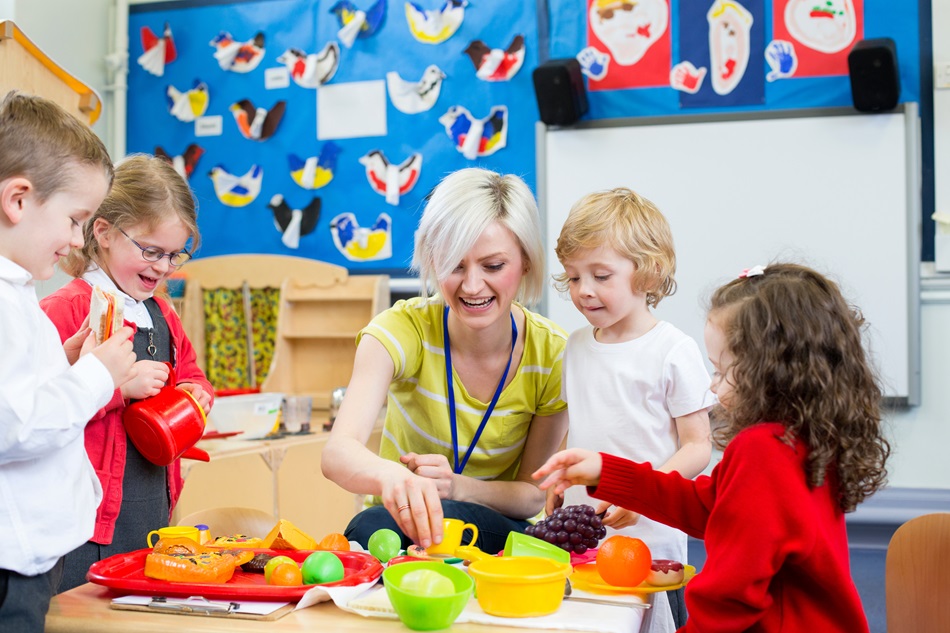
This is because hands-on activities, games, manipulatives, music, and movement allow young learners to:
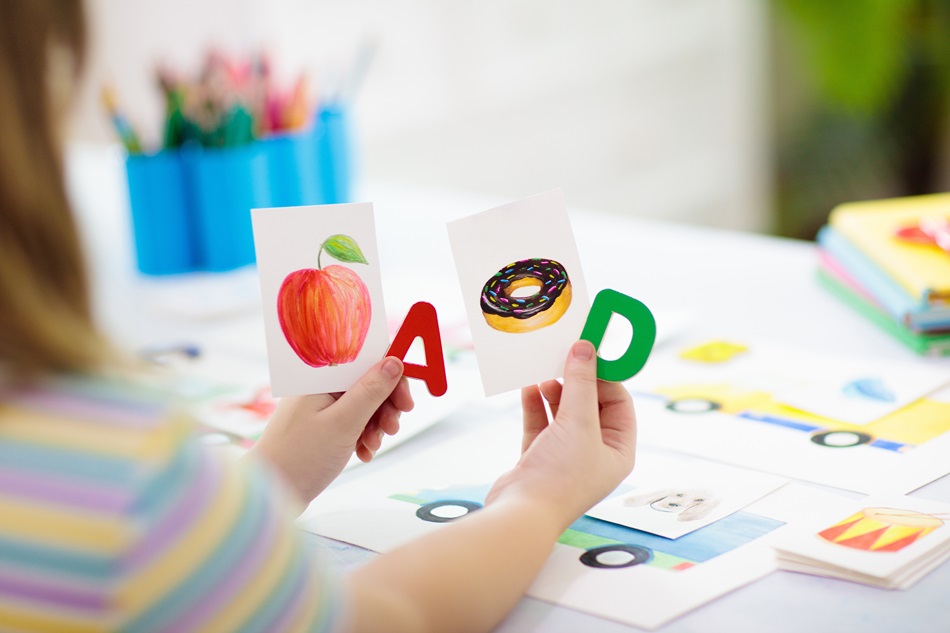
- Practice phonics and word recognition naturally
- Build early math understanding through counting, sorting, and patterning
- Develop problem-solving and critical-thinking skills
- Strengthen focus, memory, and self-regulation
Research shows that children learn best when experiences are engaging, developmentally appropriate, and connected to real exploration. When children are actively involved, they’re not just memorizing skills. They’re internalizing them.
This is especially important before kindergarten, when learning should still feel exciting and not intimidating. High-quality readiness programs reflect this reality.
What Defines a Strong Kindergarten Readiness Program?
Whether implemented during the school year or as part of a summer bridge initiative, effective readiness programs share several core characteristics.
Balanced domain coverage.
Children need opportunities to grow across language and literacy, early math, social-emotional development, physical skills, and approaches to learning like focus and persistence.
Standards alignment.
Strong readiness initiatives connect to state early learning standards, kindergarten entry benchmarks, and district transition goals to ensure continuity from Pre-K into K–2 instruction.
Developmentally appropriate, play-based instruction.
Guided play, multi-sensory activities, and movement-integrated learning support deeper engagement and retention.
Instructional structure and consistency.
Clear scope and sequence, predictable routines, and consistent pacing help children feel secure while supporting implementation across classrooms.
Ease of implementation.
Programs are most successful when materials reduce planning time, provide clear guidance, and can scale across multiple classrooms or sites.
When these elements come together, readiness programming becomes intentional and transitions into kindergarten feel smoother for both students and teachers.
A Thoughtful Approach to Building Readiness
For programs looking to strengthen transition-to-kindergarten efforts, the most effective solutions are those that combine strong instructional design with practical implementation support.
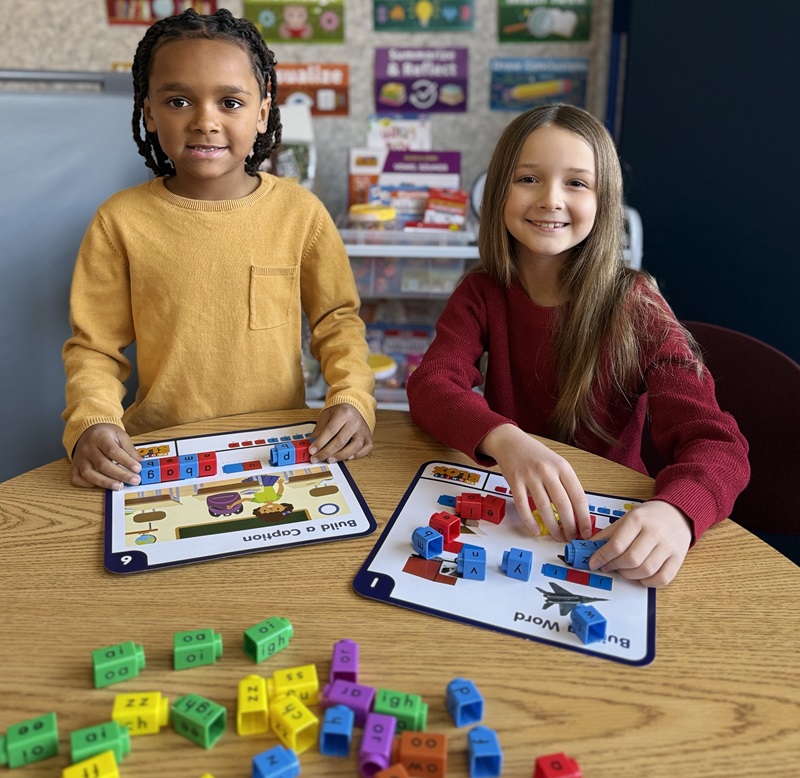
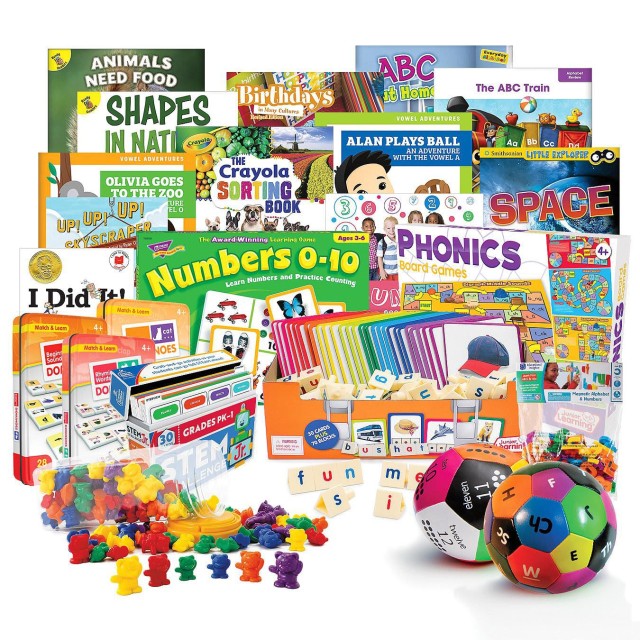
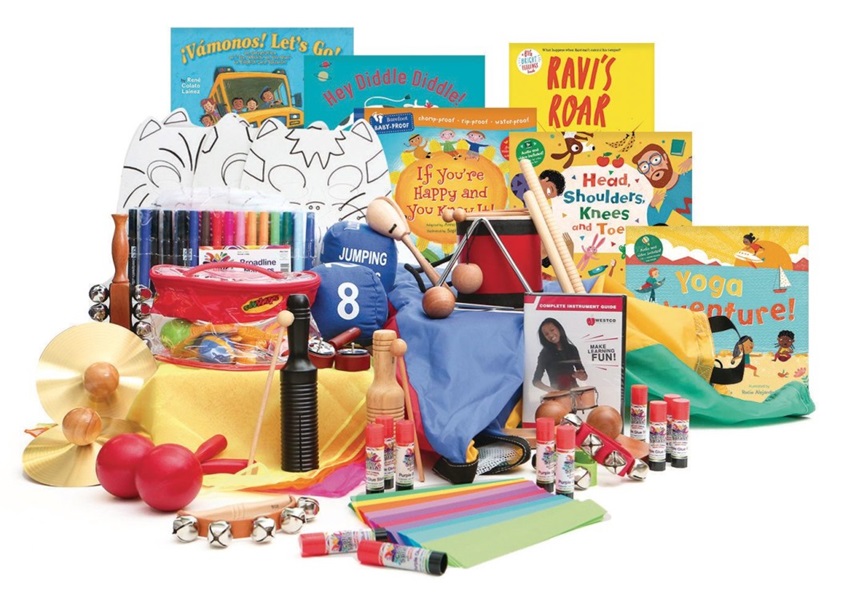
Comprehensive readiness resources, like S&S Worldwide’s Jumpstart to Kindergarten Kits, are designed around best practices in early learning and transition programming. By bringing together curated book collections, hands-on academic activities, and music- and movement-based social-emotional supports, they help programs address readiness across developmental domains.
Jumpstart to Kindergarten: Academic Readiness Kit
Jumpstart to Kindergarten: Music, Movement, & Mindfulness Readiness Kit
When used together as a bundled approach, these types of resources can support:
- Language, literacy, and early math development
- Social-emotional learning and self-regulation
- Physical and motor readiness
- Play-based, multi-sensory instruction
- Consistent routines and instructional pacing
They also provide educators with ready-to-use materials and guidance, reducing planning time and making it easier to deliver consistent experiences across classrooms or summer sites.
While especially effective for summer bridge programs, these tools can also support center rotations, small-group instruction, transition blocks, and new-student onboarding throughout the year, maximizing their impact beyond a single season.
Preparing Children to Thrive, Not Just Keep Up
Kindergarten readiness isn’t about checking boxes. It’s about setting children up to thrive in a new environment filled with routines, expectations, and opportunities for growth.
When learning feels engaging and supportive, children develop confidence. When confidence grows, participation follows. And when children feel successful early on, they’re more likely to see themselves as learners, something that matters far beyond the first year of school.
As districts and educators rethink summer programming and early learning transitions, the goal remains the same: help children walk into kindergarten ready to learn, ready to explore, and ready to believe in themselves.
Programs that blend play, structure, and research-based practices help make that possible one confident learner at a time.