Picture this: It is 10 a.m., and a third-grade classroom is struggling. Students are fidgety, off-task, and increasingly difficult to redirect. The teacher, already stretched thin, pushes through the lesson, skipping the scheduled 20-minute recess to make up time. Behavior worsens. Attention fades. By noon, everyone is exhausted.
Sound familiar?
Schools across the country are caught in a frustrating cycle. Behavior challenges are rising, focus is slipping, and there is constant pressure to fit more academics into every hour. The instinct is to cut what feels like downtime, and recess is often the first to go.
But what if the solution to your classroom’s biggest challenges was more recess, not less?
What the Research Actually Says
The 2026 guidance from the American Academy of Pediatrics is clear: Recess is not a reward, a privilege, or filler. It is a core component of healthy child development and academic readiness.
Research consistently shows that recess improves:
- Cognitive performance and focus
- Memory retention
- Social skill development
- Emotional regulation
The AAP recommends at least 20 minutes of recess daily, ideally spread across multiple breaks. It also emphasizes that recess should never be withheld as punishment.
There is a simple neurological reason behind this. The brain is not designed for sustained mental effort without recovery. When children move from one block of instruction to the next without a break, learning efficiency declines. Breaks are not interruptions to learning. They are part of the learning process itself.
Why Recess Improves Academic Performance
1) Cognitive Reset Leads to Better Focus
Sustained mental effort depletes attention. Recess gives students the reset they need to reengage. Students who have regular breaks return to the classroom more attentive, more productive, and better able to follow instruction. Recess prepares the brain for learning.
2) Play Strengthens Memory Retention
Unstructured play gives the brain time to process and store new information. It acts as a natural pause that allows learning to settle. Without that window, much of what is taught is easily forgotten. With it, students retain more and recall more.
3) Movement Fuels Engagement
Fatigue and burnout affect young learners just as much as adults. Movement and play help reduce both. After recess, students are more willing to participate, contribute, and take academic risks. Engagement rises when students are not mentally and physically drained.
 Recess and Behavior: The Missing Link
One of the most important and often overlooked findings is that removing recess to address behavior often makes behavior worse.
This is because recess supports self-regulation and stress management. It gives students a chance to release physical energy, navigate social interactions, and reset emotionally. Without that outlet, tension builds and shows up as disruption in the classroom.
Students who have consistent access to recess are better able to manage impulses, resolve conflicts, and stay engaged during instruction.
Recess as a Driver of Social-Emotional Learning
The playground is one of the most powerful social-emotional learning environments in a school, and it requires no additional curriculum.
During free play, students practice:
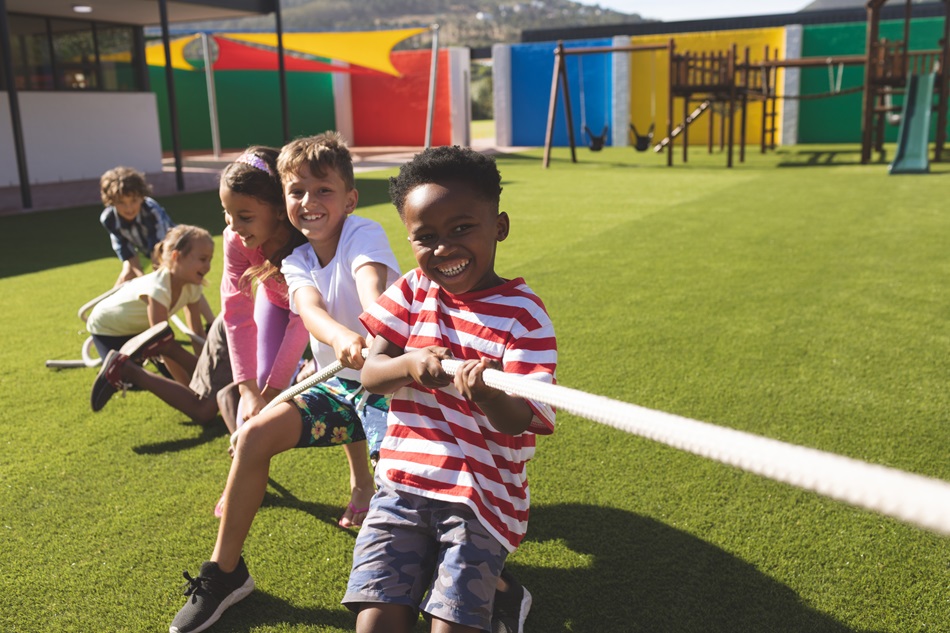
- Cooperation through shared goals
- Conflict resolution in real time
- Communication through negotiation and expression
- Self-control while managing frustration and taking turns
- Problem-solving as they create and adapt games
These are the same skills that shape classroom climate and academic success. A student who learns to navigate conflict during play is better prepared to collaborate during group work.
The Equity Issue: Who Is Losing Recess?
Recess time has declined in many schools over the past two decades. It is often reduced due to testing pressure, academic demands, and limited staffing. These reductions are not evenly distributed.
Older elementary students, students in lower-income communities, and those in high-pressure academic settings are more likely to lose access to recess. The students who may benefit from it the most are often the ones who receive it the least.
This is not only an instructional issue. It is an equity issue.
What Effective Recess Actually Looks Like
Not all recess delivers the same benefits. A disorganized or exclusionary environment limits its impact. High-quality recess is intentional. It is:
- Safe and actively supervised
- Inclusive and accessible for all students
- Balanced between free play and optional structured activities
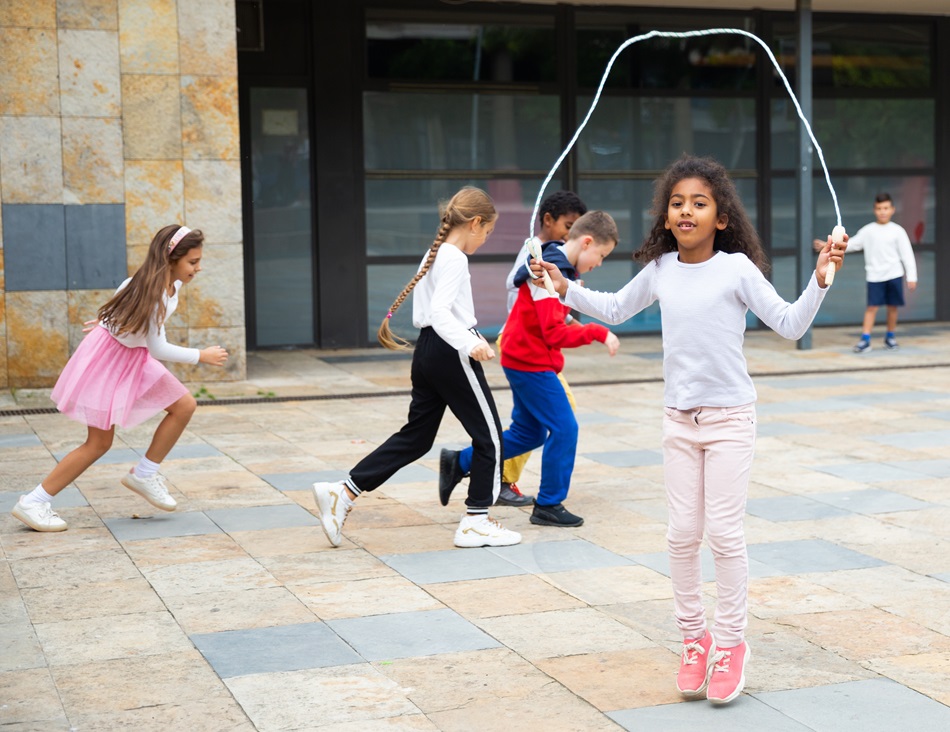
- Supported with simple equipment such as balls, jump ropes, chalk, and hoops
- Designed to allow enough space for movement and choice
When these elements are in place, recess becomes a powerful extension of the school day rather than a break from it.
Practical Strategies Schools Can Implement
Improving recess does not require a large investment. Small, thoughtful changes can have a meaningful impact.
Schools can:
- Rotate playground zones to reduce congestion and conflict
- Provide simple, low-cost equipment to encourage active play
- Train recess aides to facilitate play, not just supervise
- Offer indoor recess options for weather or sensory needs
- Design inclusive play opportunities that do not depend on athletic ability
- Schedule recess before lunch to support better behavior and reduce food waste
These shifts are practical, scalable, and effective.
Bringing It All Together
Knowing that recess matters is one thing. Implementing it well is another. It takes intention, planning, and a shared commitment across your school.
But the return is hard to ignore.
When recess is protected and designed with purpose, classrooms become more focused, behavior improves, and students are more ready to learn. Teachers could spend less time redirecting and more time teaching. The school climate becomes more positive and more productive.
The question is no longer whether schools can afford to make time for recess. It is whether they can afford not to.
Recess works best when it’s intentional. Download our free Recess Planning Guide for practical ideas, equipment recommendations, and simple strategies to help create active, inclusive, and engaging recess experiences that support student learning and well-being.