Children are naturally curious. They ask questions, explore their surroundings, and discover new ideas every day. The goal isn’t to push more information, but to nurture curiosity, confidence, and joy in discovery.
Whether you’re a classroom teacher, afterschool program leader, camp director, or planning a family engagement event, creating opportunities for hands-on learning can help children stay engaged while building skills they’ll use far beyond the classroom.
A Quick Snapshot Before We Dive In
- Children stay engaged when learning feels relevant and hands-on.
- Curiosity thrives in low-pressure environments.
- Variety through play, movement, creativity, and exploration keeps learning fresh.
- Educators who model curiosity help create environments where learning feels exciting and approachable.
- The right tools, like games, crafts, manipulatives, STEM activities, and physical play, can reinforce learning naturally.
Why Kids Lose Interest – and How to Reverse It
Many children begin their educational journey eager to learn, but that enthusiasm can fade when learning becomes repetitive, overly structured, or focused primarily on grades and performance.
One of the simplest ways to re-engage learners is to shift learning from something they have to do into something they get to explore.
The key is simple: curiosity needs oxygen. Remove pressure, add exploration.
When children are encouraged to ask questions, experiment, solve problems, and collaborate with others, learning becomes self-driven instead of forced.
Five Simple Ways to Spark Curiosity Every Day
1) Ask More Questions Than You Answer
Open-ended questions encourage children to think critically and develop confidence in their own ideas.
Instead of immediately providing the answer, try asking:
- Why do you think that happened?
- What do you notice?
- How could we solve this another way?
- What do you think would happen if…?
Giving students time to think often leads to deeper learning than simply providing the solution.
2) Let Children Learn by Doing
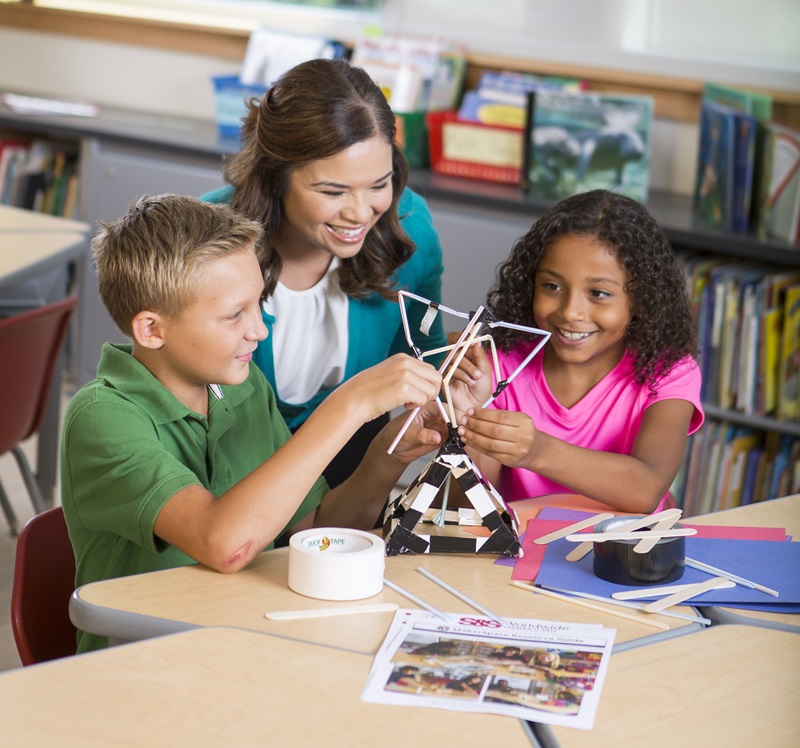
Some of the best learning happens when children can build, create, test, and explore on their own.
Hands-on activities help students make meaningful connections while developing problem-solving and critical thinking skills.
Whether students are building with classroom manipulatives, completing STEM challenges, or creating art projects, learning becomes more memorable when they actively participate.
For younger learners, hands-on manipulatives like building sets and sorting activities encourage problem-solving while making abstract concepts easier to understand. These types of open-ended resources can be used during independent centers, small group instruction, or enrichment activities.
Helpful Resources:
3) Keep Learning Active
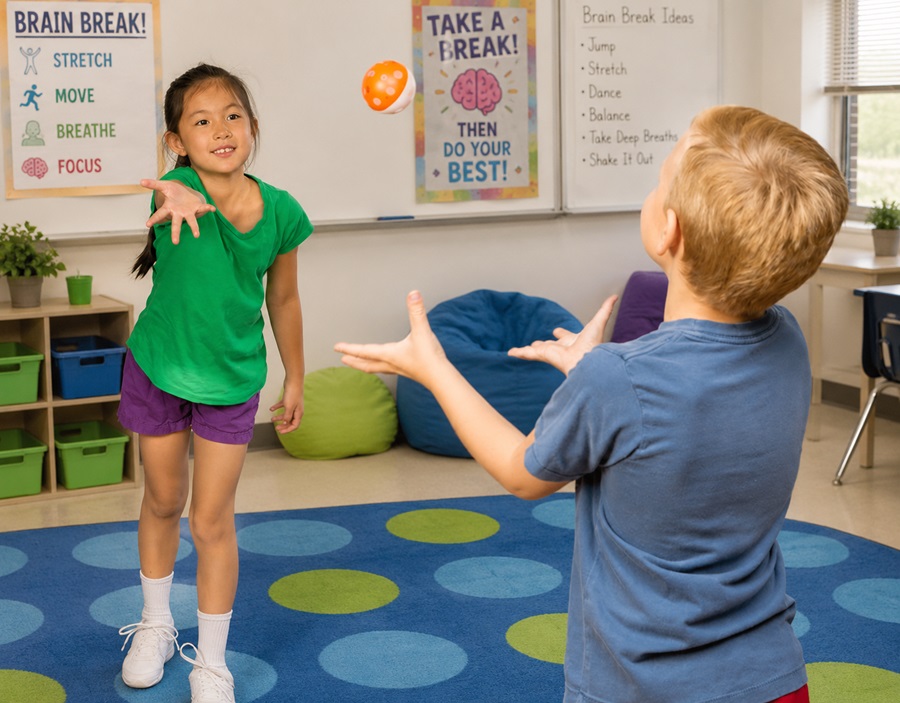
Movement isn’t just for recess or PE class – it can strengthen learning throughout the day.
Try incorporating:
- Movement breaks between lessons
- Math relay races
- Vocabulary scavenger hunts
- Cooperative team challenges
- Outdoor learning activities
Physical activity keeps students engaged while supporting focus, collaboration, and cognitive development.
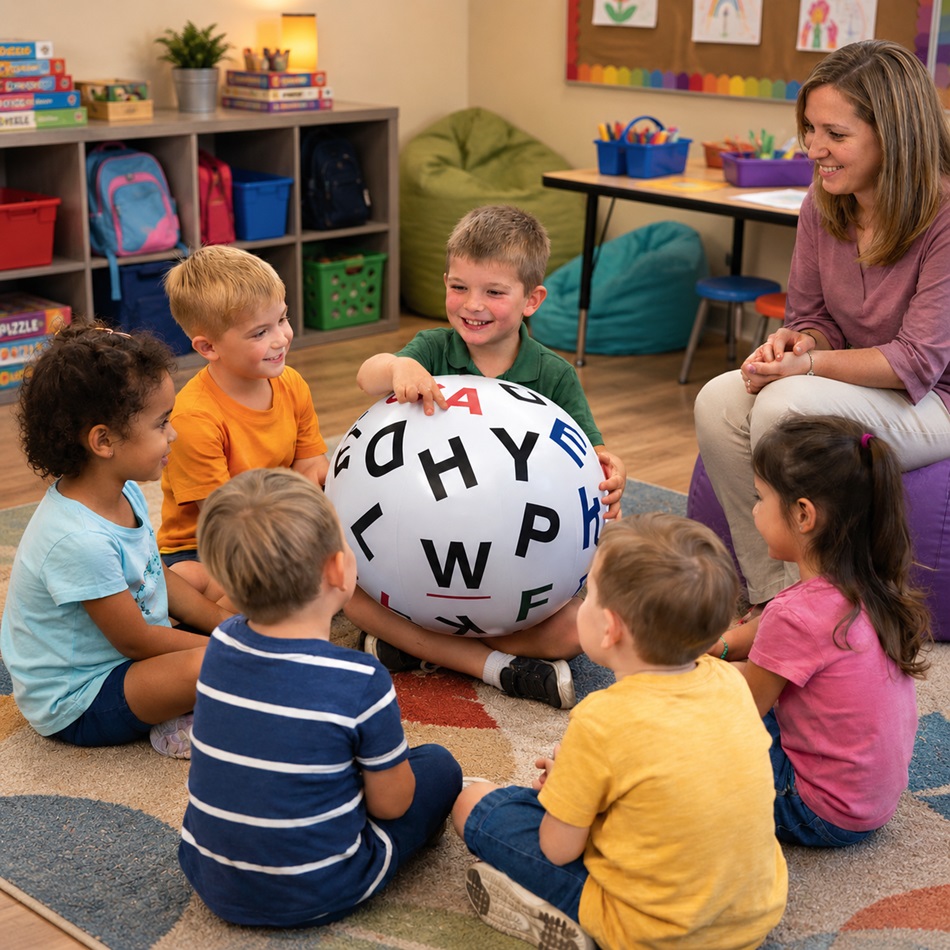
Simple equipment such as Gator Skin® balls, jump ropes, and movement activities can reinforce teamwork while giving students meaningful opportunities to learn through play.
Helpful Resources:
4) Encourage Creativity
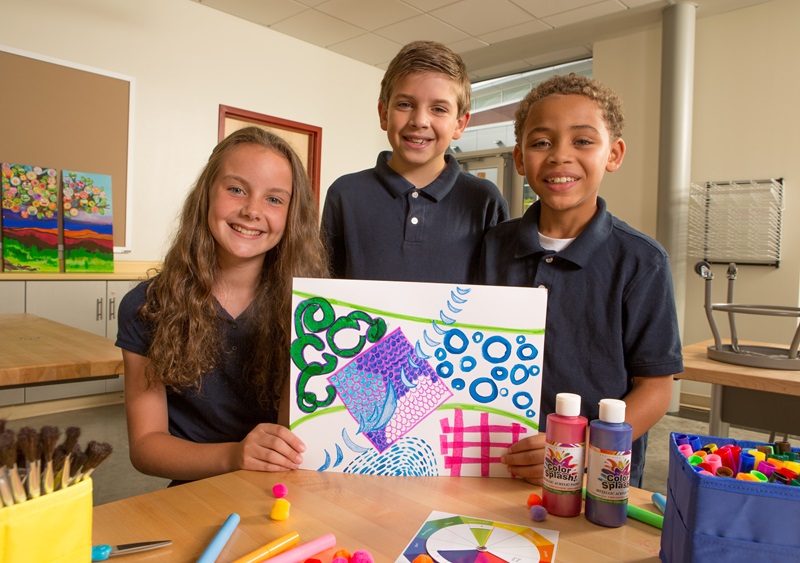
Creativity allows children to express ideas, experiment, and build confidence without worrying about finding one “right” answer.
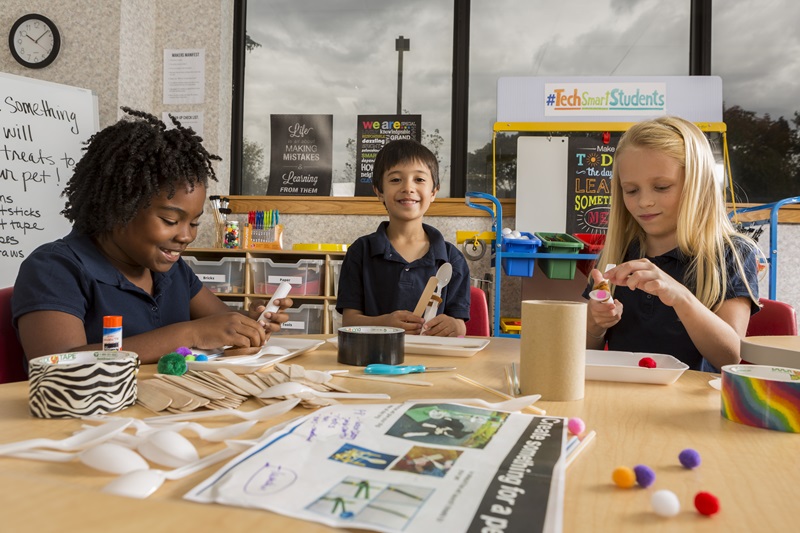
Craft projects encourage imagination while strengthening communication and fine motor skills. Providing a variety of creative opportunities throughout the year helps keep learning fresh and engaging.
Open-ended art projects also encourage children to make choices, solve problems, and express themselves creatively. Activities like Color-Me™ crafts, painting projects, and educational crafts can easily be incorporated into classrooms, afterschool programs, or family engagement events.
Helpful Resources:
5) Mix Up Learning Experiences
Children rarely learn through just one approach.
Mixing visual, hands-on, movement-based, and collaborative activities keeps learning dynamic while helping students stay engaged.
| Learning Experience | Example Activities |
| Visual | Art projects, graphic organizers, drawing |
| Hands-On | Manipulatives, STEM building challenges |
| Active | PE games, movement breaks, scavenger hunts |
| Collaborative | Educational games, partner activities, team challenges |
Offering a variety of experiences helps every learner find opportunities to succeed.
A Practical Engagement Checklist
Use this as a weekly reset when planning lessons, enrichment activities, or afterschool programming.
✔ Did students explore something new this week?
✔ Did they participate in at least one hands-on activity?
✔ Were students encouraged to ask questions before being given answers?
✔ Did they collaborate with classmates or teammates?
✔ Did learning include creativity, movement, or play?
If you can consistently answer “yes” to three to five of these questions, you’re creating an environment where curiosity can thrive.
Choosing Tools That Make Learning Feel Like Play
Sometimes, the right materials make all the difference. Interactive resources can bridge the gap between education and fun by encouraging children to build, experiment, create, and collaborate.
Open-ended manipulatives help develop critical thinking and problem-solving skills. Arts and crafts supplies encourage creativity and self-expression. Educational games reinforce communication, teamwork, and strategic thinking, while physical education equipment helps students stay active and engaged.
The goal isn’t to buy more. It’s to choose tools that invite exploration.
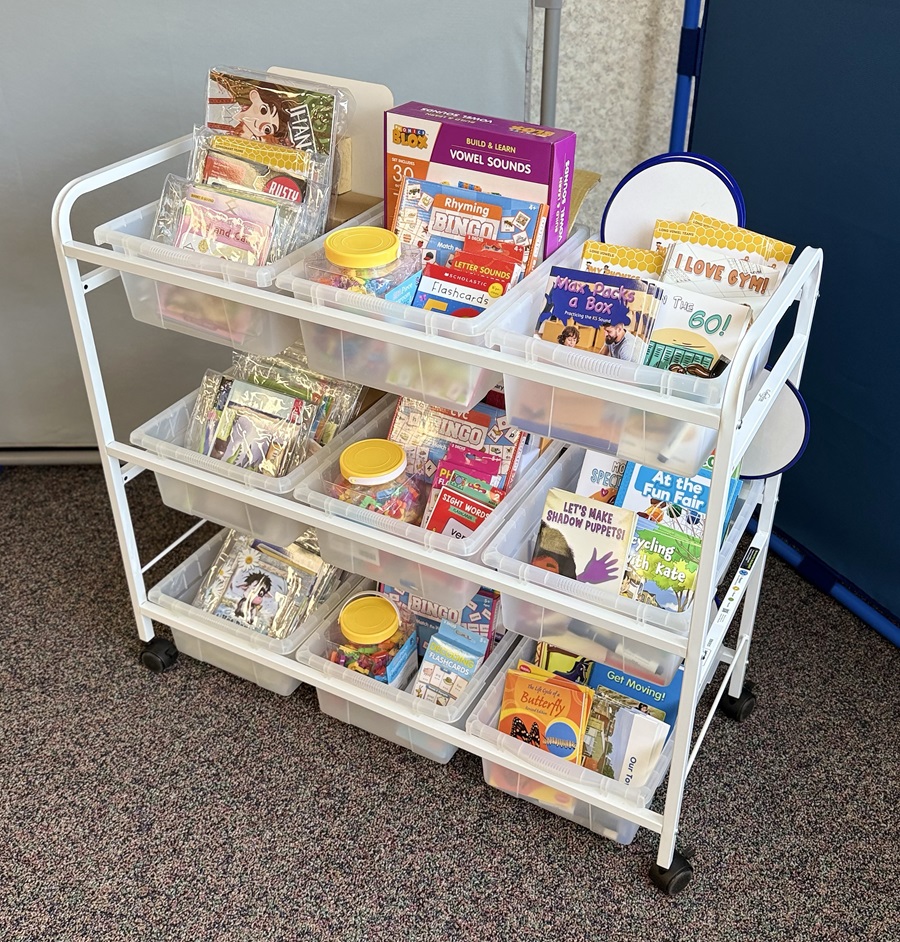
Sometimes, the biggest challenge isn’t coming up with engaging activities, it’s finding the time to prepare them. Ready-to-use solutions, like S&S Learn & Go™ Carts, help simplify planning by bringing together thoughtfully selected materials and activities in one place, making it easier to create hands-on learning experiences that spark curiosity and keep children engaged.
Creating a Culture of Curiosity
Children notice what adults do more than what they say.
When educators demonstrate curiosity, try new activities, encourage exploration, and celebrate creative thinking, they help students see learning as something enjoyable rather than something to fear.
Small change like asking more questions, incorporating movement, offering hands-on experiences, and giving students opportunities to explore can make a lasting impact.
Keeping the love of learning alive isn’t about doing more, it’s about doing things differently. Focus on curiosity, variety, creativity, and real-world exploration. Over time, those experiences help children build confidence, strengthen critical thinking skills, and discover that learning can be an adventure.
References and Additional Resources:
- Brains & Motion
- My Teaching Cupboard
- Food Science – Youth Resources
- Wired – Podcasts for Kids
- American Academy of Pediatrics
About the Supporting Author:
Carrie Spencer created The Spencers Adventures to share her family’s homesteading adventures. On the site, she shares tips on living self-sufficiently, fruit and vegetable gardening, parenting, conservation, and more. She and her wife have 3 kids, 2 dogs, 4 cats, 3 goats, 32 chickens, and a whole bunch of bees. Their goal is to live as self-sufficiently and environmentally-consciously as possible.