 Arts & Crafts
From Sensory Play to Student Safety: Why Gluten-Free Options Matter
Education
5 min read
Share

Share
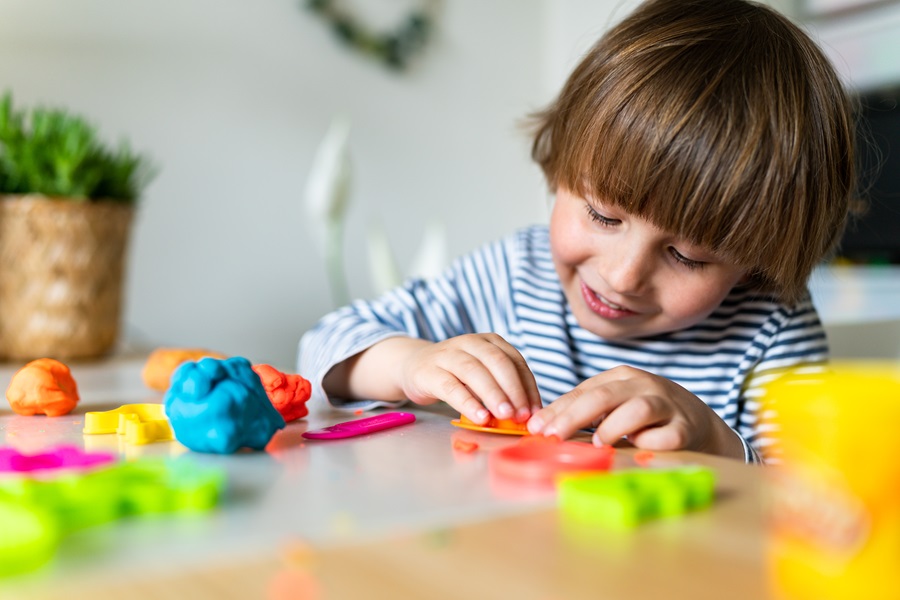
Sensory play is a cornerstone of early childhood development. From squeezing and molding to stretching and exploring, these hands-on activities build fine motor skills, spark creativity, and help children develop self-regulation, making them a staple in classrooms, therapy programs, and special education settings alike.
But as sensory play becomes more widely embraced, an important question deserves closer attention: are we being thorough enough about what these materials are made of?
With approximately 1 in 13 children in the U.S. affected by food allergies, safety in shared environments has never been more critical. Many of the most popular sensory materials like play doughs and modeling compounds contain gluten and other common allergens that often go unnoticed on ingredient labels, if they’re even listed at all.
While the benefits of sensory play are well-established, not all materials are designed with every child in mind. For educators, therapists, and caregivers, understanding what’s in these products is a responsibility.
Most people don’t think twice about what’s in play dough but the truth is, traditional formulas are almost always wheat-based, meaning gluten is a core ingredient. In a home setting, that might be manageable. In a shared environment, it becomes a different story.
In classrooms, therapy rooms, and recreational programs, materials are passed around and go through many hands. Surfaces are not always thoroughly cleaned between sessions, and young children, by nature, might bring their hands to their mouths during play. It’s not carelessness; it’s just how children engage with the world around them.
What seems like a harmless activity can quietly create unintended exposure. And for children with gluten-related conditions, any exposure can have real consequences.
According to the Celiac Disease Foundation, approximately 1 in 100 people have celiac disease, and up to 6% of the population may have non-celiac gluten sensitivity. What makes this especially important in shared settings is that an estimated 80–90% of individuals with celiac disease are undiagnosed, meaning a child may be affected without anyone knowing it yet.
In shared environments, exposure isn’t always visible or preventable. Even trace amounts of gluten can trigger a reaction in individuals with celiac disease, and contact during play is one of the easier routes for that exposure to occur.
This is not to say that sensory play is dangerous but that the materials we choose to use in our spaces matter. Educators and caregivers may be unknowingly creating risk without any intention of doing so. Safety isn’t just about good intentions; it’s about awareness, preparation, and making informed choices.

Inclusion should not just be a policy, but an intentional practice. It shows up in the materials on the table, the activities on the schedule, and the message every child receives about whether they belong in the room.
When a child can’t participate in a group activity because of what a material contains, that moment carries weight. It affects confidence, connection, and a child’s sense of belonging. Social-emotional learning happens through shared experiences, side by side.
Gluten-free materials eliminate the need for separate supplies or modified activities. Every child can engage at the same table, with the same tools, in the same experience. Removing that barrier doesn’t require redesigning your program, just thoughtfulness in choosing your material.
Fortunately, gluten-free dough is no longer hard to come by, and using it is a straightforward upgrade for any program.
All the hands-on benefits remain: fine motor development, creative exploration, sensory engagement, and the kind of focused, screen-free play that supports growing minds. Gluten-free dough is safe for shared environments, supports a wider range of student needs, and removes a hidden variable that most programs haven’t considered.
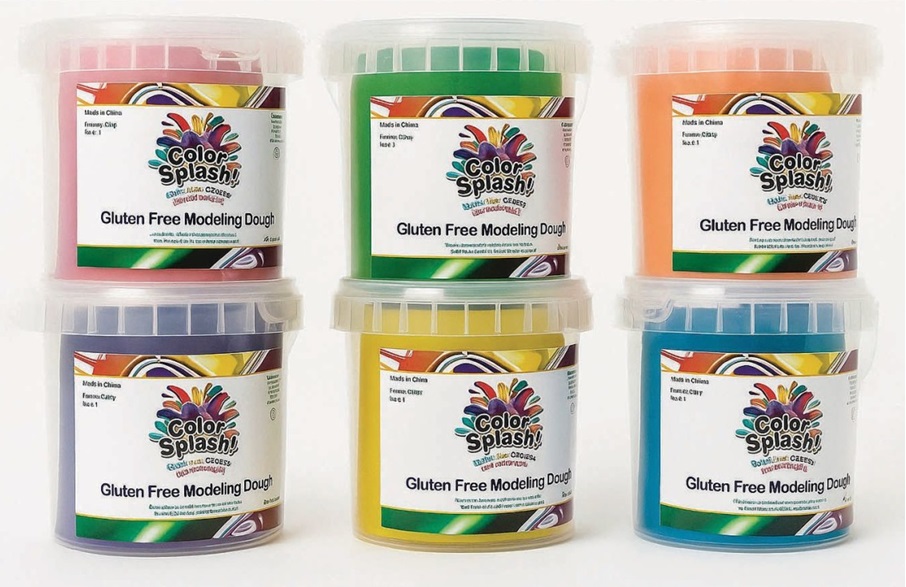
That’s exactly what Color Splash!® Wheat & Gluten Free Classic Dough delivers: inclusive creativity without compromise. It’s formulated to be free from wheat, gluten, and other major allergens, while meeting the non-toxic safety standards (ASTM D-4236) that school, camp, recreation, and care-program leaders rely on. The sculpt-and-play texture does everything traditional dough does, just safer for more children, and even adults!
When evaluating sensory materials for shared environments, keep this checklist close:
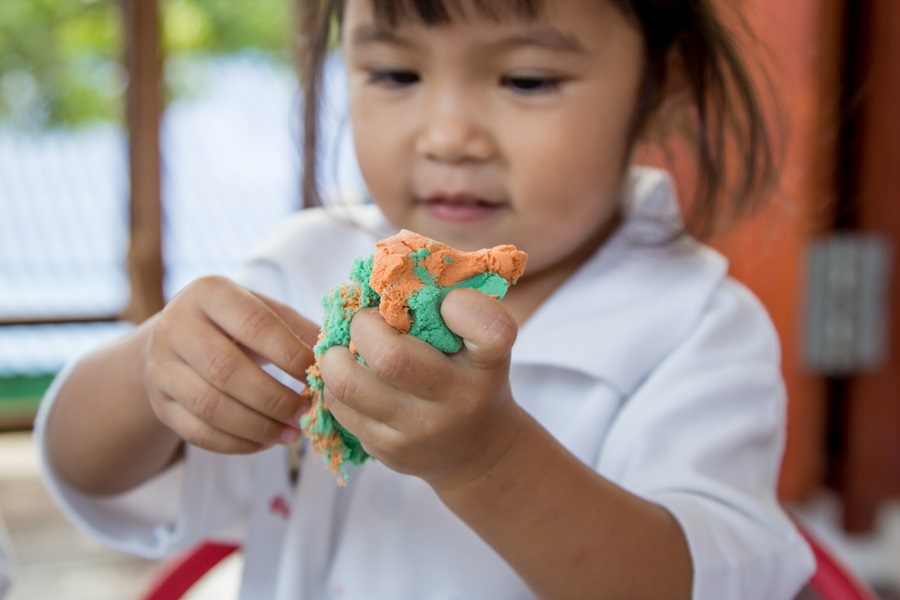
Sensory play is too valuable to leave to chance. It supports development, builds skills, and creates moments of connection that children carry with them. Safety should be built into those experiences from the start and not considered after the fact.
Awareness leads to better decisions and informed choices, even ones as simple as the materials on the table can make a profound difference in a child’s learning experience.
Every program has the opportunity to be more inclusive and it starts with the materials you choose. Explore our Color Splash!® Wheat & Gluten Free Classic Dough and create sensory experiences that every child can be part of, with confidence.
You can also pair it with some modeling tools:
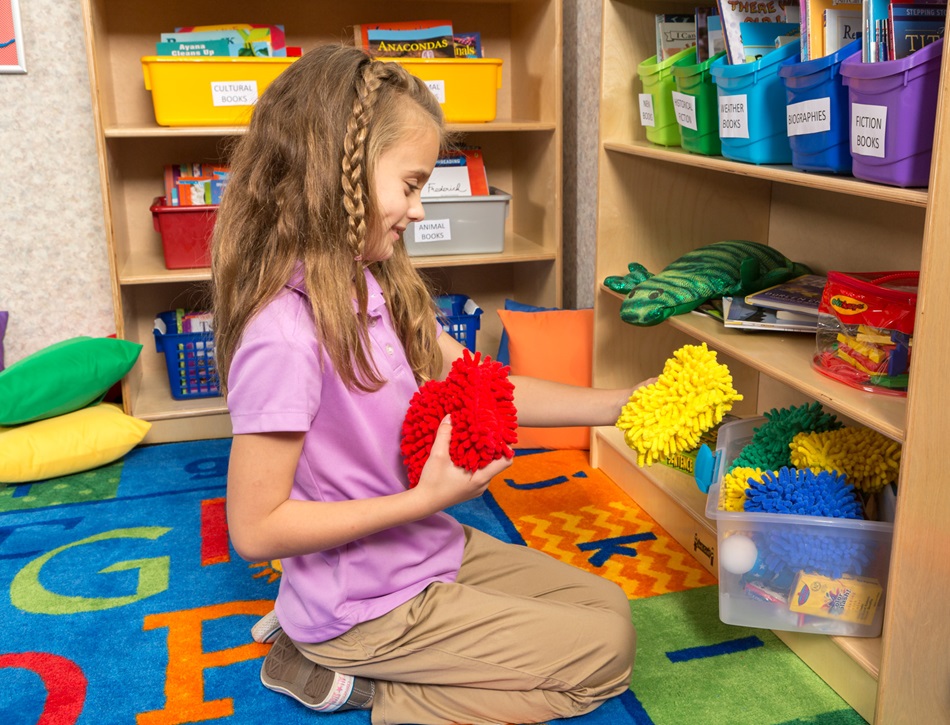
Children take in sensory information all day through sight, sound, touch, movement, taste, and smell. Most of the time, the brain processes this information without much thought. For some children, however, sensory input can be difficult to manage. These differences can affect how a child participates in the classroom. A student who frequently moves, touches […]

For a young child, an ordinary cardboard box can become a fire truck racing off to an emergency, while a simple wooden block turns into a telephone for an important call. In an instant, the scene changes. The child is now the chef of a bustling restaurant, taking dinner orders, preparing imaginary meals, and making […]
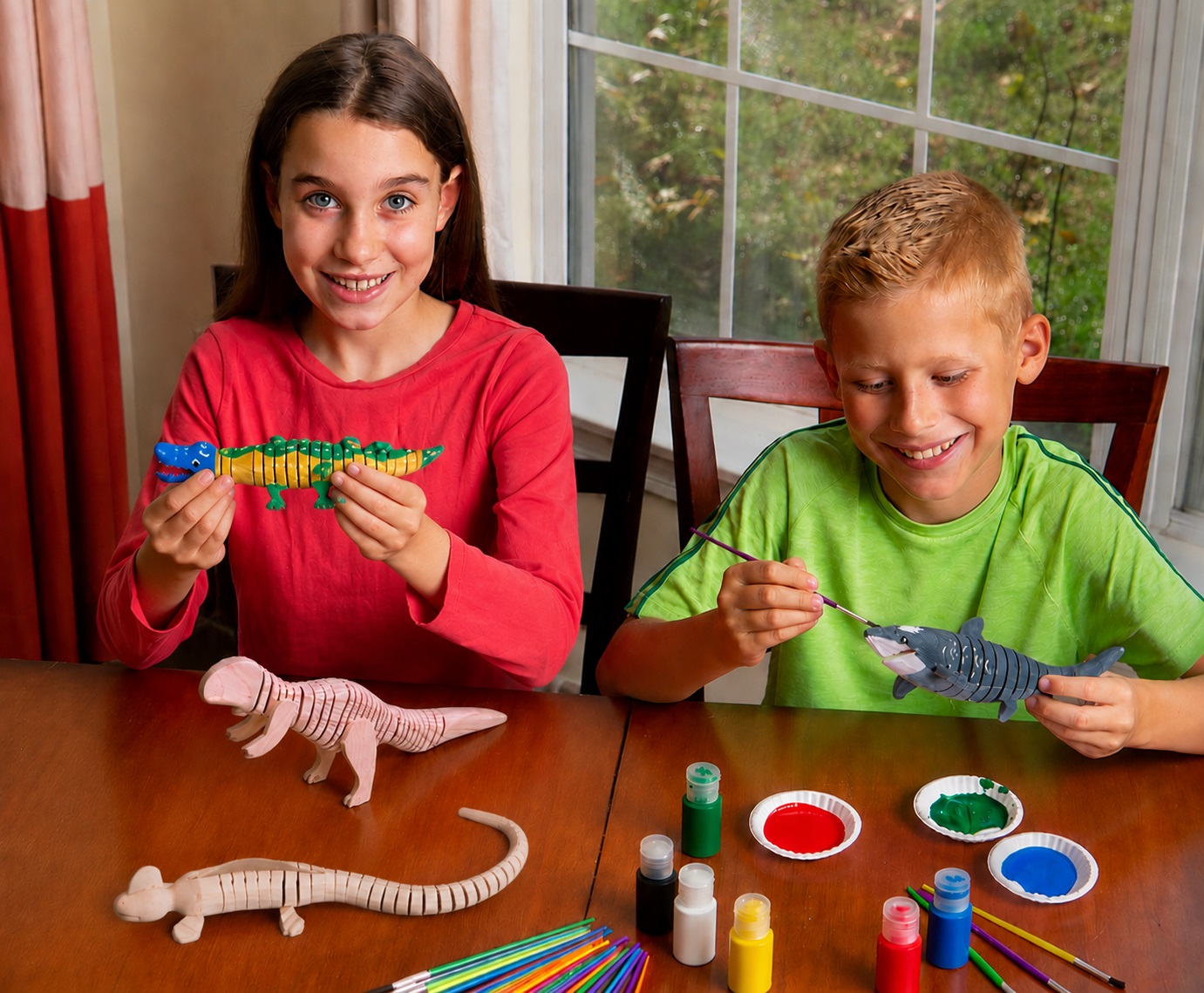
What if a craft didn’t stop being fun once the paint dried? Our Flexible Wooden Animal Craft Kits combine creativity with movement, giving kids a project they can decorate, bend, wiggle, slither, and play with long after craft time is over. Made from cleverly notched wood, these animals bend and flex with simple movements of […]
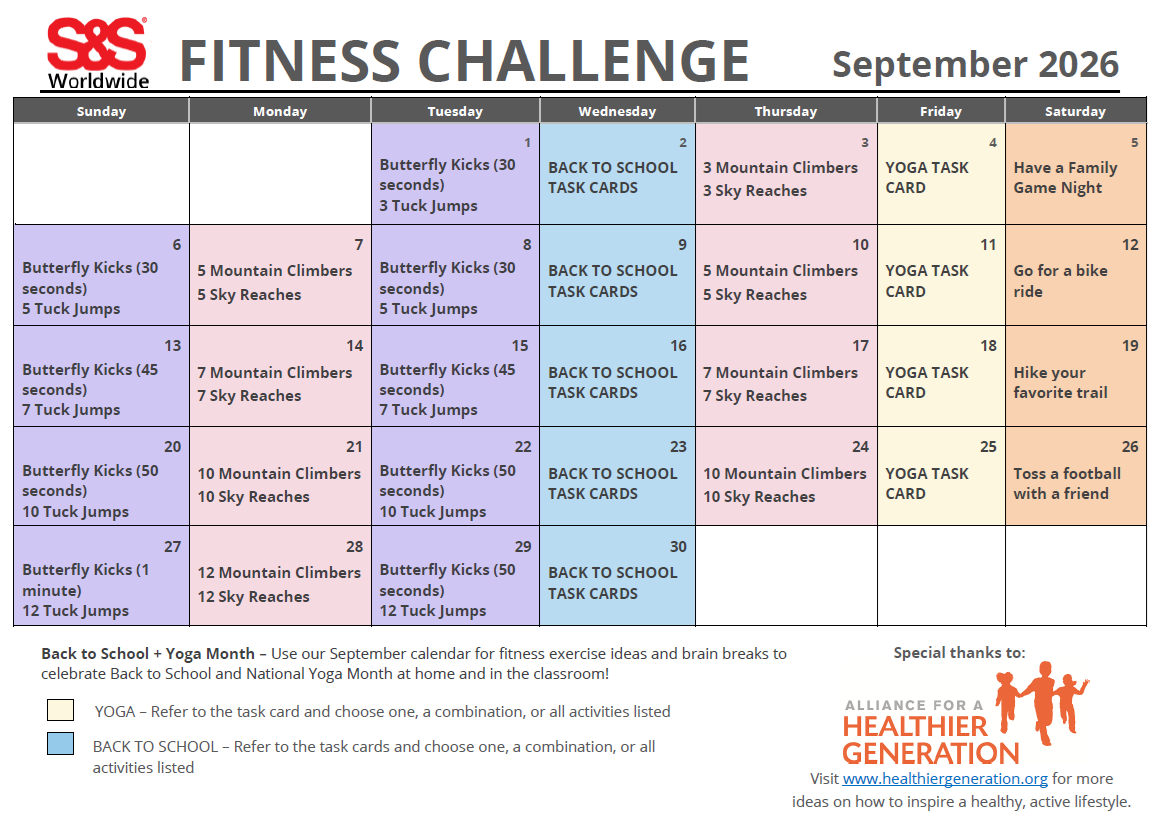
September Fitness Challenge Calendar 2026 Back to School is just around the corner, and our printable calendar is a great resource that teachers can share with students in the classroom. It can also be shared with parents to encourage their kids to stay active at home during the school year. We teamed up with the Alliance […]
Are you an educator, program leader, or creative thinker with ideas to share? We’re always looking for passionate contributors to help inspire our community. Whether it’s a lesson plan, activity idea, success story, or helpful tip — your voice can make a difference.
Interested in contributing? Email us at [email protected] to get started.
Leave a Reply