 Education
From Curiosity to Discovery: Introducing STEM to Early Learners Through Play and Exploration
STEM & Makerspace
6 min read
Share

Share
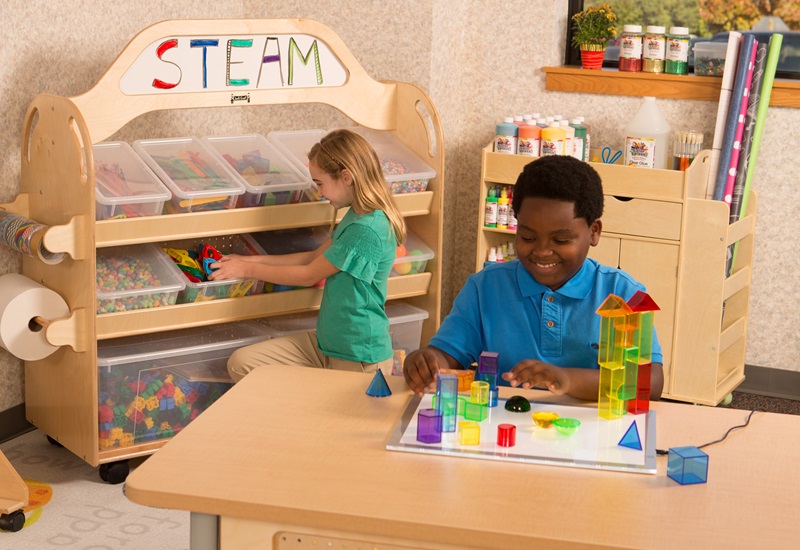
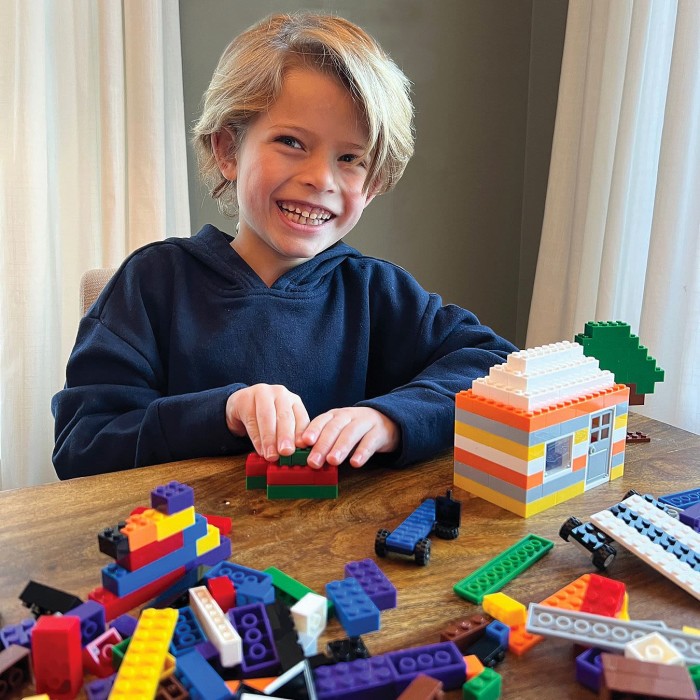
Do you remember spending hours building towers from blocks, mixing colors in water, or watching leaves drift down a stream as a child? Long before we ever heard the word “STEM,” we were experimenting, observing, and testing ideas driven purely by curiosity. Those early moments of wonder are exactly where the foundation for STEM learning begins.
STEM in early childhood isn’t about complex projects or advanced technology. It’s about helping children make sense of the world through exploration, experimentation, and discovery. When educators intentionally weave STEM principles into daily activities, they turn simple moments into powerful opportunities for learning and growth.
This article explores why early STEM education is so impactful and offers practical, age-appropriate ways to integrate STEM into your program to help young learners build confidence, curiosity, and a lifelong love of discovery.
Introducing STEM to young learners nurtures essential skills such as curiosity, creativity, critical thinking, and resilience.The experiences invite children to ask questions, test ideas, and find solutions, helping them develop confidence in their ability to explore and problem-solve. Collaborative, hands-on learning also strengthens communication and social skills while building a foundation for future success in math, science, and technology.
Early STEM education prepares children for a world shaped by innovation. It promotes adaptability, digital literacy, and a mindset of lifelong learning. By offering all children opportunities to explore STEM from the start, programs can help close skill gaps, challenge stereotypes, and inspire the next generation of creative thinkers and problem-solvers.
Effective STEM instruction for young learners starts with hands-on, play-based experiences that spark curiosity and invite exploration.
General Strategies for Educators
Simple experiments encourage observation, inquiry, and critical thinking. Activities that explore cause and effect, such as mixing materials, testing what sinks or floats, investigating simple circuits, or observing reactions, help children think like scientists while meeting early science standards in a safe, engaging way.
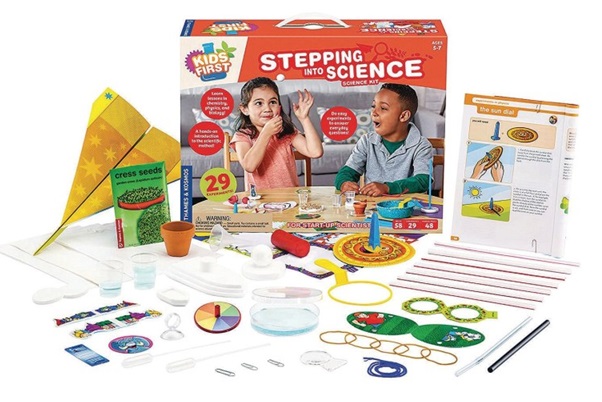
Hands-on science kits give young learners structured ways to investigate while still allowing plenty of room for open-ended discovery and wonder. A few great examples include:
Thames & Kosmos Kids First Stepping Into Science Kit – fun, simple experiments to introduce core scientific exploration.
Be Amazing! Toys Super Squishy Science Lab STEAM Kit for Kids – sensory-driven science with playful squishy experiments.
Snap Circuits® for Beginners STEM Activities Science Kit – safe, snap-together circuitry that builds early engineering thinking.
These kits encourage children to observe, hypothesize, test, and explain, building foundational scientific habits while engaging their natural curiosity.
Construction play builds foundational engineering skills. Whether using manipulatives, blocks, STEM kits, or design sets, children explore balance, structure, spatial reasoning, and creative problem-solving.
Open-ended building materials encourage children to design, test, rebuild, and iterate—the core habits of engineers that naturally emerge through play. Beginner engineering kits provide just enough structure to guide thinking while still sparking creativity.
Thames & Kosmos Kids First Little Labs Intro to Engineering Science Kit – early introduction to engineering concepts through guided activities.
Wooden Building Block Set – classic building blocks that invite open-ended design and stable structure play.
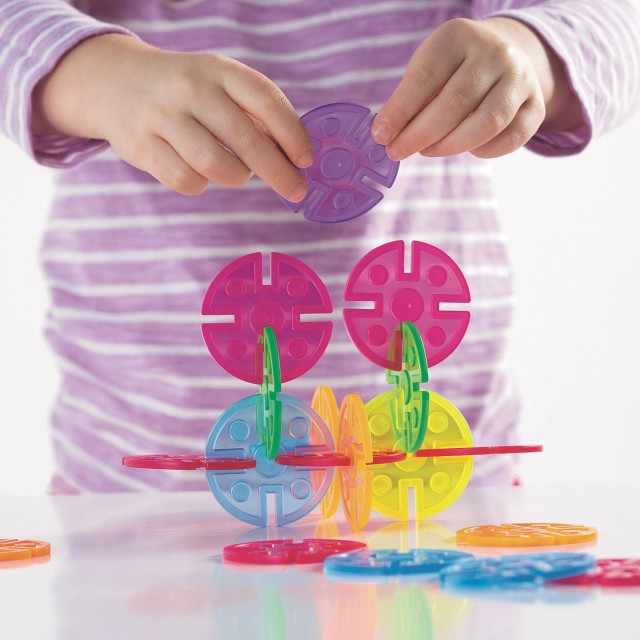
Guidecraft Interlox Discs Creative Building Set – translucent, tactile building components that fit together in countless configurations.
These materials help young learners explore stability, force, geometry, and design thinking with both individual and collaborative construction play.
Browse more early cognitive and fine motor building here >
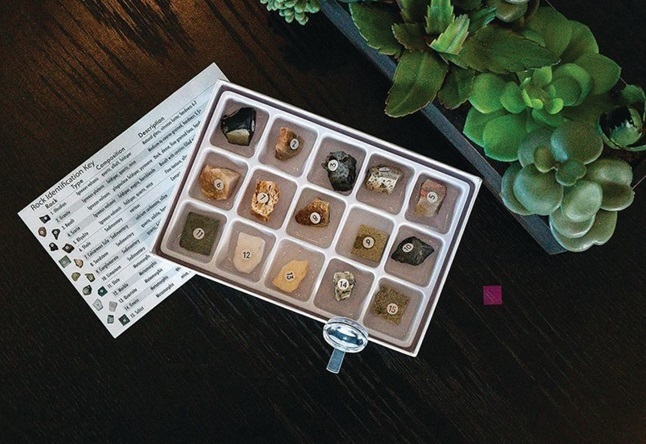
Outdoor exploration promotes early understanding of biology and ecology. Activities like gardening, weather observation, or studying insects and habitats connect science to the real world while supporting sensory development and social-emotional growth.
Hands-on growing kits and life-cycle experiences allow children to observe change over time, care for living things, and ask meaningful questions about the world around them.
Explore nature-based STEM tools like:
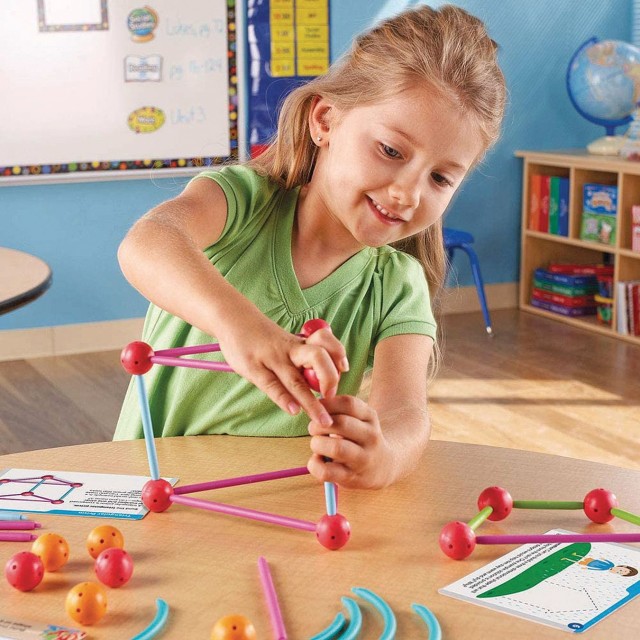
Integrate math concepts into everyday routines to help children see their practical value. Measuring ingredients, sorting materials, building patterns, and comparing quantities naturally build numeracy, logic, and early problem-solving skills.
Hands-on math manipulatives and early numeracy tools help children explore counting, shapes, size, and measurement in ways that feel meaningful and fun.
STEM Explorers GeoMakers – geometric exploration through pattern creation and shape discovery.
Didax Omnifix Cubes – versatile counting cubes that support sorting, comparing, and early arithmetic play.
Discover math learning tools here >
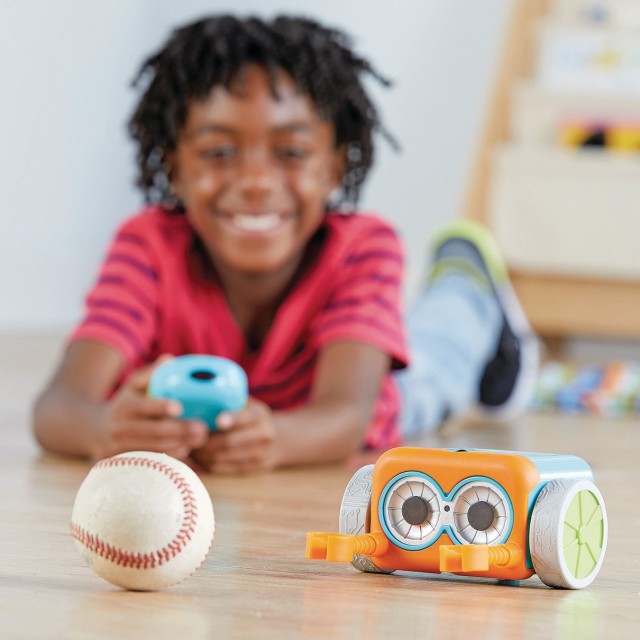
Introduce sequencing, patterns, and logic through unplugged coding games and movement-based activities. These experiences build computational thinking – an essential foundation for digital literacy – without requiring screens.
Robotics games and beginner coding kits allow children to experiment with cause and effect, directional thinking, and problem-solving in playful, age-appropriate ways.
Great early coding options include:
Combine literacy and STEM by using storybooks that highlight discovery, invention, and problem-solving. After reading, extend the experience with related experiments or design challenges to encourage curiosity and cross-disciplinary learning. Story-based STEM play connects imagination with real-world inquiry.
Tools to support STEM storytelling and inquiry:
Illumination Light Tablet – a lighted exploration surface that enhances sensory play and design thinking.
My Gears! Machine Set – an engineering-focused kit that invites learners to build, test, and iterate mechanical solutions.
Color Splash Classic Building Brick Set – open-ended loose parts for designing story environments, characters, and solutions.
Thames & Kosmos Master Detective Tool and Experiment Kit – inspires problem-solving and investigative play tied to storytelling and inquiry challenges.
After reading a story, invite children to:
When early learning programs embrace STEM through play, exploration, and discovery, they do more than teach science or math. They nurture the thinkers, problem-solvers, and innovators of tomorrow. With the right support and resources, educators can spark curiosity that lasts a lifetime.
Explore our range of hands-on STEM learning materials designed for early learners and start bringing discovery to life in your program today.
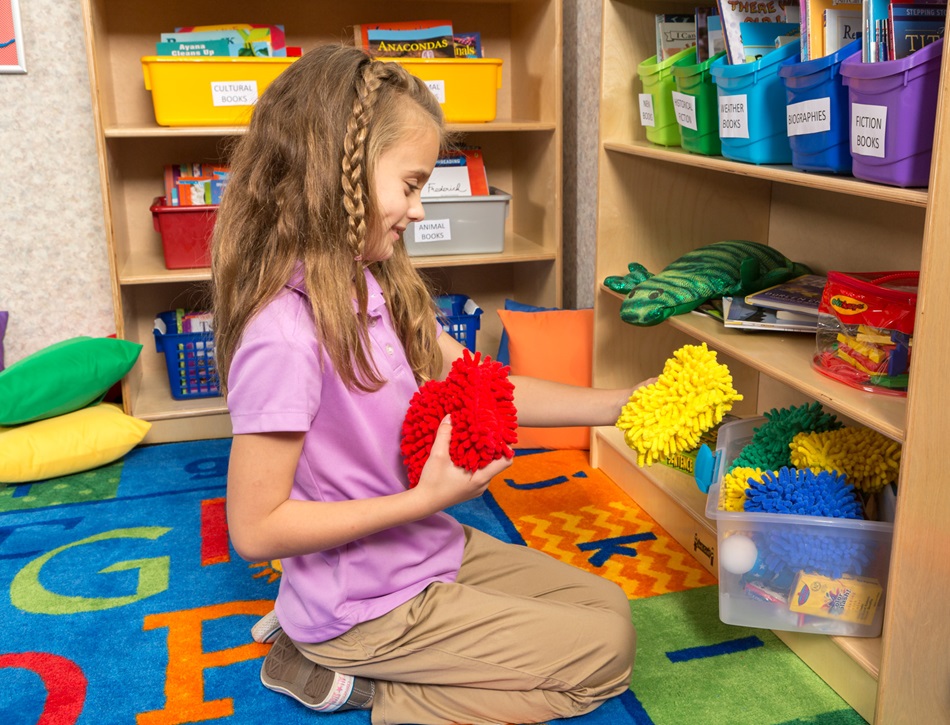
Children take in sensory information all day through sight, sound, touch, movement, taste, and smell. Most of the time, the brain processes this information without much thought. For some children, however, sensory input can be difficult to manage. These differences can affect how a child participates in the classroom. A student who frequently moves, touches […]
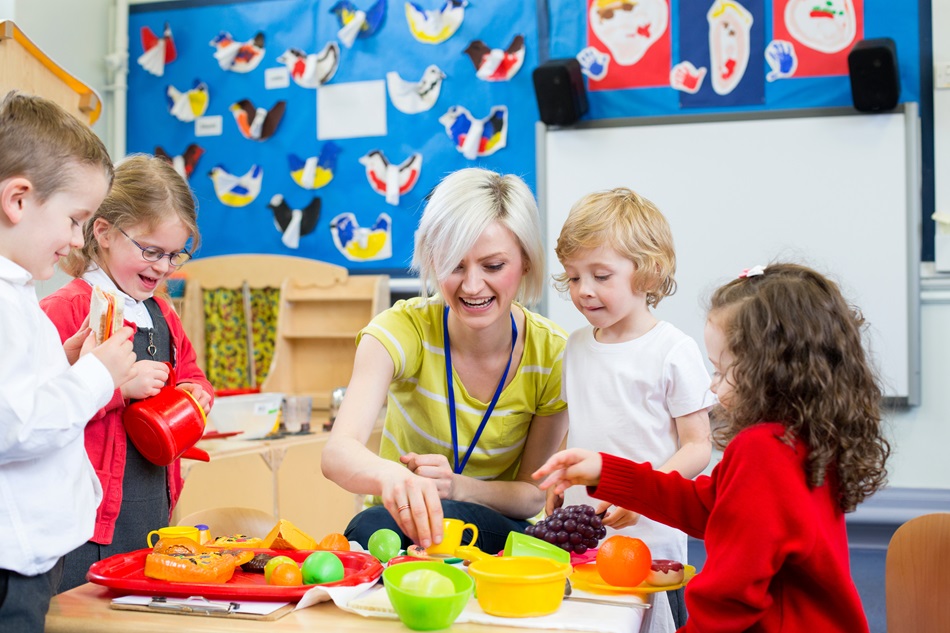
For a young child, an ordinary cardboard box can become a fire truck racing off to an emergency, while a simple wooden block turns into a telephone for an important call. In an instant, the scene changes. The child is now the chef of a bustling restaurant, taking dinner orders, preparing imaginary meals, and making […]
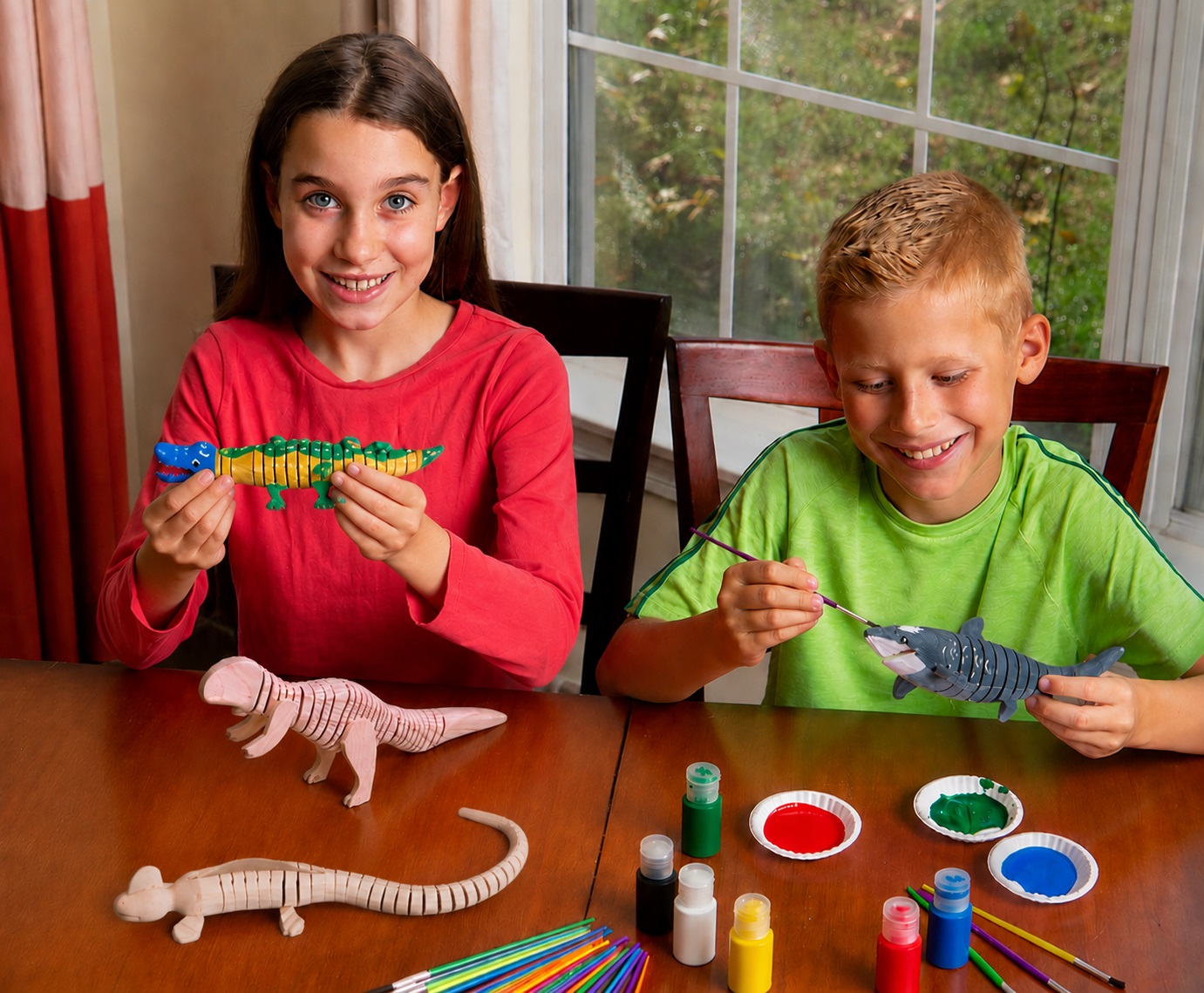
What if a craft didn’t stop being fun once the paint dried? Our Flexible Wooden Animal Craft Kits combine creativity with movement, giving kids a project they can decorate, bend, wiggle, slither, and play with long after craft time is over. Made from cleverly notched wood, these animals bend and flex with simple movements of […]
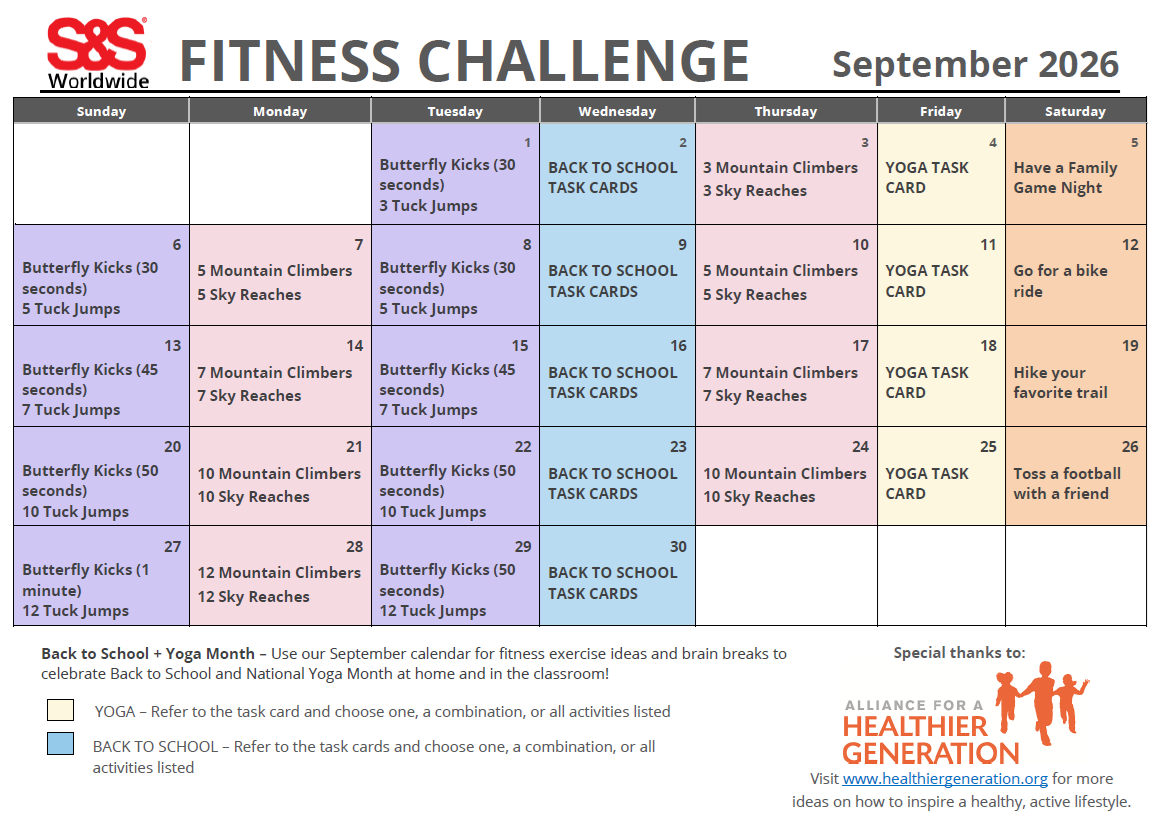
September Fitness Challenge Calendar 2026 Back to School is just around the corner, and our printable calendar is a great resource that teachers can share with students in the classroom. It can also be shared with parents to encourage their kids to stay active at home during the school year. We teamed up with the Alliance […]
Are you an educator, program leader, or creative thinker with ideas to share? We’re always looking for passionate contributors to help inspire our community. Whether it’s a lesson plan, activity idea, success story, or helpful tip — your voice can make a difference.
Interested in contributing? Email us at [email protected] to get started.
Leave a Reply