Imagine being an afterschool staff member who has just stepped into a classroom with more than 20 energetic kindergartners to restless middle schoolers ready for free play, snacks, or homework help. After a full school day, how can you keep everyone safe, engaged, and calm?
After School programs are an essential bridge between school and home, providing enrichment and supervision. But they can also be taxing to the staff who manage a combination of large, mixed-age groups with limited resources. Sensory supports offer a practical solution: they reduce behavioral challenges, help students self-regulate, and create calmer environments. This makes group management less overwhelming and more sustainable.
The Burnout Challenge in Afterschool Programs
Unlike the school day, afterschool settings often operate with fewer staff members, limited prep time, and multipurpose spaces that need to serve different functions. Staff must juggle safety, enrichment, and behavior management at the end of a long day, when both students and adults are often running low on patience and energy.
When burnout sets in, the consequences ripple through the program. This could lead to potential staff turnover, which in turn disrupts consistency, making it harder to build meaningful student relationships. Emotional fatigue can make patience harder to maintain, weakening the sense of connection and care. Over time, the quality of programming suffers, leading to reduced student engagement and parent satisfaction.
How Sensory Tools Support Staff (and Students)
Sensory tools aren’t just helpful for students, they also lighten the load for staff. By giving children proactive ways to manage their energy and emotions, these tools reduce disruptions and create a more balanced group dynamic.
- Reducing Behavioral Disruptions
Sensory tools give students safe, structured outlets for excess energy or stress. Something as simple as a fidget tool or access to a calm-down space can help pacify an overactive or stressed out student. The less time staff spend de-escalating situations, the more time they can dedicate to leading meaningful activities.
- Supporting Inclusive Participation
Afterschool groups are diverse, including students with ADHD, autism, anxiety, or trauma histories. Sensory supports allow all children to participate fully without being singled out or excluded. This helps staff maintain fairness and prevents burnout that comes from managing repeated challenges.
- Building a Calmer Group Environment
When students can self-regulate, the entire group benefits. Tools like visual schedules, breathing cards, or noise-reducing headphones establish a rhythm and reduce chaos. A calmer atmosphere helps staff feel more in control and effective in their role.
Practical Sensory Solutions for Afterschool Programs
The good news is that sensory supports don’t have to be complicated or expensive. From portable calming corners to simple group activities, there are many ways to incorporate sensory strategies into daily routines. The key is choosing options that fit your space, schedule, and staff capacity while meeting a range of student needs.
Portable Calming Corners
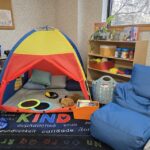
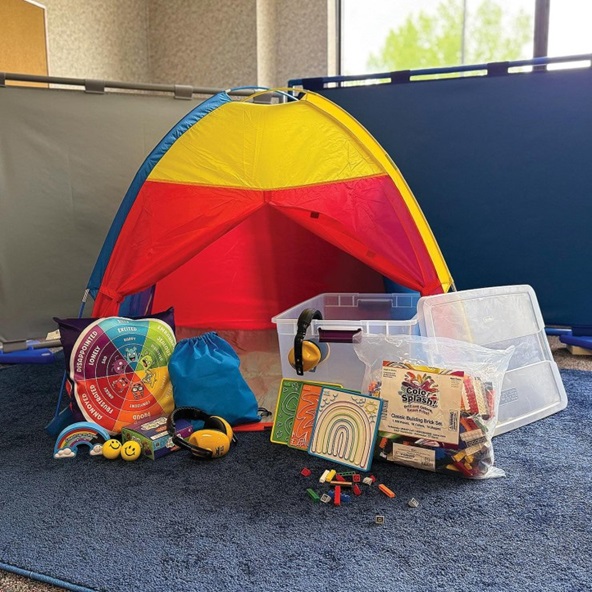
A quick pop-up tent, noise-reducing headphones, and a basket of stress-relief tools can be set up in any classroom or multipurpose area. These mobile setups make it easy for staff to create calming spaces wherever needed.
Group-Friendly Sensory Strategies
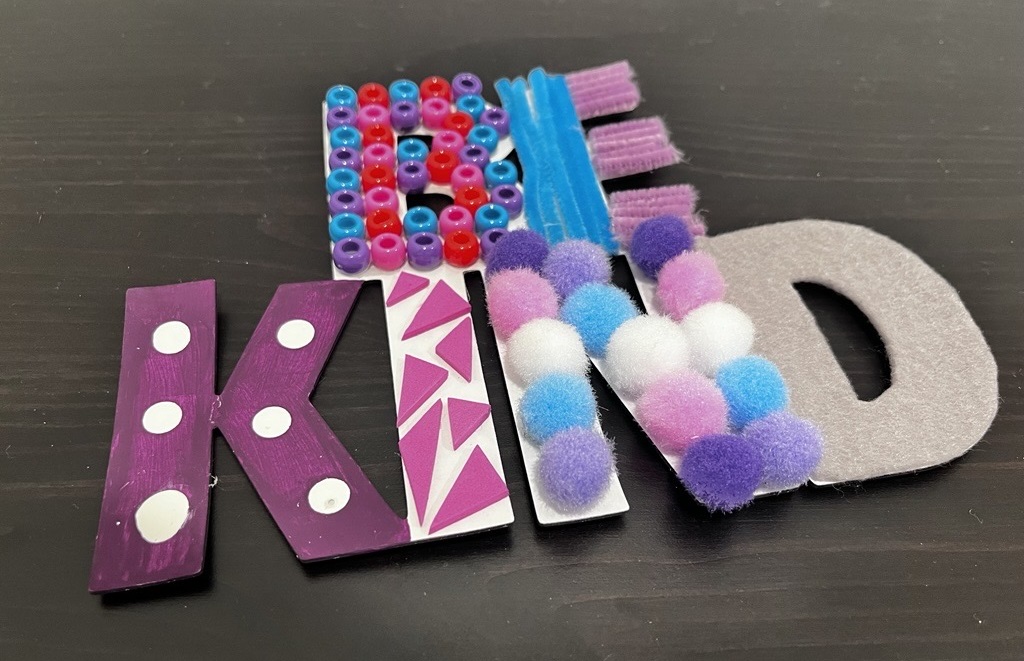
Rotation stations that include sensory crafts, short movement breaks, or mindfulness activities keep students engaged while meeting different needs. For example:
- Use the Celestial Sensory Tube Craft Kit to let students build their own glittering sky-themed sensory tubes.
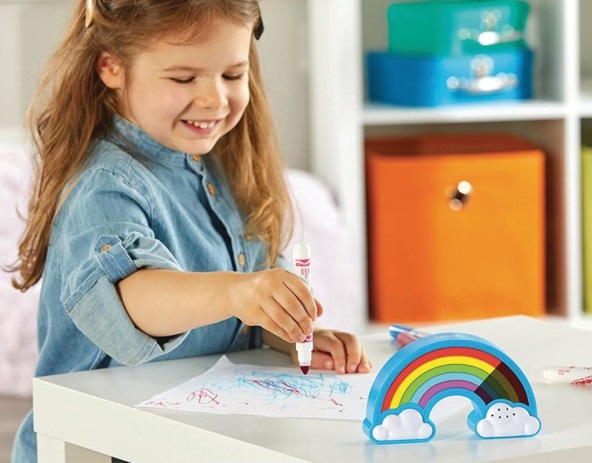
- For visual scheduling or timing transitions, use the Rainbow Visual Timer to show elapsed time in a colorful, intuitive way.
- For smaller or portable timing, try the 3″ Time Timer for students to carry or place at their station
- Mindfulness Activity Cards prompt breathing, stretching, visualization, or focus exercises.
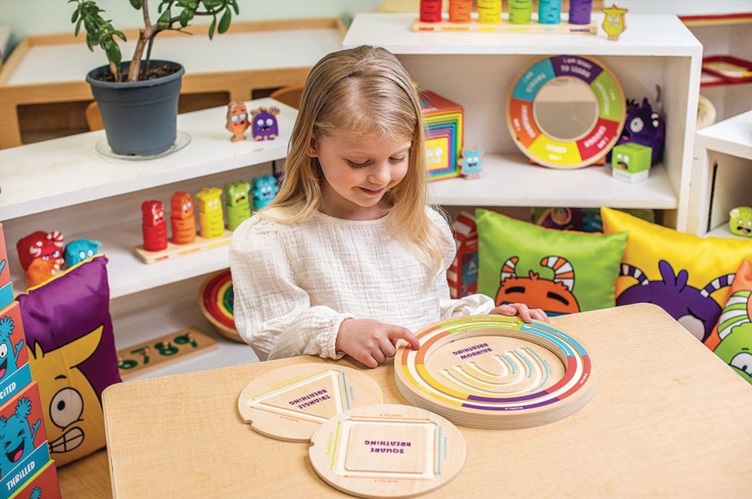
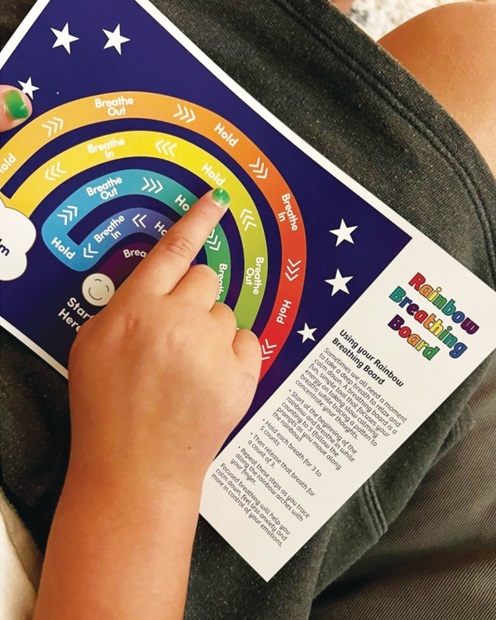
- This Calming Strategies Bundle includes a deck of 30 jumbo calming skill cards and 4 wooden breathing boards, which can be rotated into stations to guide mindfulness and self-regulation exercises.
These tools help smooth transitions and keep each rotation timed clearly, lowering friction when switching from one activity to the next.
Staff-Friendly Options
Not every tool should require extensive setup. Here are examples of low-maintenance, staff-friendly supports:
- Our exclusive Deluxe Calming Kit comes pre-assembled with noise-canceling earmuffs, a weighted plush, gel lap pad, and tactile tools
- Include wearable or handheld supports like textured bands or fidget tools (helpful fidget items also come as part of our calming kits).
- Use quick visuals posted at rotation stations, or use breathing boards handed out.
- Keep things compact: for example, use the smaller timers (like the 3″ Time Timer above) in staff toolkits.
These scalable, easy-to-store supports allow your afterschool programs to serve many students without placing extra burden on staff.
Empowering Staff for Success
Even the best sensory tools only work when introduced thoughtfully. Training staff to frame them as positive choices and not punishments makes all the difference. Role-playing techniques during staff meetings, sharing success stories, and modeling how to use the tools can increase confidence and reduce skepticism. Over time, sensory supports become part of the culture, not just an “extra.”
Your Path to a Calmer, Happier Afterschool Space
Sensory tools aren’t just student supports, but they are also staff wellness tools. By helping children regulate themselves, they lighten the workload for afterschool professionals and reduce the stressors that contribute to burnout. For program leaders, building a sensory toolkit is an investment in both student success and staff sustainability.
At S&S Worldwide, we offer a variety of calming items, sensory support products, and SEL kits that make it easier to bring these strategies into your program.
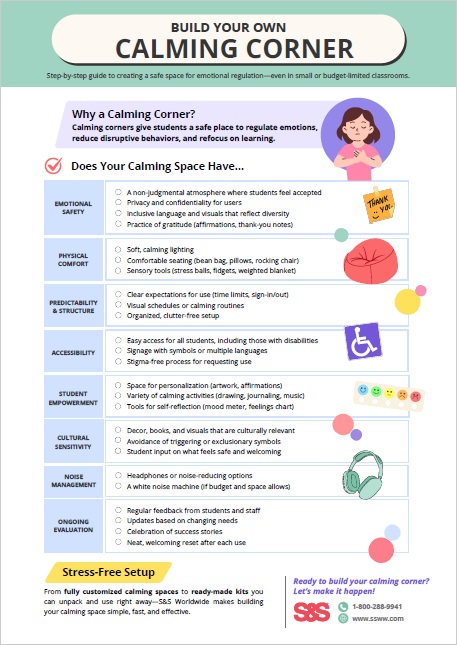
👉 Download our free checklist for creating a calming space in your afterschool program and start building a calmer, more supportive environment today.