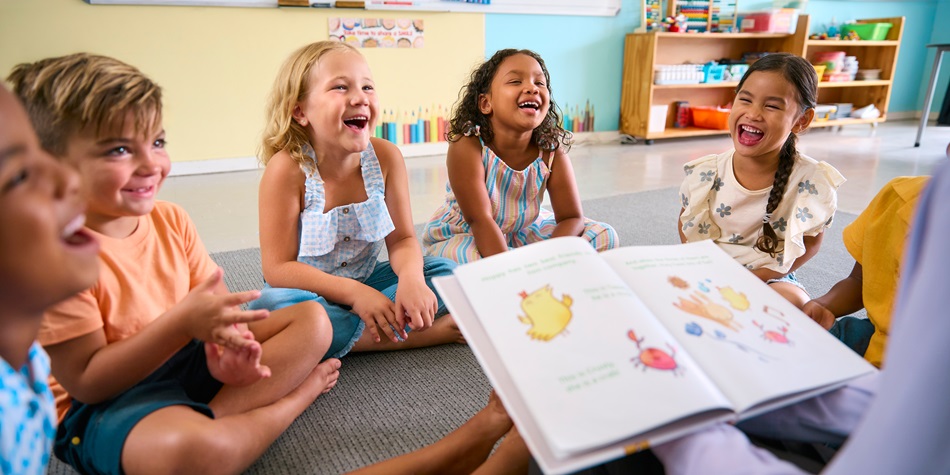
It starts quietly. A child hesitates before raising their hand, second-guesses a drawing, or backs away from a new challenge. Self-confidence doesn’t erupt all at once – it’s built, brick by brick, through everyday interactions and subtle signals. As a parent, your words, reactions, and routines lay the groundwork for how your child sees themselves. You’re not just teaching them to tie their shoes or solve math problems – you’re teaching them to believe in their ability to try, learn, and grow. Here’s how you can plant those seeds of confidence – and watch them take root.
Celebrate the Effort, Not Just the Outcome
When your child pours energy into something – a drawing, a story, a skateboard trick – the praise you give can shape how they see success. By praising effort over results, you focus attention on grit, not grades. “You kept going even when it got tricky” lands differently than “You’re so smart.” Over time, this trains kids to measure themselves by their resilience, not their outcome. It reinforces the idea that growth is within reach—not something you’re born with or without.
Let Them Build Something of Their Own
Confidence doesn’t just come from praise – it comes from ownership. Helping your child start a tiny entrepreneurial project, like selling painted rocks or offering neighborhood dog walks, gives them firsthand experience with decision-making and responsibility. Kids begin to see themselves not just as students or players, but as creators and contributors. Something as simple as designing a business name or making a digital logo with a tool to create your free logo generator turns their idea into a real venture. That moment when they hand someone a flyer or display their design? That’s a rush of confidence no pep talk can match.
Let Them Make Small Decisions They Can Own
One of the quickest ways to undermine confidence is over-controlling everything. Instead, start with choices they can manage. Whether it’s letting your five-year-old pick the vegetable at dinner or your tween plan a weekend routine, making choices they understand helps build decision-making muscles. These small acts of autonomy signal that their voice matters. The more they practice, the more they’ll trust their instincts when the stakes are higher.
Practice Positive Mindset Out Loud
Your child hears the way you talk about yourself – and they learn to echo it. When you say, “I haven’t figured this out yet” instead of “I’m terrible at this,” you model a mindset that bends but doesn’t break. That’s the gift of positive reframing: it builds a flexible, confident view of struggle. According to experts, helping kids internalize this approach early on can help them develop emotional resilience through positive self-talk. It’s not about pretending everything is perfect – it’s about teaching them to stay open when things aren’t.
Let Them Fail (Safely)
It’s tempting to jump in when your child struggles. But confidence grows when they discover they can handle hard things. Trusting them with small setbacks (like losing a game, forgetting homework, or baking a lopsided cake) lets them flex emotional muscles they’ll need for life. Failure isn’t the enemy; fear of it is. When parents normalize stumbling and recovering, they raise kids who are less afraid to try.
Build Resilience Through Connection, Not Control
Self-confidence doesn’t mean kids never wobble – it means they know where to turn when they do. Supporting them through tough moments rather than shielding them builds a durable internal compass. Ask questions like, “What part was hard?” or “What do you think you could try next time?” instead of rushing in with answers. This builds trust – not just in you, but in themselves.
Make Bedtime a Mirror
The day ends. The lights dim. And your words echo. Bedtime is one of the most powerful moments to shape how your child sees themselves. Bedtime words that reinforce worth like “I loved seeing you try something new today” or “You were really kind to your brother” land deeper than we think. They become the quiet scripts children carry into sleep – and self-perception.
Confidence isn’t given. It’s practiced. And parents are the steady hands shaping the practice space. In your language, your tone, your choices – your child learns what’s safe to try, what’s worth celebrating, and how to recover. Resilience blooms not from perfection, but from presence. And presence – warm, clear, steady – is the foundation of every confident kid.
You can discover a world of creativity and fun at S&S Worldwide, your go-to destination for innovative educational and recreational products!
About the Author:
Carrie Spencer created The Spencers Adventures to share her family’s homesteading adventures. On the site, she shares tips on living self-sufficiently, fruit and vegetable gardening, parenting, conservation, and more. She and her wife have 3 kids, 2 dogs, 4 cats, 3 goats, 32 chickens, and a whole bunch of bees. Their goal is to live as self-sufficiently and environmentally-consciously as possible.