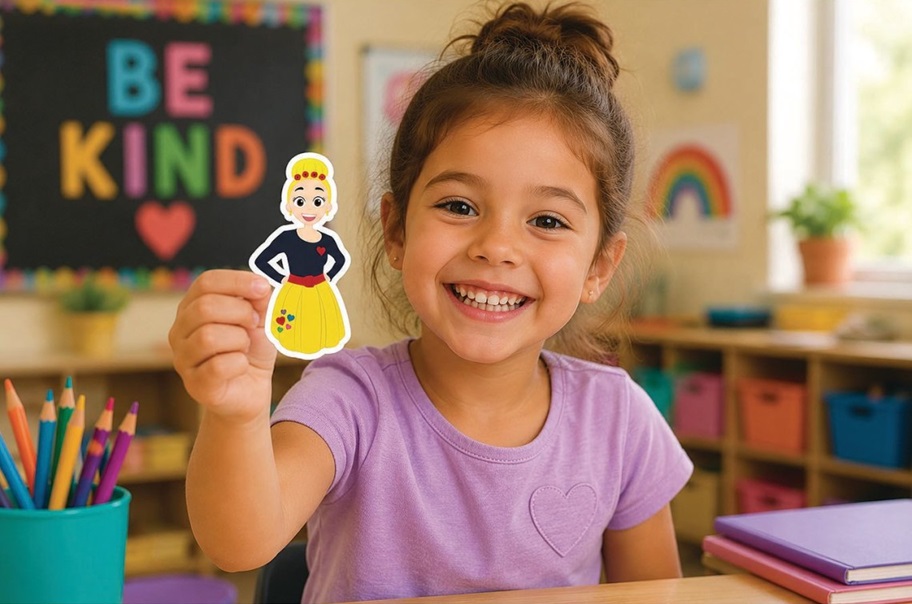
Every generation grows up with a cast of beloved characters, ones they carry with them long after childhood for the lessons they taught beyond the classroom. Whether it was a giant yellow bird introducing the alphabet or a big red dog leading the way on everyday adventures, these characters become part of our stories, shaping how we learn, feel, and connect.
But their impact goes far beyond nostalgia. These characters aren’t just memorable, they’re meaningful. They create a sense of comfort, curiosity, and trust that makes learning stick. And today, that same connection is at the heart of a powerful approach in education: character-based learning.
Character-based learning uses familiar figures, whether animated heroes, storybook friends, or live performers, to help children explore big feelings and navigate challenging behaviors from a safe distance. Instead of asking a child to confront frustration or sadness head-on, educators can ask, “What do you think this character would do?” That simple shift in perspective can completely transform how a child engages.
Familiar Characters Create Emotional Safety
Children are still learning how to identify and express their emotions, and doing so can feel vulnerable. Familiar characters provide a powerful buffer.
They lower defensiveness. Talking about sadness, anger, or frustration feels far less intimidating when those emotions belong to a character rather than the child. A student who might hesitate to admit feeling left out can easily explain why a storybook character feels that way and in doing so, begins to process their own experience.
They build predictability. Children already understand how their favorite characters think, act, and react. This consistency creates a sense of trust. When the environment feels predictable, children feel safer taking emotional risks.
They model moral courage. Characters serve as safe stand-ins for qualities like kindness, empathy, and responsibility. Watching a character make a brave or generous choice gives children a behavioral script they can internalize and try out in their own lives.
Storytelling Turns Lessons Into Experiences
A well-told story activates imagination, curiosity, and memory all at once, which is why character-driven lessons stay with children long after the moment has passed. Whether it’s learning empathy through everyday play, picking up new language through adventure, or exploring science through storytelling, the common thread is clear: a relatable character makes the lesson meaningful.
When learning feels like an experience rather than instruction, children are more likely to retain and apply what they’ve learned.
Imagination Invites Participation
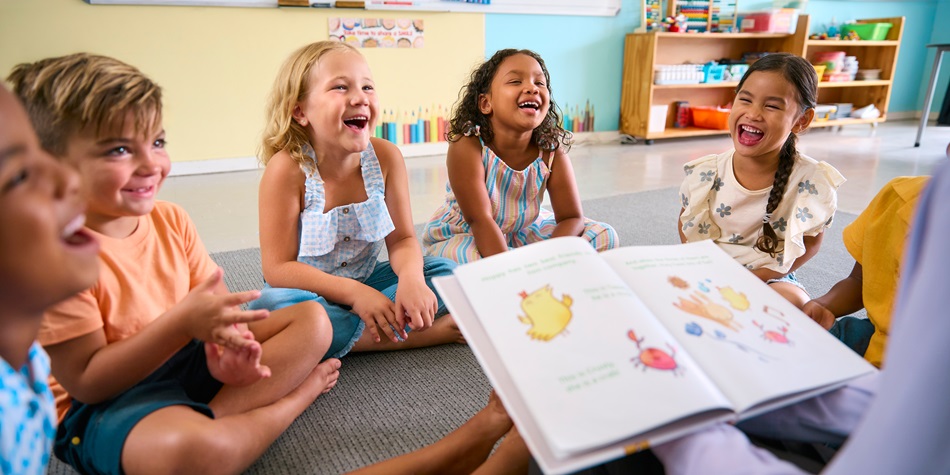
Once a child forms an emotional connection with a character, rather than just observing, they are more inclined to participate.
This is where simple classroom and at-home strategies can make a lasting impact:
- Storybooks and puppets
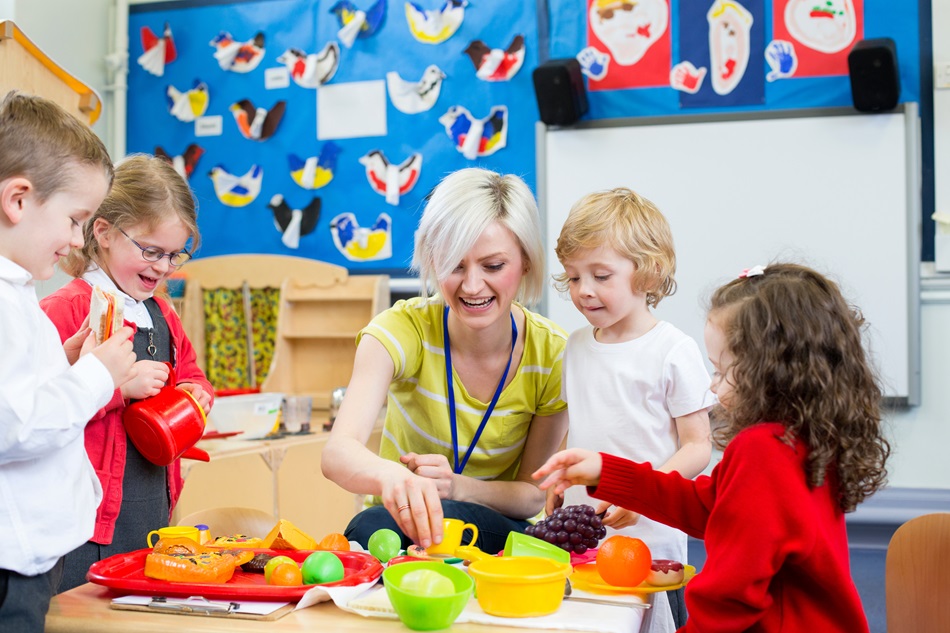
Bringing stories to life through puppets or crafts gives children a low-pressure way to act out sharing, problem-solving, and emotional regulation.
- Framing behaviors through characters
Asking questions like “How would this character handle this?” or “What could they say to help their friend feel better?” gives children a mental model to guide their responses.
- A “character of the month”
Focusing on a single trait such as courage, patience, or kindness, and connecting it to familiar characters helps build emotional vocabulary through small, consistent habits.
How Characters Help Children Open Up
Perhaps the most powerful aspect of character-based learning is what happens beneath the surface.
When a child talks about how a character feels, they are often processing their own emotions just with enough distance to feel safe. That distance makes difficult conversations possible.
A child who struggles to explain why they’re upset can often describe exactly how a puppet or storybook friend is feeling. In the process, they begin developing the self-awareness and vocabulary needed to eventually express their own emotions more directly.
Meet Poppi: A Trusted Learning Companion
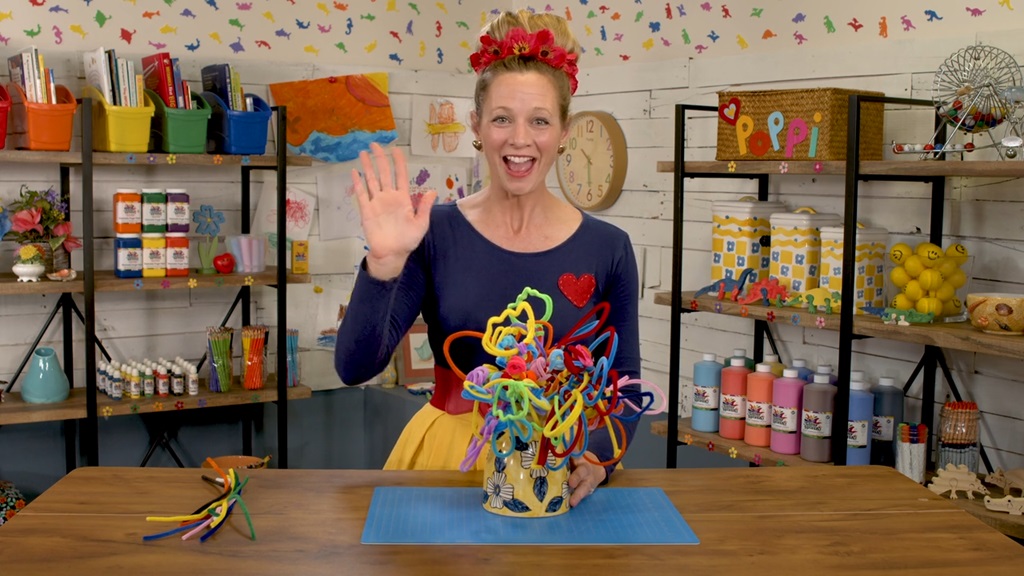
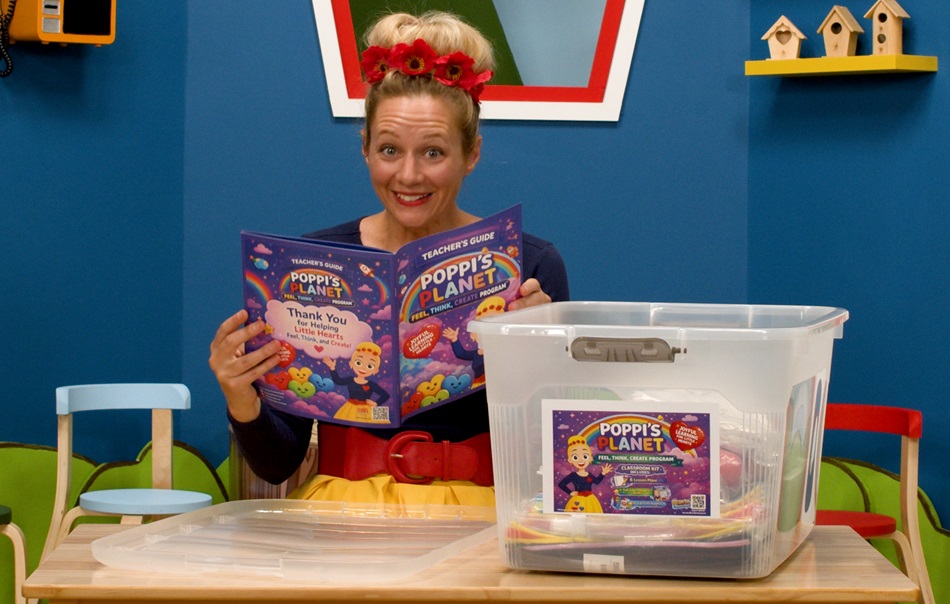
This is where Poppi’s Planet comes in.
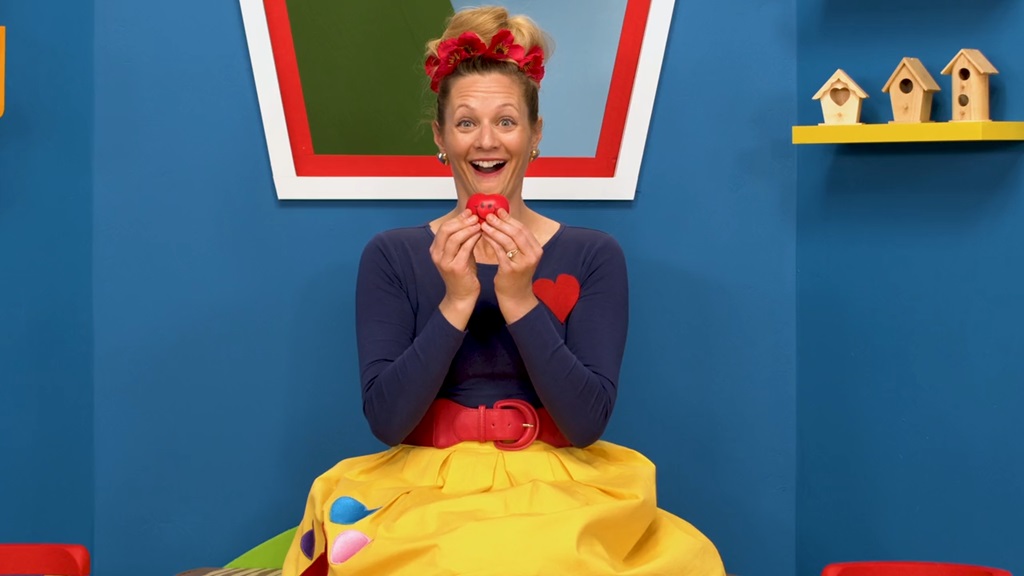
Poppi isn’t animated or confined to a screen. She’s a live, interactive character who brings social-emotional learning to life through performance, movement, and play.
Through storytelling, mindfulness activities, dance, and her cast of puppet friends, Poppi introduces children to essential skills like emotional awareness, self-regulation, and empathy. Her approach meets students where they are, honoring different personalities, learning styles, and emotional needs rather than offering a one-size-fits-all solution.
Rooted in social-emotional learning (SEL) principles, every Poppi experience is designed to spark connection, compassion, and joy. Students don’t just watch, they participate, move, reflect, problem-solve, and laugh alongside her.
And when the experience ends, something lasting remains: stronger emotional vocabulary, practical coping strategies, and a deeper sense of confidence and connection.
Familiar, trusted characters have always helped children feel safe enough to grow. Poppi brings that same power into schools, through digital content or live performance, becoming not just a character, but a true companion in every child’s social-emotional journey.
Learn more about Poppi’s Planet here >