

Today’s youth are navigating increasing social, emotional, and behavioral challenges both inside and outside the classroom. Schools, afterschool programs, camps, behavioral health programs, and recreation organizations are being asked to support not only academic success, but also emotional well-being, self-regulation, social connection, and resilience. As a result, educators and youth professionals are looking for meaningful, engaging ways to help children build coping skills, express emotions, and feel supported in their environments.
The Need for Youth Mental Health & Behavioral Support Continues to Grow
Recent data continues to highlight the growing need for accessible behavioral and mental health support for children and teens. According to the Centers for Disease Control and Prevention, nearly 1 in 5 children ages 3–17 have been diagnosed with a mental, emotional, developmental, or behavioral health condition. In addition, the CDC’s 2023 Youth Risk Behavior Survey found that many adolescents continue to report persistent feelings of sadness, hopelessness, stress, and anxiety.
These challenges can impact learning, attendance, social interaction, and overall well-being, making supportive environments more important than ever. Schools and youth programs are increasingly incorporating social-emotional learning (SEL), sensory activities, mindfulness tools, cooperative games, and creative expression opportunities to help participants build confidence, practice self-regulation, and strengthen peer connections.
Today’s youth programs play an important role in creating safe, inclusive spaces where children feel supported, engaged, and connected. Simple tools like arts and crafts, sensory resources, calming activities, and collaborative games can encourage self-expression, reduce stress, and promote positive social interaction in a way that feels approachable and engaging for a wide range of ages and abilities.
By incorporating intentional behavioral health and social-emotional learning opportunities into everyday programming, schools and community organizations can help create environments where every child feels seen, valued, and empowered to succeed.
Solutions & Resources
Given these statistics, it is clear that schools need to be equipped with the tools and resources to address these challenges effectively. Schools are uniquely positioned to provide a supportive environment where students can learn about and discuss mental health openly. By integrating mental health education and supportive practices into the classroom, schools can help students develop resilience, manage stress, and seek help when needed.
In this blog post, we will explore a variety of activities and strategies that schools and afterschool programs can implement to promote youth behavioral and mental health. These include conversational solutions, mindfulness practices, creative therapies, and team-building activities, all designed to create a supportive and inclusive environment for students. By adopting these approaches, schools can play a crucial role in fostering the mental well-being of their students, preparing them not just for academic success, but for a healthy and balanced life.
Here are some effective activities and strategies to promote youth mental health and well-being.
Start a Conversation
Encouraging students to talk about their day, their feelings, and any concerns they might have can significantly impact their mental health. Structured discussions can be guided by prompts related to emotional well-being, personal experiences, or hypothetical scenarios. Open dialogue helps break down stigma and encourages students to seek help when needed.
Benefits:
- Breaks Down Stigma: Open discussions about mental health can reduce stigma and encourage students to seek help without fear of judgment.
- Builds Trust: Sitting in a circle creates an open, non-hierarchical space where every participant feels valued and heard.
- Enhances Communication Skills: Students learn to express their thoughts and listen actively.
- Fosters Empathy: Discussing various topics helps children understand different perspectives and develop empathy.
- Promotes Self-Awareness: Talking about emotions helps students become more aware of their own feelings and triggers, leading to better self-regulation.
- Encourages Help-Seeking: When students know that it is okay to talk about their mental health, they are more likely to seek help when they need it.
Strategies for Starting a Conversation
1. Regular Check-Ins
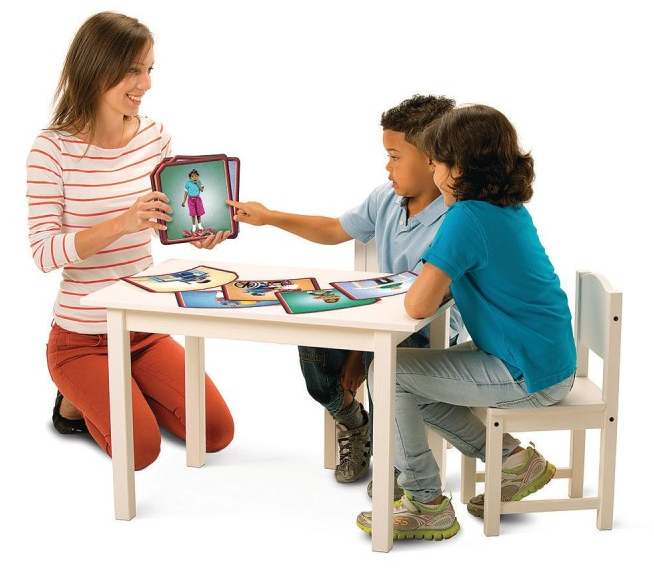
Incorporate regular check-ins with students to discuss how they are feeling. This can be done through one-on-one meetings, circle time, or using cards to prompt students to indicate their emotional state.
2. Classroom Discussions
Facilitate classroom discussions on mental health topics, such as stress management, coping strategies, and the importance of self-care. Use age-appropriate language and resources to ensure students understand and engage with the content.
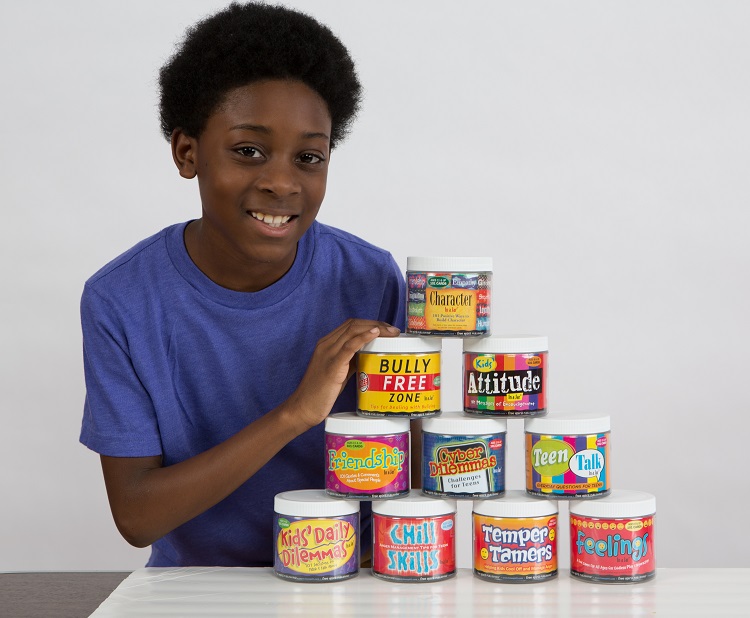
These “In A Jar” series are helpful for discussions. They contain 101 printed cards that act as prompts or discussion starters. Choose from:
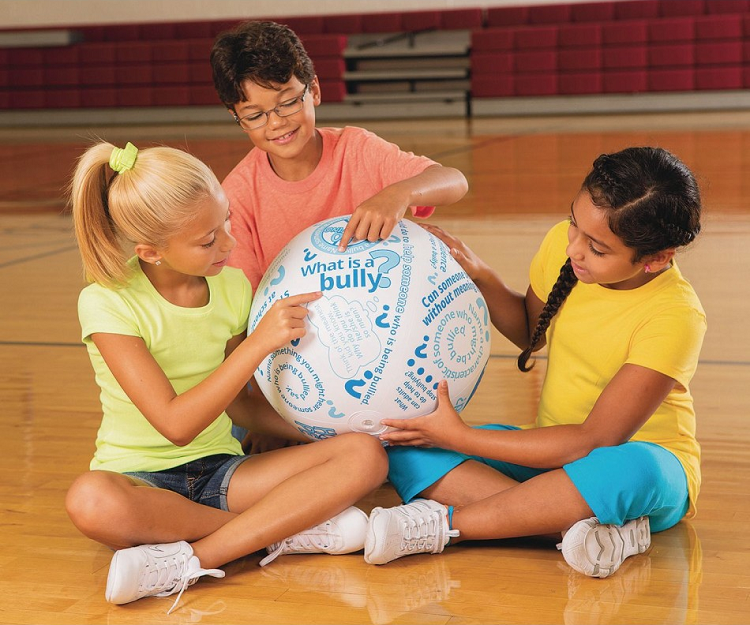
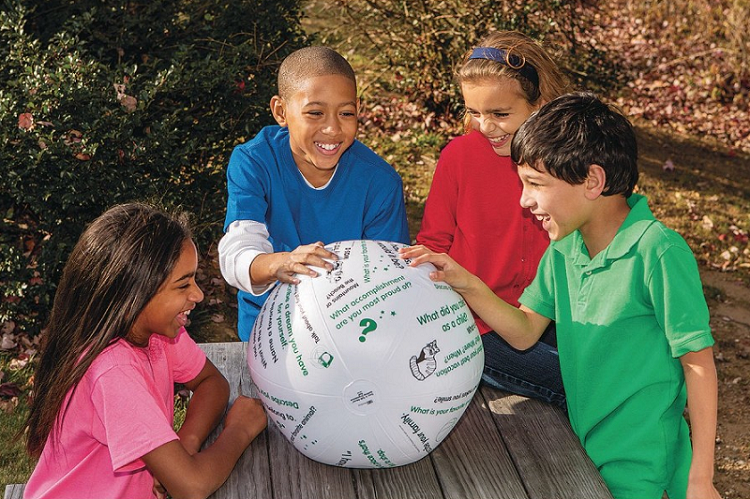
Inspire conversation with our 24″ inflatable Toss ‘N Talk-About® Balls that feature prompts on topics like feelings, hardships, bullying, and personal expression. Have your group toss the ball and start a discussion on a question or topic they see on the ball. Choose from:
- Emotions Ball
- Positive Attitude Ball
- Anti-Bullying Ball
- Anger Management Ball
- Relaxation Ball
- This or That Ball
- Family History Ball
- Getting Acquainted Ball
- Addiction Ball
- About Me Ball
- Toss ‘n Talk-About® Ball Easy Pack
- Create Your Own
3. Afterschool Conversation Nights
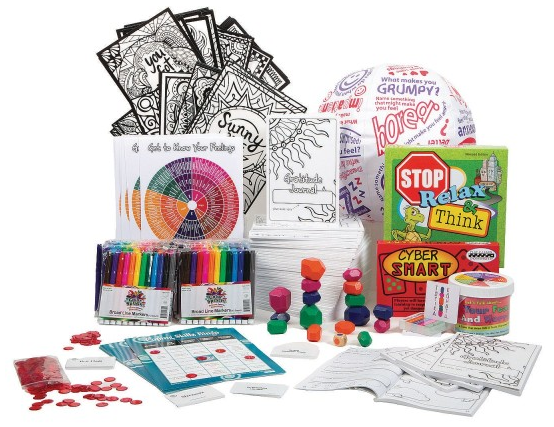
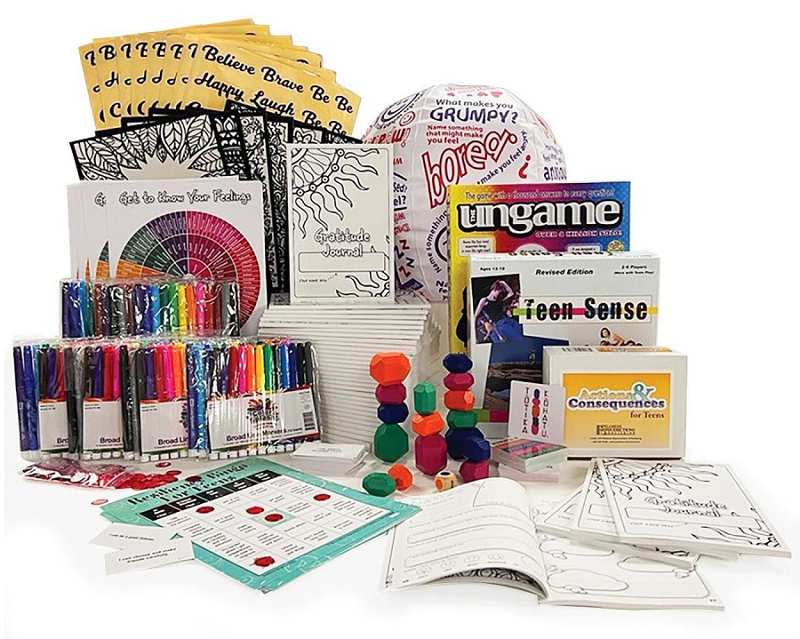
Our Start the Conversation Night Kit is a hands-on way to provide middle school and high school groups of students with resources to discuss mental health concerns. Plan an afterschool event with the included guide. This kit meets the needs of 50 children and come in a reusable tub for portability and convenience.
4. Anonymous Question Boxes
Provide a way for students to ask questions about mental health anonymously, like a suggestion box. This can encourage students who are hesitant to speak up to seek information and support.
Games for Discussing Feelings and Emotions
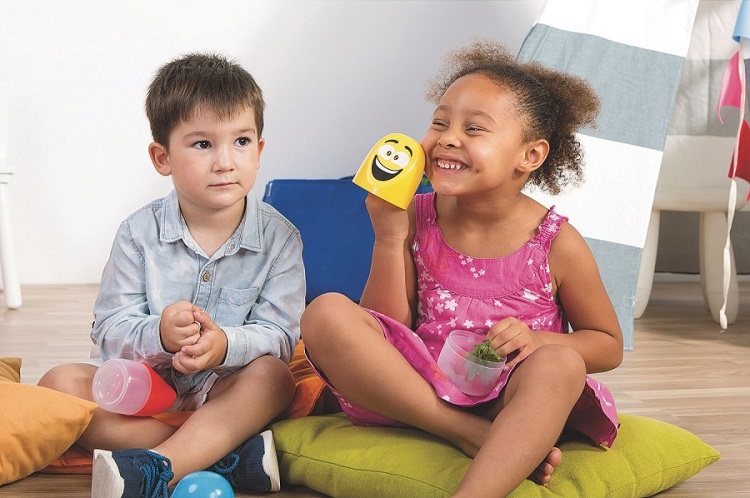
Using games to discuss feelings and emotions can be an engaging and effective way to help students understand and express their emotions. These activities can break down barriers and create a safe space for students to talk about their feelings. Games like “The Talking, Feeling, & Doing Game” or “Feelings Bingo” provide a playful context for serious conversations about emotions, helping children become more comfortable discussing their feelings.
Benefits:
- Builds Emotional Literacy: Games designed to discuss feelings help children identify and articulate their emotions. These activities help students learn the vocabulary needed to describe their emotions, improving their emotional intelligence.
- Creates a Safe Space: Fun and engaging activities lower defenses, making it easier for children to open up.
- Strengthens Relationships: Shared activities foster a sense of community and connection among peers. Discussing feelings through games can strengthen peer relationships and create a more supportive classroom environment.
- Facilitates Open Communication: Games can make it easier for students to talk about their feelings in a relaxed and non-threatening environment.
- Encourages Empathy: Understanding and discussing emotions can help students develop empathy and better understand the perspectives of others.
Implementing Games for Discussing Feelings and Emotions
1. Bingo Games – Resiliancy and Coping Skills
Use bingo games to support pre-teens and teens with the tools to handle stressors and overcome situations, and increase coping skills and self-awareness. This game encourages students to share and discuss their feelings in a fun and interactive way. Both of these bingo games include laminated cards, chips, calling cards, reproducible handouts, and instructions.
2. Board Games
Board games offer a fun and engaging way to develop critical social skills such as communication, teamwork, and positivity. Playing board games encourages students to interact face-to-face, helping to build stronger relationships. They also provide opportunities for students to practice problem-solving and strategic thinking which can enhance cognitive function and boost self-esteem.
We have many board games designed specifically to facilitate discussions about emotions, stress, and coping strategies, providing a safe and structured setting for students to explore and express their feelings. This can help to normalize conversations around mental health, reduce stigma, and foster a supportive community within the classroom
- The Talking, Feeling, Doing Board Game
- Stop, Relax, Think Board Game
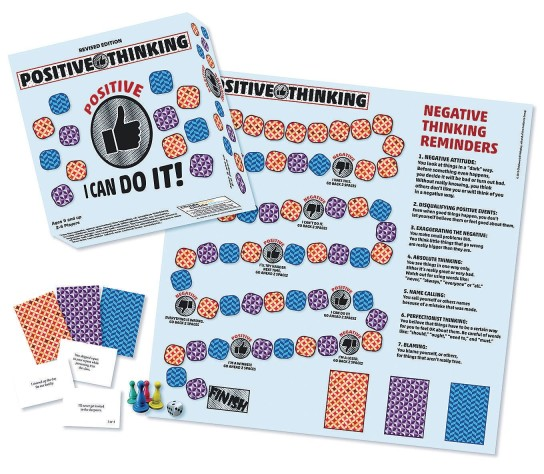
- Positive Thinking Board Game
- Social Skills Board Game Set
- Teen Sense Board Game Addressing Adolescent Topics
3. Emotion Matching Games & Photo Cards
Help children recognize, name, and talk about feelings with playing cards and matching games. They are the perfect conversation starters to help children develop the self-awareness and social awareness needed to manage their emotions and interact with others with empathy and respect.
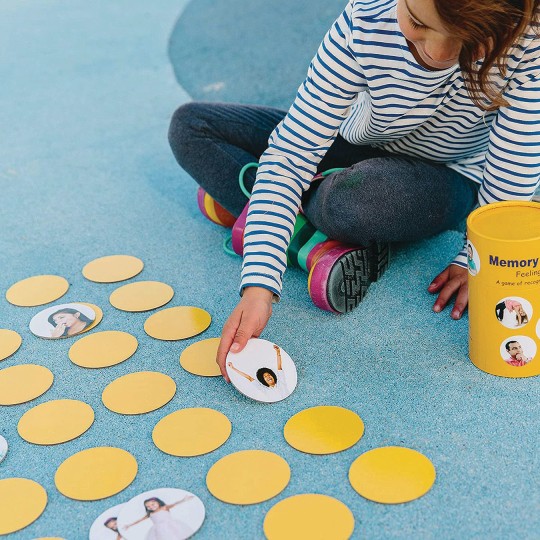
4. Other Games
We have several other games, including dice games, dominoes, and hands-on sets that can help kids with feelings and emotions in an interactive, fun enviroment.
- Play-2-Learn Dominoes – Friendship Game
- Rolling for Feelings Dice Game
- Miniland Educational BBQ Emotions Set
- Miniland Educational Emoticapsules
Mindfulness Activities
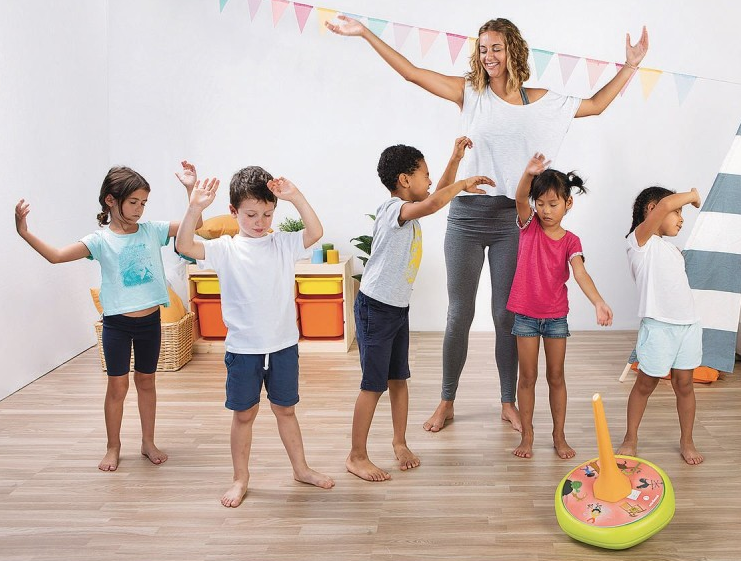
Mindfulness activities involve bringing attention to the present moment in a non-judgmental way. These practices can help students manage stress, improve concentration, and enhance emotional regulation. Incorporating mindfulness into the school routine can create a more focused and calm learning environment, benefiting both students and educators.
Benefits:
- Improves Focus and Attention: Regular mindfulness practice enhances students’ ability to concentrate and stay on task, which can improve academic performance.
- Reduces Stress and Anxiety: Mindfulness practices can lower stress and anxiety levels by promoting relaxation and reducing the physiological effects of stress.
- Enhances Emotional Regulation: Mindfulness helps students become more aware of their emotions and develop healthier ways to manage them.
- Promotes Self-Awareness: These activities encourage self-reflection, helping students understand their thoughts and behaviors better.
- Supports Mental Health: Mindfulness can reduce symptoms of depression and anxiety, contributing to overall mental well-being.
These are some of our favorite activites that are specific to mindfulness:
- Barefoot Books® Mindful Kids Activities (also comes in a Spanish Version)
- Mindful Kids Spinning Top Game
Calming Corners or Quiet Spaces
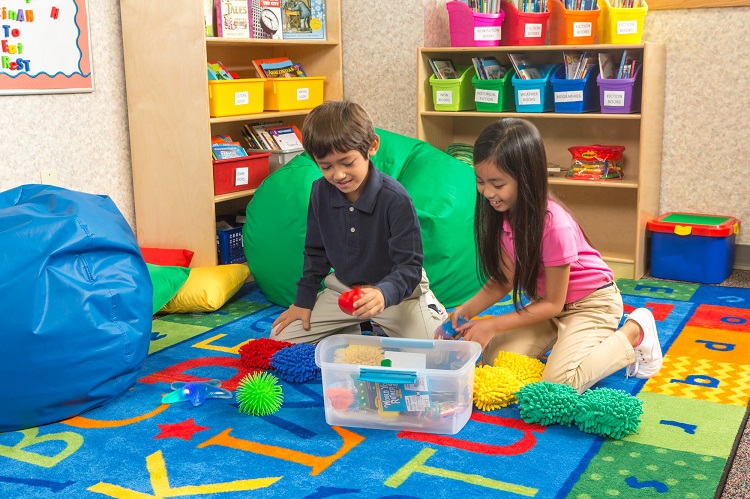
Calming corners, also known as quiet spaces or relaxation stations, are designated areas in the classroom or school where students can go to calm down, relax, and regain their composure. Creating a calming corner with comfortable seating, soft lighting, and calming tools can be a sanctuary for children needing a moment to themselves.
Benefits:
- Provides a Safe Retreat: A designated quiet space offers children a place to go when they need to de-stress.
- Encourages Self-Regulation: Children learn to recognize when they need a break and how to calm themselves. Calming corners teach students to recognize when they need a break and provide them with tools and strategies to self-regulate.
- Reduces Overwhelm: Having a calm, quiet area helps prevent sensory overload and emotional overwhelm. These spaces provide a refuge for students to decompress and manage their emotions during stressful times.
- Enhances Focus and Learning: By giving students a way to manage their stress and emotions, calming corners can help them return to learning activities more focused and ready to engage.
Implementing Calming Corners
1. Designate a Quiet Area
Choose a quiet area of the classroom or school that is away from high-traffic zones. This area should be comfortable and inviting, with:
- Soft Seating
- Carpets
- Storage for calming tools
- Room Dividers
2. Stock with Calming Tools
Provide a variety of calming tools and activities, such as:
Fidgets and Sensory Items: Stress balls, play-doh, tactile items, and other fidget items.
Comfort Items: Soft toys, blankets, and pillows to create a cozy environment.
Reflection Tools: Journals to color, drawing supplies, and emotion cards to help students express their feelings.
3. Teach Students How to Use the Space
Educate students on the purpose of the calming corner and how to use it effectively. Teach them strategies for recognizing when they need a break and how to use the tools available to them.
4. Monitor and Support
Monitor the use of the calming corner to ensure it is being used appropriately and effectively. Provide support and guidance to students who may need help in learning how to use the space.
View our page on Calming Corners for more resources and suggestions.
Fidgets and Sensory Items
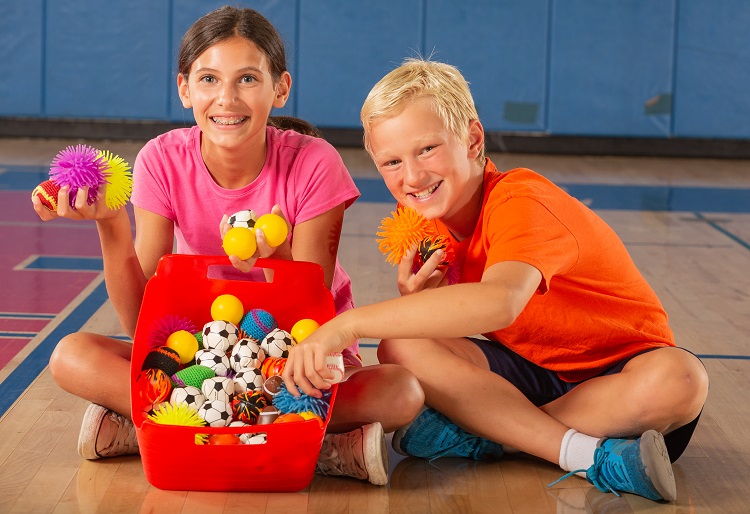
Fidgets and sensory items are valuable tools in supporting youth behavioral and mental health. These items can help students manage stress, stay focused, and self-regulate their emotions. Items such as stress balls, fidget spinners, or textured fabrics can be invaluable for children who need a tactile outlet to manage their emotions.
Benefits:
- Reduces Anxiety: Sensory items such as stress balls, putty, or textured fabrics can have a calming effect on students, helping them to manage anxiety and stress.
- Provides Comfort: Sensory tools can offer a sense of security and comfort.
- Improves Focus and Concentration: Fidgets can help students, especially those with ADHD or anxiety, to concentrate better by providing a physical outlet for their restlessness.
- Supports Self-Regulation: These tools enable students to self-soothe and regulate their emotions, leading to improved behavior and social interactions.
TYPES OF Fidgets and Sensory Items
1. Fidget Sets
Provide a selection of fidgets chosen specifically for teachers! These Fidget Boxes were created by teachers to help other teachers and parents create calm and improve productivity and overall well-being. Made from child-safe, non-toxic materials. All items in the Fidget Boxes meet US toy safety standards.

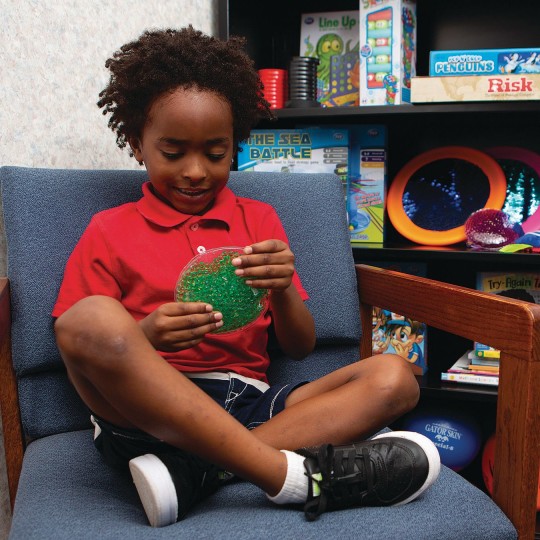
2. Tactile Sensory
Tactile items provide sensory stimulation that helps regulate emotions and reduce anxiety. These items, such as gel pads, kinetic sand, and squish discs can help children manage stress and improve focus by engaging their sense of touch.
3. Calming Kits
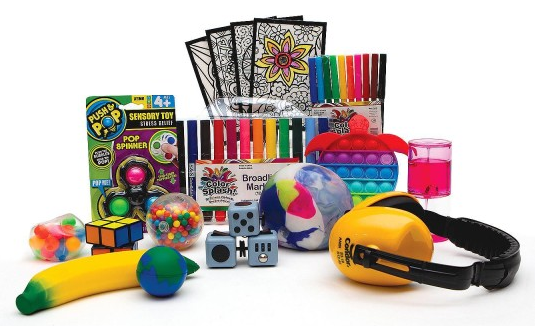
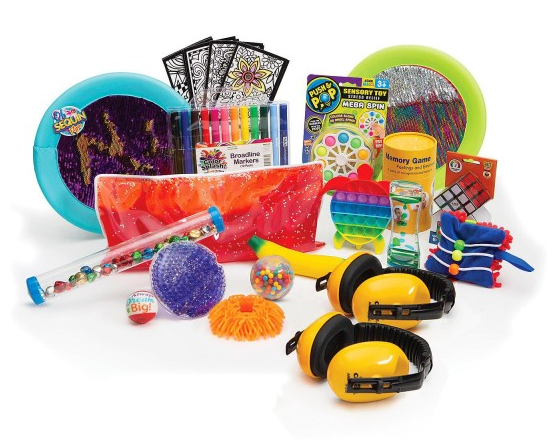
With our exclusive, specially designed Calming Kits, you can create a safe space that can help students calm down, de-stress, and relax, helping children strengthen resilience and persevere during times of stress or trauma. The Junior, Basic and Deluxe kits include an assortment of sensory and fidget toys, games, and activities to help children self-regulate emotions and develop calming techniques to reduce anxiety and stressors for better overall emotional resilience.
Art Therapy
Positivity and Kindness Crafts
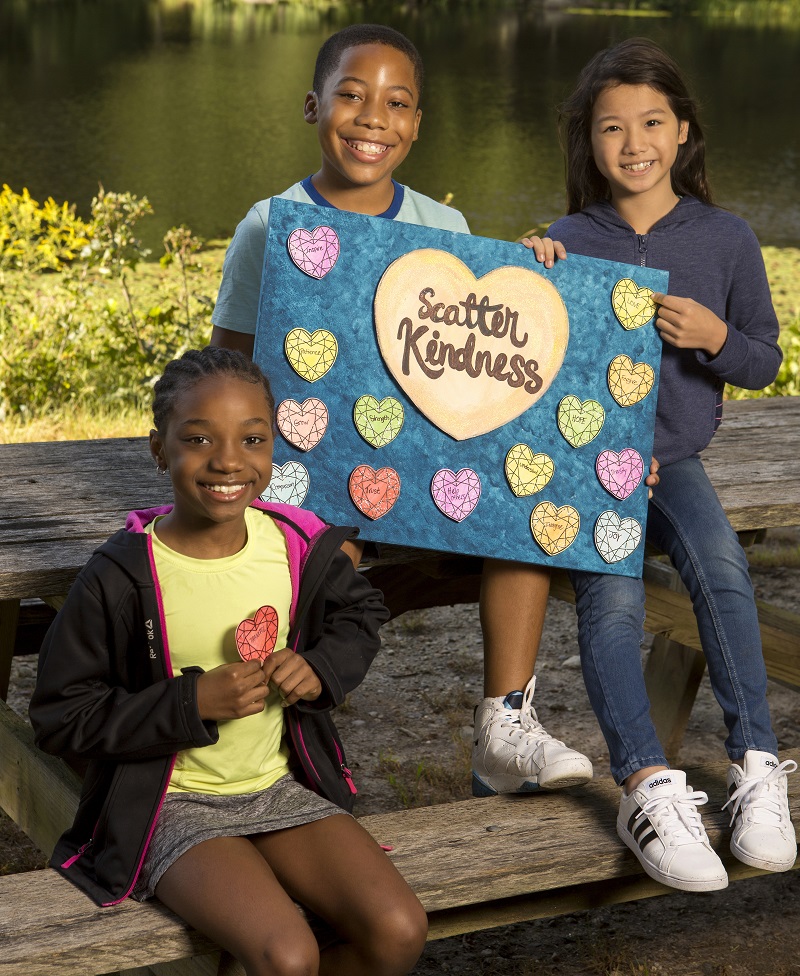
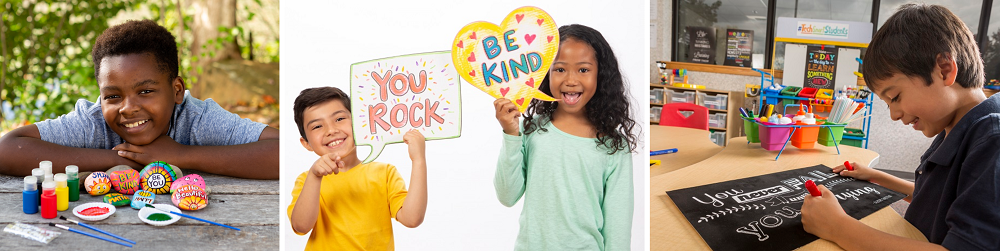
Art therapy, specifically focusing on positivity and kindness crafts, is a wonderful way to help students express their feelings, reduce stress, and build self-esteem. Projects like creating kindness rocks, positivity posters, or gratitude jars can be both therapeutic and fun, promoting emotional well-being through creativity.
Benefits:
- Encourages Self-Expression: Art provides a non-verbal outlet for expressing complex emotions.
- Builds Self-Esteem: Completing creative projects boosts confidence and a sense of accomplishment. Creating art that focuses on positive themes can help boost students’ self-esteem and encourage a more positive self-image.
- Fosters Positivity: Crafts focused on positivity and kindness encourage a positive mindset and altruism.
- Encourages Mindfulness: Art activities that involve repetitive actions, such as coloring or weaving, can promote mindfulness and reduce anxiety.
- Promotes Kindness and Empathy: Crafts that focus on kindness can encourage students to think about others and build empathy.
Implementing Positivity and Kindness Crafts
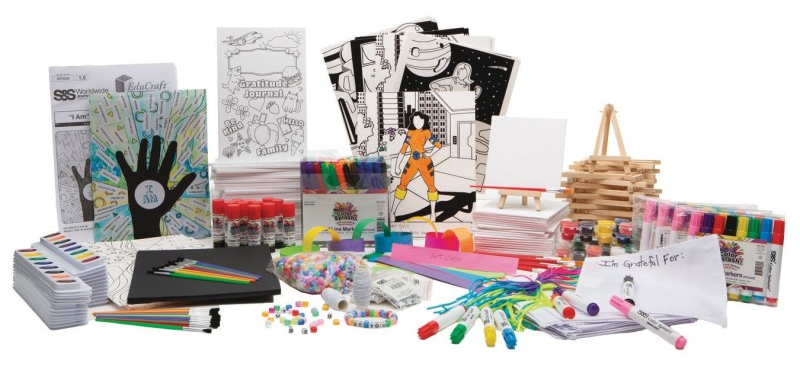
Featuring our new and exclusive Express Yourself Kit designed to promote positive values, self-awareness, kindness & gratitude. Kids can explore art as a therapeutic tool for emotional and behavioral development. The kit includes 7 art activities in a tote with an activity guide.
1. Kindness Rocks
Students can paint rocks with positive messages or uplifting designs and place them around the school or community. This activity not only promotes creativity but also spreads kindness and positivity.
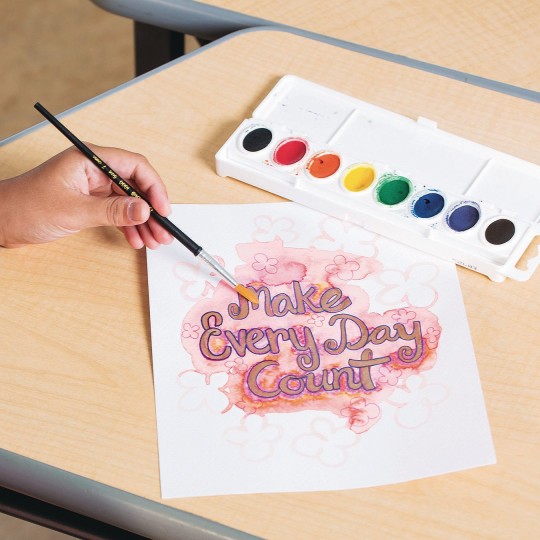
2. Positive Crafts
Spread positivity in your program with themed crafts and activities that spread good vibes throughout your school and your community.
- Scratch and Sniff Stickers
- Velvet Art Positive Word Stickers
- Magnets
- Beads (for DIY)
- Bracelets
- Necklace
- Paint Palettes
- Watercolor
- Wood Plaques
3. Positive Posters
Hang posters with positive messages in your classroom as a consitent reminder to motivate and encourage your group to be kind and help others. Many of our positive poster options can be colored and decorated!
- Velvet Art Positive Posters (plus check out these mini posters!)
- What’s Your Mindset Posters
- Bulletin Board Posters
- Braver Stronger Smarter Poster
- Inspirational Door Hangers
4. Color-Me
Our Color-Me items are a blank canvas waiting to be personalized! Kids can use these items to stand up for a cause, spread messages of positivity, and create awareness on important topics, like mental health and wellness.
5. Accessories
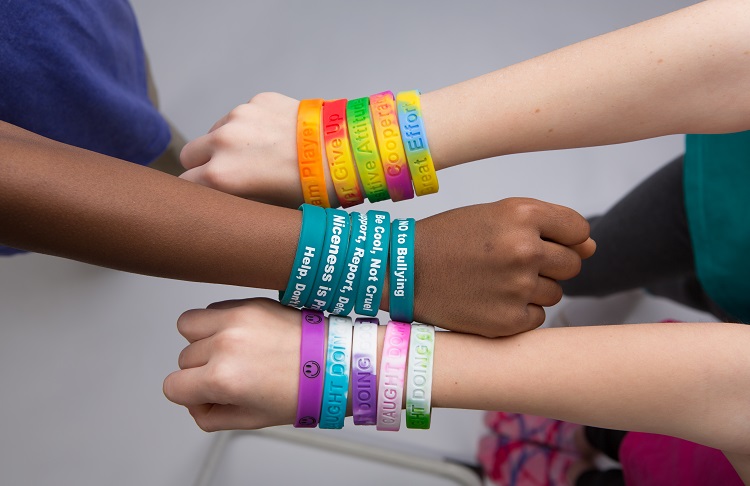
Fun wearables for kids! Accessories like positive pencils and silicone bracelets with inspirational messages such as “Be Kind” are beneficial for the classroom as they promote a positive and encouraging environment, boost students’ morale, and reinforce the values of kindness and perseverance.
Reflecting Through Gratitude Journals
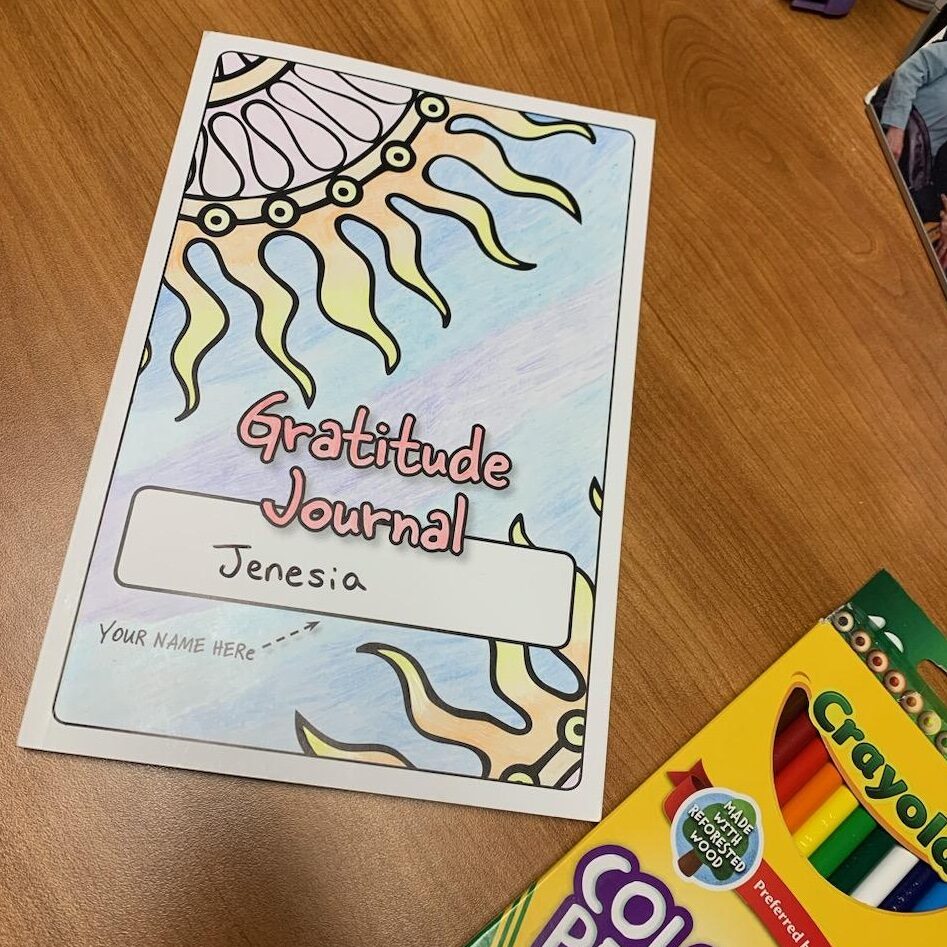
Encourage students to keep a daily or weekly gratitude journal where they can write about things they appreciate. This simple practice can have profound effects on their mindset and emotional well-being. We love these journals because kids can decorate the front and back covers and also color inside of the journals.
Gratitude Journals for Kids & Teens
Benefits:
- Increases Positivity: Regularly noting things they are grateful for helps children focus on the positive aspects of their lives.
- Enhances Self-Awareness: Reflective writing encourages introspection and self-discovery.
- Reduces Stress: Gratitude practices have been shown to reduce stress and improve overall mental health.
Collaborative Art
Fostering Connection and Expression
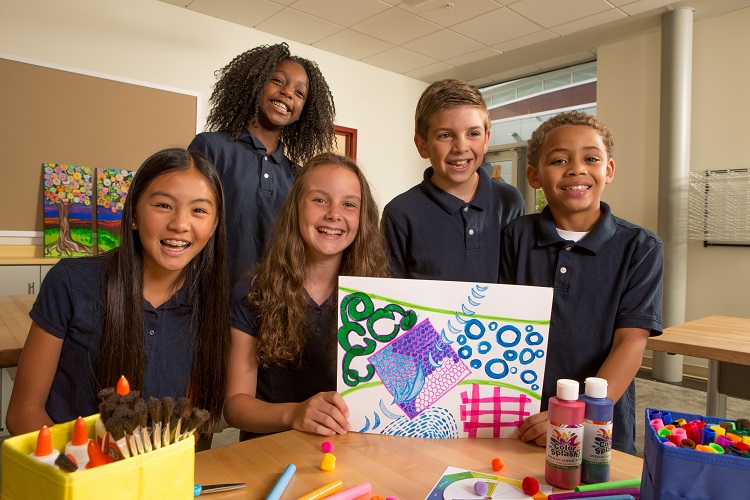
Collaborative art projects can be a powerful tool for improving youth behavioral and mental health. These activities allow students to express themselves creatively while working together to create something meaningful.
Benefits of Collaborative Art
- Encourages Teamwork: Collaborative art projects require students to work together, fostering communication and cooperation.
- Promotes Inclusivity: These projects can bring together students from diverse backgrounds, promoting a sense of community and shared purpose.
- Supports Emotional Expression: Art provides a non-verbal outlet for expressing complex emotions, which can be particularly beneficial for students who struggle to articulate their feelings.
Implementing Collaborative Art Projects
1. Sticker Mosaics
These sticker mosaics can be an excellent way for students to work together on a large-scale project. This can help foster a sense of pride and ownership in the school community. Eeryone works together to place the stickers to create the full image.

2. Quilt and Banner Projects
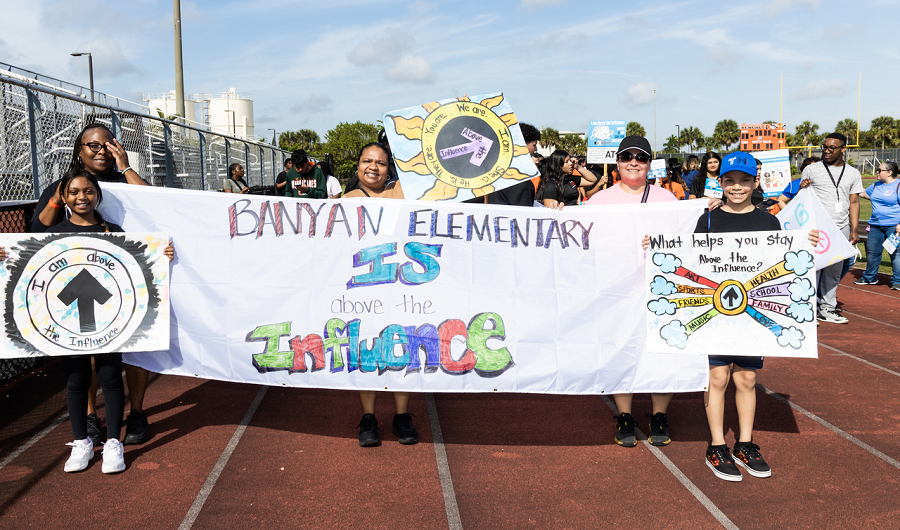
Creating a quilt or banner allows each student to design a piece that represents themselves or a specific theme. These pieces are then sewn or assembled together, symbolizing unity and collective effort.
3. Kindness and Peace
Combine efforts to make a thoughtful piece of artwork! Whether it’s a canvas craft to spread a kindness message or a velvet art word collage for spreading peace, these craft kits come with all supplies needed along with a guide.
View Alll Collaborative Art projects here >
Bully Prevention: Creating a Safe and Supportive Environment
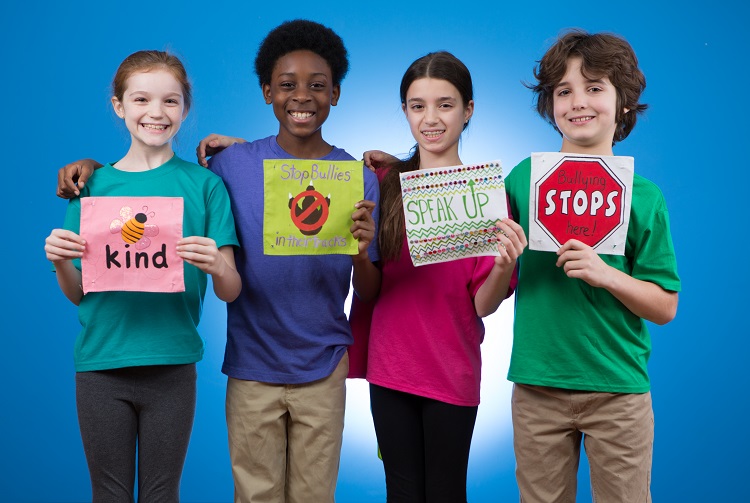
Bullying remains a significant issue in schools, contributing to stress and mental health problems among youth. Effective bully prevention strategies are crucial for creating a safe and supportive learning environment.
Benefits of Bully Prevention Programs
- Reduces Stress and Anxiety: Effective bullying prevention can decrease the levels of stress and anxiety among students, creating a more positive school climate.
- Improves Academic Performance: Students who feel safe and supported are more likely to perform well academically.
- Promotes Inclusivity and Respect: Bullying prevention programs foster a culture of inclusivity and respect, helping students from diverse backgrounds feel valued and accepted.
Resources
- Anti-Bullying Craft Activity – Empowering Kids to Advocate for A Cause
- Bullying Prevention Using Dramatic & Cooperative Play
- Collaborative Bullying Prevention Activities
- Superhero Theme for Bullying Prevention Month
- Preventing Bullying with the Toss-n-Talk About Ball
- 7 Tips to Help You Prevent Bullying!
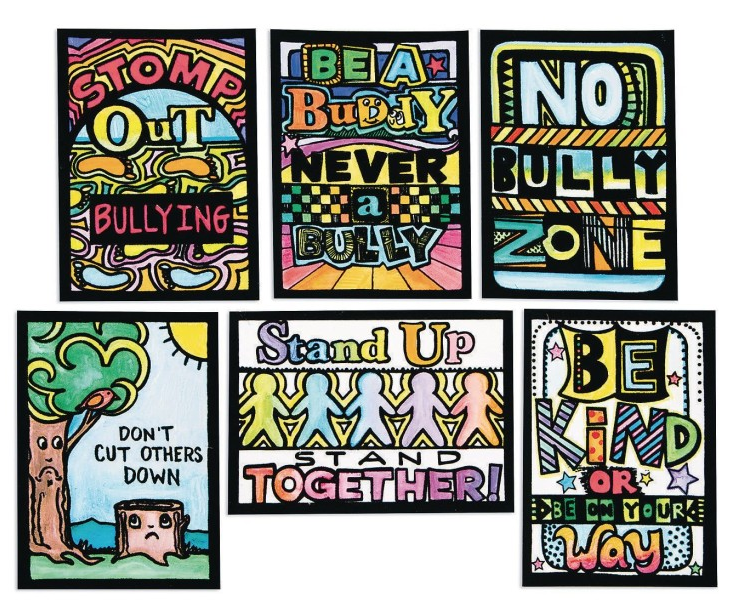
Featuring our Anti-Bully Velvet Art Mini Posters!
Team Building Activities
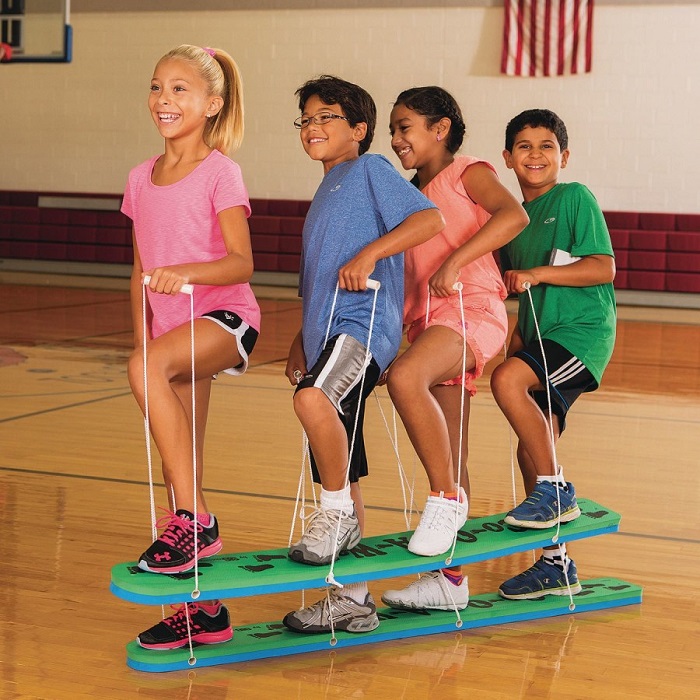
Team building activities are an essential part of promoting youth behavioral and mental health. These activities help students develop social skills, build trust, and work collaboratively, which can reduce stress and improve overall well-being. Activities like group games, collaborative projects, or problem-solving tasks can help children develop important social and cognitive skills in a supportive environment.
Benefits:
- Strengthens Social Bonds: Team activities build trust and camaraderie among participants.
- Enhances Communication: Working together on projects improves communication skills. Team building activities require students to communicate effectively, which can improve their interpersonal skills and reduce misunderstandings.
- Develops Problem-Solving Skills: Team building challenges often require students to think critically and solve problems together, which can enhance their cognitive abilities and resilience.
- Builds Trust and Cooperation: These activities help students learn to trust and rely on one another, fostering a sense of community and support.
- Reduces Stress: Engaging in fun and cooperative activities can be a great way to relieve stress and promote a positive school environment.
Implementing TEAM BUILDING Activities
1. Trust Exercises & Group Challenges
Activities such as blindfolded obstacle courses or partner walks can help students build trust and learn to rely on their peers. Have students try a few group challenges that require cooperation and problem-solving. These activities encourage teamwork and communication..
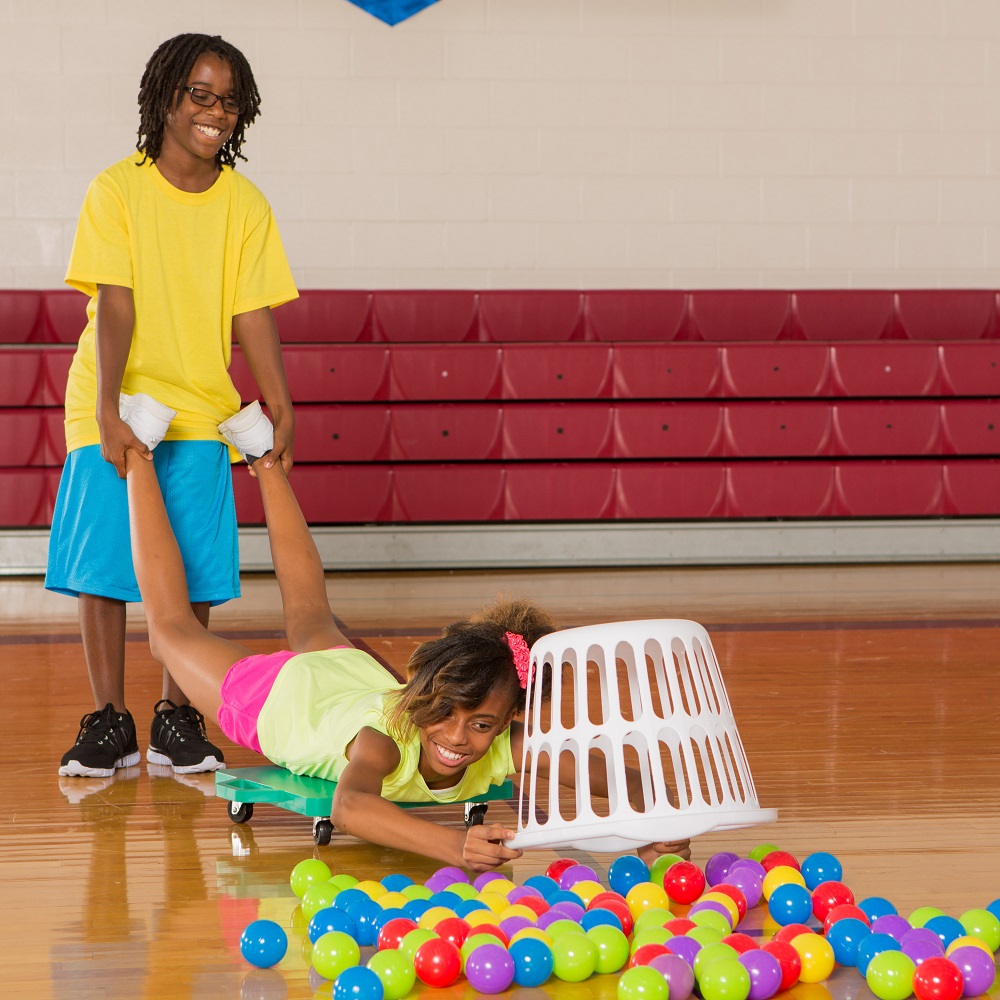
2. Collaborative Games
Incorporate collaborative games like scavenger hunts or group board games. These games are fun and promote a sense of unity and shared goals.
3. Reflection and Discussion
After team-building activities, facilitate a reflection session where students can discuss what they learned about cooperation, trust, and communication. This helps reinforce the skills they have practiced and allows them to express their thoughts and feelings.
View all Team Building Resources here >
PE & Outdoor Activities
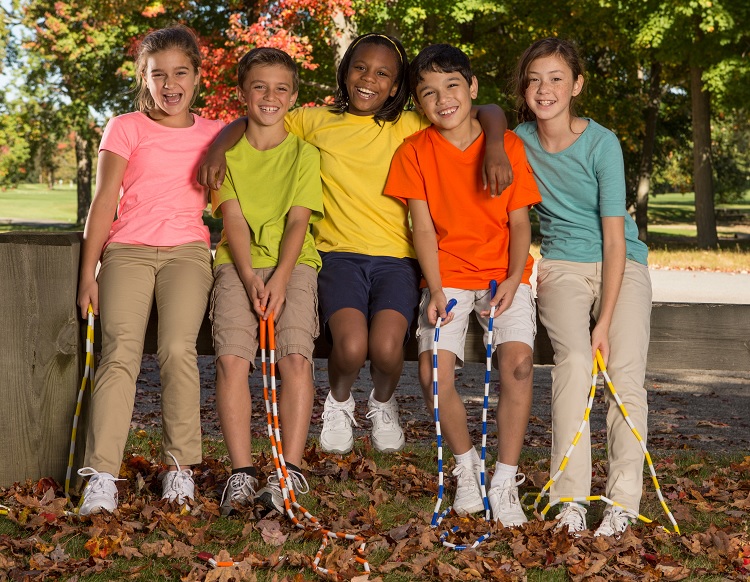
Incorporating outdoor activities into the school curriculum and afterschool programs can provide students with much-needed physical exercise and a break from indoor settings. Outdoor activities can reduce stress, improve mood, and promote overall well-being. Plan activities like nature walks, outdoor sports, or gardening to help children reap the physical and mental benefits of spending time outside.
Benefits:
- Promotes Physical Health: Outdoor activities encourage exercise and physical well-being. Regular physical activity is essential for maintaining physical health. Outdoor activities encourage students to be active, improving cardiovascular health, strength, and overall fitness.
- Reduces Stress and Anxiety: Spending time in nature has been shown to lower cortisol levels and reduce stress and anxiety. The natural environment provides a sense of calm and relaxation.
- Enhances Social Skills: Outdoor play provides opportunities for social interaction and cooperation. Outdoor activities often involve group participation, promoting social interaction and teamwork among students.
- Improves Mood and Mental Health: Outdoor activities can enhance mood and reduce symptoms of depression and anxiety. Exposure to sunlight increases the production of serotonin, a hormone that boosts mood.
- Enhances Focus and Cognitive Function: Nature-based activities can improve attention and cognitive function. Students often return to the classroom more focused and ready to learn after spending time outdoors.
Implementing Outdoor Activities
1. Sports and Games
Introduce a variety of outdoor sports and games, such as parachute games, jump rope warm ups, and hula hoop games, or classic games like soccer and pickleball. These activities encourage physical fitness, teamwork, and friendly competition. Ensure that students have access to proper equipment and safe playing areas.
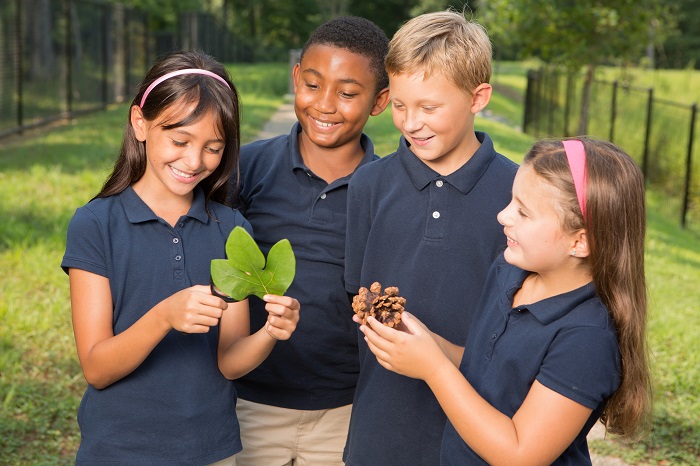
2. Nature Walks and Hikes
Organize nature walks and hikes in nearby parks or nature reserves. These activities allow students to explore the natural environment, observe wildlife, and enjoy the benefits of physical exercise. Nature walks can also be combined with educational activities, such as identifying plants and animals or learning about ecosystems.
3. Gardening Projects
Create a school garden where students can participate in planting, tending, and harvesting fruits, vegetables, and flowers. Gardening teaches responsibility, patience, and the importance of caring for the environment. It also provides a sense of accomplishment and connection to nature.
Yoga
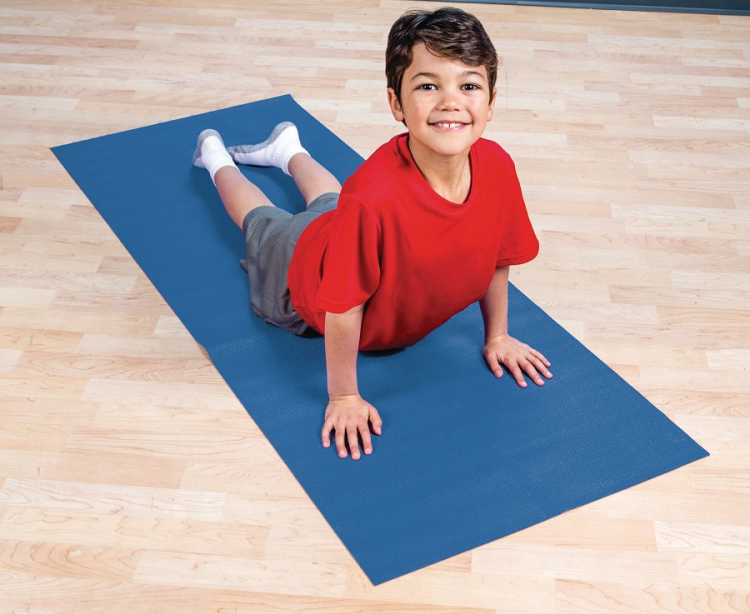
Integrating simple yoga routines into the school day or afterschool program can help children relax and re-center, promoting both physical and mental health. Teach students breathing exercises, meditation techniques, and simple yoga poses.
View all Yoga Resources here >
Benefits:
- Improves Physical Health: Yoga enhances flexibility, strength, and overall physical fitness.
- Reduces Stress: The combination of physical activity and mindfulness in yoga helps reduce stress.
- Enhances Emotional Regulation: Regular yoga practice helps children manage their emotions more effectively.
Exclusive Kits
S&S Worldwide has developed exclusive kits such as “Start the Conversation Night,” “Express Yourself Art Activities,” and “Calming Kits” that include a variety of products and resources designed to support mental health and wellness. These kits are tailored to facilitate open discussions, encourage creative expression, and provide calming tools that help students manage stress and anxiety. By integrating these kits into school programs, educators can create a supportive environment that addresses the emotional and psychological needs of students. This proactive approach not only enhances students’ well-being but also promotes a more positive and inclusive school culture, ultimately benefiting both individual students and the larger school community.
“Start the Conversation” Night Kit to Support Emotional Wellness & Mental Health
Meets the needs of 50 children and Packed in a reusable tub for portability and convenience
“Start the Conversation” Kit to Support Emotional Wellness, Behavioral & Mental Health in Schools
Express YourSELF! – 7 Therapeutic Art Activities for 24 Kids
Includes 7 art activities for 24 elementary-aged kids in a tote with an activity guide
Calming Kits – Tools and Resources for Calm Down Corners and Quiet Spaces
Includes calming items and activities with resource guide. Choose between junior, basic, and deluxe versions.
By integrating these activities into school and afterschool programs, we can create a nurturing environment that supports the behavioral and mental health of our youth. Each of these strategies offers unique benefits, contributing to a holistic approach to emotional and psychological well-being.
The Growing Problem of Stress Among Youth: Key Studies
1. American Psychological Association (APA) Stress in America™ Survey
The APA’s annual Stress in America™ survey provides comprehensive insights into the stress levels of American youth. The 2018 survey highlighted alarming trends:
- High Stress Levels: Teens reported stress levels that exceeded those of adults, with 45% of teens indicating they were stressed “a lot” during the school year.
- Sources of Stress: School was identified as the leading source of stress, with 83% of teens citing academic pressure as a significant stressor.
- Impact on Health: The survey also found that stressed teens were more likely to experience negative health outcomes, such as sleep disturbances, headaches, and changes in eating habits.
2. National Institute of Mental Health (NIMH) Report on Adolescent Mental Health
A report from the NIMH underscores the prevalence and impact of stress-related mental health issues among adolescents:
- Prevalence of Disorders: Approximately 31.9% of adolescents have an anxiety disorder, with the onset typically occurring around age 6.
- Chronic Stress: Chronic stress during adolescence has been linked to long-term mental health issues, including depression and anxiety, which can persist into adulthood.
- School Performance: High levels of stress negatively affect academic performance, leading to lower grades and higher dropout rates.
3. CDC’s Youth Risk Behavior Surveillance System (YRBSS)
The CDC’s YRBSS monitors health-risk behaviors among youth, providing valuable data on stress and its effects:
- Prevalence of Stress: The 2019 YRBSS reported that 36.7% of high school students felt persistent sadness or hopelessness, often a sign of chronic stress.
- Impact on Behavior: Stress is linked to risky behaviors such as substance abuse and self-harm. The survey found that 18.8% of students seriously considered attempting suicide in the past year, highlighting the severe impact of stress on mental health.
- Academic Consequences: Students experiencing high stress levels were more likely to report poor academic performance and lower engagement in school activities.
Boys & Girls Clubs of America: Youth Right Now Survey
The Boys & Girls Clubs of America conducted the Youth Right Now survey, revealing crucial insights into the mental health and stress levels of today’s youth:
- High Levels of Stress: The survey found that 61% of youth reported feeling significant levels of stress, with academic pressure and social dynamics being primary stressors.
- Mental Health Concerns: Over 40% of respondents indicated that they have experienced mental health challenges, including anxiety and depression, in the past year.
- Need for Support: The survey highlighted that 70% of youth believe schools should provide more resources and support for mental health, underscoring the critical role educational institutions play in addressing these issues.
Conclusion
These studies clearly demonstrate that stress is a major issue affecting today’s youth, with significant implications for their mental and physical health. Schools, therefore, have a critical role in providing the necessary support and resources to help students manage stress effectively. By incorporating mental health education and supportive activities into their programs, schools can create a nurturing environment that promotes the overall well-being of their students.
Find more resources on our page below:


Pingback: Conversation Cards to Promote Student Group Discussions - S&S Blog