

We all know that regular physical activity helps kids grow stronger, stay healthy, and develop lifelong fitness habits. But what many people don’t realize is that movement also plays an important role in helping students focus, stay on task, and succeed in the classroom.
Why Movement Matters for Learning
When students move their bodies, they’re not just building muscles, they’re also activating their minds. Physical activity increases circulation, sending more oxygen and nutrients to the brain. This boost can help students concentrate, process information more effectively, and feel more prepared to take on academic challenges.
Studies have found that exercise supports memory, attention span, and emotional regulation. When kids are active, their brains release feel-good chemicals like endorphins, which can reduce stress, ease anxiety, and lift their mood. That calmer mindset can help them settle into learning with more confidence and fewer distractions.
Additionally, movement supports the development of the hippocampus, the part of the brain essential for learning and memory. More movement means more brainpower!
Building Movement into the School Day
Incorporating physical activity doesn’t require taking up a lot of time. Small, intentional moments of movement throughout the day can make a big impact on student engagement, behavior, and academic performance. Here are some movement strategies that you can use to improve behavior and learning:
1) Active Brain Breaks
Short, intentional movement breaks help students recharge and refocus. Think walking laps around the room, doing a few stretches, or playing a quick freeze dance game. Just a couple of minutes can make a big difference in how students re-engage with learning.
Tools to Try:
- Exercise Dice – Roll the dice and let chance decide which fun exercise students will perform.
- Numbered Spot Dice – Students roll the foam dice, then hop, jump, or move to the matching numbered spot. Combines movement with number recognition and gross motor skills.
2) Kinesthetic Learning
Hands-on, movement-rich lessons make abstract ideas easier to understand. From acting out a story to building a science model, kinesthetic learning allows students to use their bodies to explore concepts, making lessons more memorable and fun.
- Jumbo Match-ercise Game – Combines memory and movement in a large-format matching game that gets kids thinking and moving.
- Speed Stacks – Use the Giant Version for big energy breaks or the Standard Set for small group competitions and motor skill development. Builds hand-eye coordination, sequencing, and timing. Challenge students to stack after answering questions, or create patterns that relate to math or spelling for added learning integration.
3) Movement-Based Instruction
Adding movement into core subjects can bring lessons to life. Movement-based instruction blends physical activity with core lessons in math, reading, science, and more. It taps into kinesthetic learning styles, increases participation, and helps make abstract concepts more concrete.
- Act-It-Out Vocabulary or Concepts – Turn new terms or concepts into charades. Students act them out while others guess – great for science, SEL, or reading comprehension.
- Toss Challenges – Use super safe Puff Balls to create an academic toss game. Toss the ball onto numbered spots to solve math problems, land on vocabulary prompts, or spell sight words. Perfect for indoors, these soft pom balls are fun and safe for all ages – Safe and colorful for tossing, catching, or cooperative games indoors.
- Strategy Games – Play a round of Giant Tic Tac Toe with a twist: Answer a question or solve a problem before placing your piece. This encourages strategy, review, and active participation all in one. Combines strategy and movement in a quick and active game.
- Math Fact Relays – Set up “stations” around the room. In teams, students solve a problem, then run (or skip) to the next station. Keeps energy up and minds sharp.
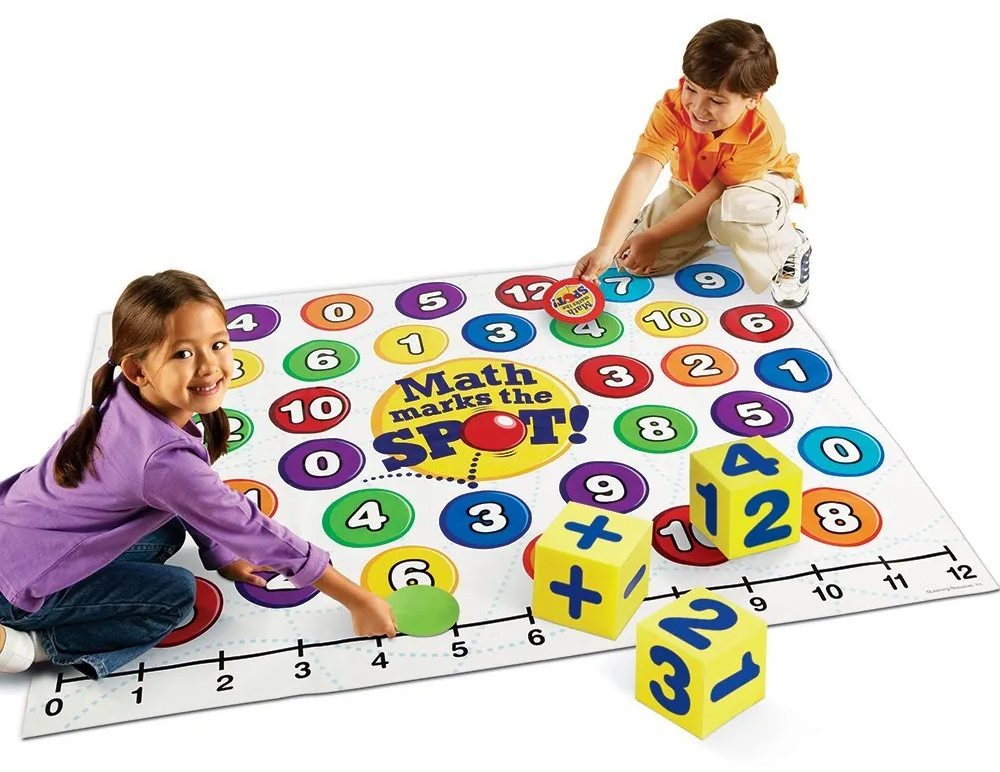
- Math Marks the Spot Game – Encourages students to move to correct answers on an interactive, floor-based mat.
The Benefits of Movement for Students
Once movement becomes part of your classroom routine, you’ll begin to see the lasting impact it can have on student behavior, engagement, and learning.
Supporting Positive Behavior
Movement helps students channel their energy in healthy ways, reducing restlessness and minimizing disruptions. Creating opportunities to move throughout the day contributes to a calmer, more cooperative classroom environment.
Enhancing Focus and Memory
Kids who move more tend to pay better attention and stay on task longer. Movement stimulates brain activity, which helps improve memory recall and focus especially in students who struggle with impulsivity or staying still for long periods.
Boosting Engagement and Motivation
A lesson that gets students up and moving can feel more like play than work. This naturally encourages greater participation and excitement about learning.
Promoting Social-Emotional Growth
Movement-based activities can also support social development by encouraging teamwork, cooperation, and communication. Activities like partner walks or group games give students space to connect, share, and work together all while reducing stress and anxiety.
Easy Movement Activities to Try
Here are a few simple ways to get students moving while supporting classroom goals:
Four Corners: Pose a question with four possible answers. Each corner of the room represents one answer, and students walk to the one they choose.
- Colored Cone Covers – to clearly label each corner by color, number, or letter.
- Floor Marking Tape – to define boundaries or sections for movement games.
Stand and Talk: Pair students up with someone across the room to discuss a topic, then rotate for a new partner.
- Toss ‘n Talk Ball – Get to Know You – Students catch and answer the prompt under their thumb to spark conversation.
- Toss ‘n Talk SEL Balls – Explore other versions to tie in content or social-emotional skills.
Brain Gym: Use a series of movement-based exercises designed to improve brain coordination and focus.
- Superhero Exercise Cards – Fun themed activities that often include balance, reaching, and midline-crossing actions perfect for Brain Gym-style movement.
Yoga Breaks: A few calming poses can help students refocus and regulate emotions.
- Yoga Cards – Use calming poses to help students transition or regulate emotions during the day.
Walking Meditation: A slow, intentional walk can promote mindfulness and reflection during transitions or after recess.
- Directional Arrow Spot Markers – Use them to create a visible walking path for students to follow mindfully.
- Footprint Spot Markers – Reinforce movement sequences while promoting calm and focus.
Movement Makes a Difference
When educators make room for movement, they’re not just helping students stay active, they are laying the foundation for better behavior, stronger focus, and improved academic performance. Whether it’s through structured brain breaks, kinesthetic lessons, or fun classroom activities, movement can transform how students experience learning.


Pingback: August Printable Fitness Challenge Calendar - S&S Blog