

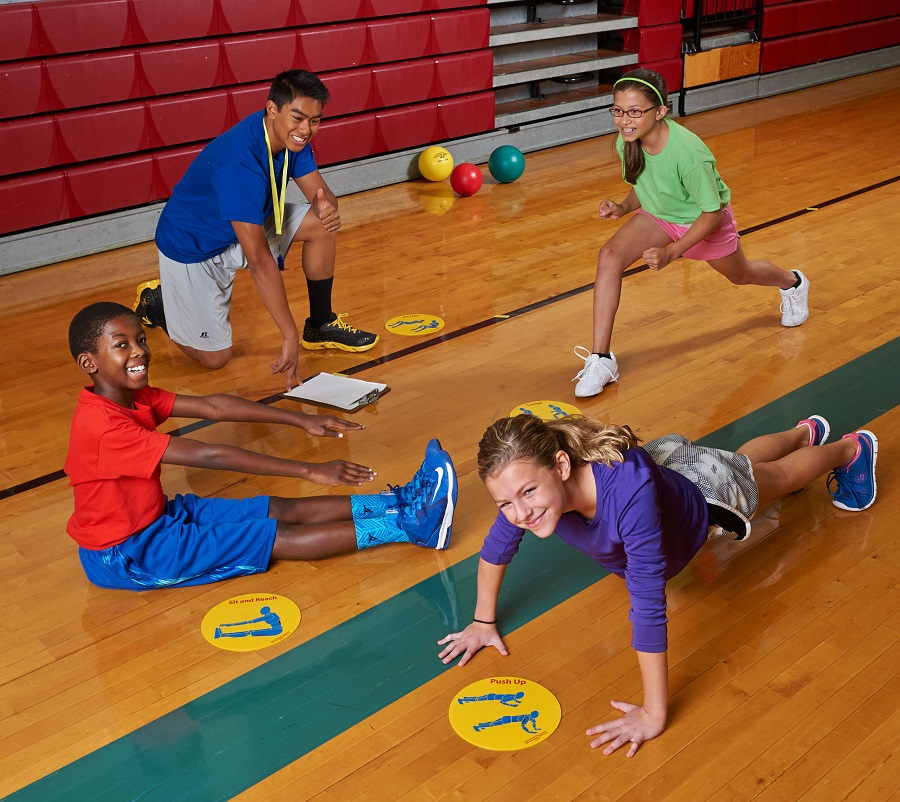
When we think about physical education, we often picture students running laps, playing games, or mastering a new sport. But beyond movement and fitness, PE offers something just as powerful: the chance to teach essential life skills that shape how students show up in the classroom and in life.
PE as a Life Skills Lab
PE is a natural setting for students to develop perseverance, goal-setting, teamwork, and problem-solving. These are foundational skills that fuel academic achievement, emotional well-being, and lifelong confidence. Through movement and play, students experience real-time challenges and learn how to navigate them with courage and creativity.
Here’s a closer look at how life skills come alive through PE:
1) Teamwork and Social Connection
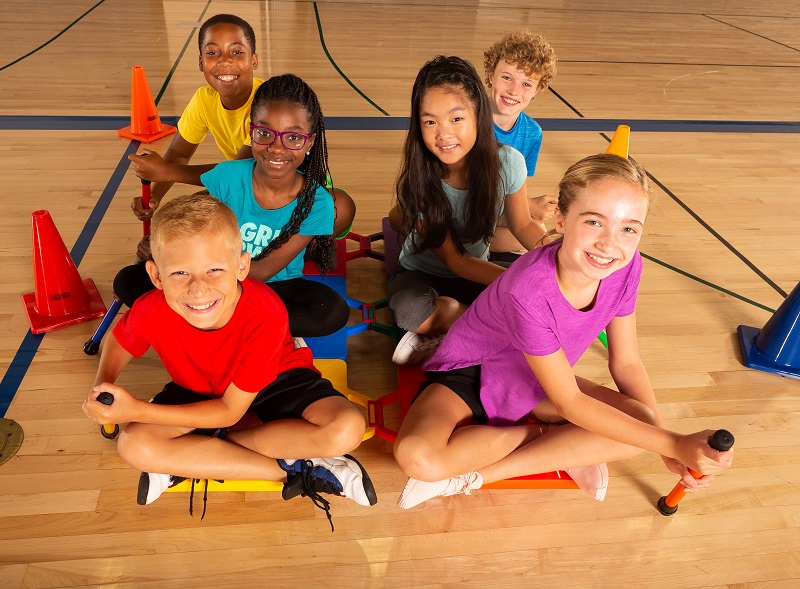
From relay races to group challenges, PE encourages students to work together toward shared goals. They practice cooperation, build trust, and learn how to support and rely on one another. These are important for strong relationships in and out of school.
2) Problem-Solving and Critical Thinking
Games and sports naturally present obstacles and decisions. Should I pass or shoot? What strategy works best for this challenge? These moments push students to think critically, adapt, and find solutions.
3) Perseverance and Goal-Setting
Whether they’re trying to master a new skill or improve their performance, PE gives students the chance to set goals, track progress, and bounce back from setbacks. Learning how to keep going especially when something is hard is a lesson they’ll use far beyond the gym.
4) Leadership and Responsibility
PE gives students a platform to lead warm-ups, organize teams, or help others learn a new skill. These leadership opportunities build confidence and show students the value of stepping up and contributing to a group.
5) Emotional Regulation and Stress Relief
Movement helps students feel better. Physical activity releases endorphins that reduce stress and improve mood. PE becomes a space where students can reset emotionally, helping them return to class more focused and ready to learn.
6) Self-Discipline and Accountability
Following game rules, managing equipment, and staying focused on tasks help build responsibility and self-control. These habits lay the groundwork for success in academics and everyday life.
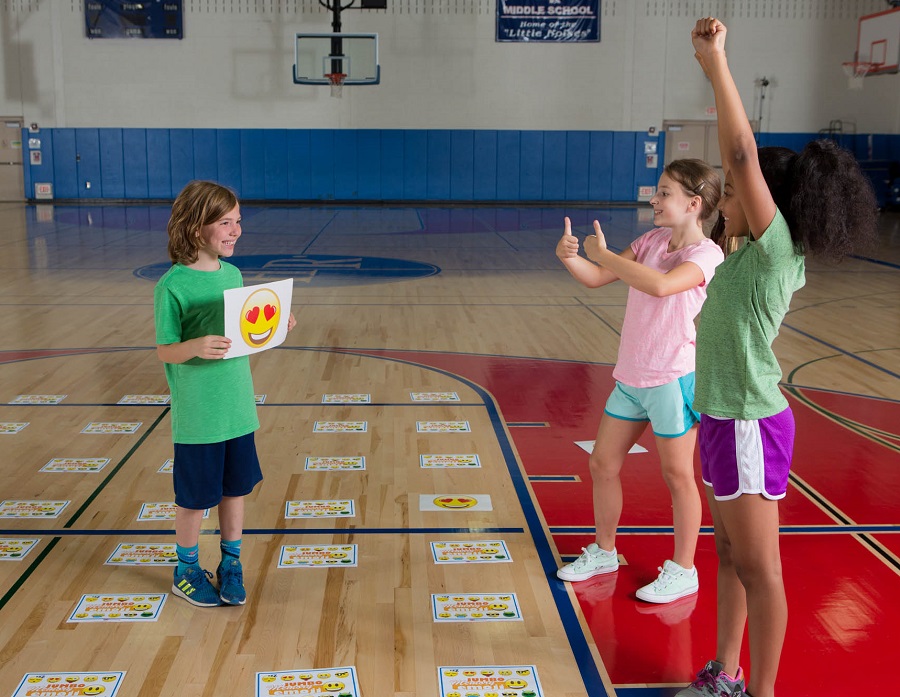
Strategies for Bringing Life Skills into PE
To make the most of PE’s potential, educators can weave life skills into their lessons with purpose and intention:
- Teach It Directly: Don’t leave life skills to chance. Introduce concepts like collaboration, perseverance, or conflict resolution just like any physical skill. Reinforce these skills throughout the activity, and celebrate when you see students demonstrating them.
- Create Space to Reflect: After a game or activity, ask students what they learned about themselves or their team, and how they can use that skill elsewhere. Ask open-ended questions like:
-
- What did you learn about yourself today?
-
- How did your team work together?
-
- What was challenging, and how did you handle it?
-
- How can you use this skill in the classroom or at home?
This reflection time transforms physical activities into teachable moments and strengthens the connection between physical and personal growth.
- Use Group-Based Activities: Teamwork is one of the most natural life skills developed in PE. Activities that require collaboration such as team challenges, cooperative games, and peer-led stations promote communication and collaboration. Assign rotating roles (like leader, encourager, or strategist) to make sure all students experience different aspects of teamwork.
- Make It Relevant: Students are more likely to engage and retain life skills when they understand their real-world value. Help them make connections by drawing connections between sports and real-life challenges. Help students see how what they’re learning applies beyond the gym.
- Differentiate for All Learners: Every student comes into PE with different abilities, needs, and comfort levels. To ensure all students can grow and develop life skills, adapt activities to meet them where they are. This might mean modifying rules, offering alternative roles (like scorekeeper, timekeeper, or motivator), or adjusting equipment. For example, if a student has physical limitations, they can still participate in a leadership or strategy role within their team
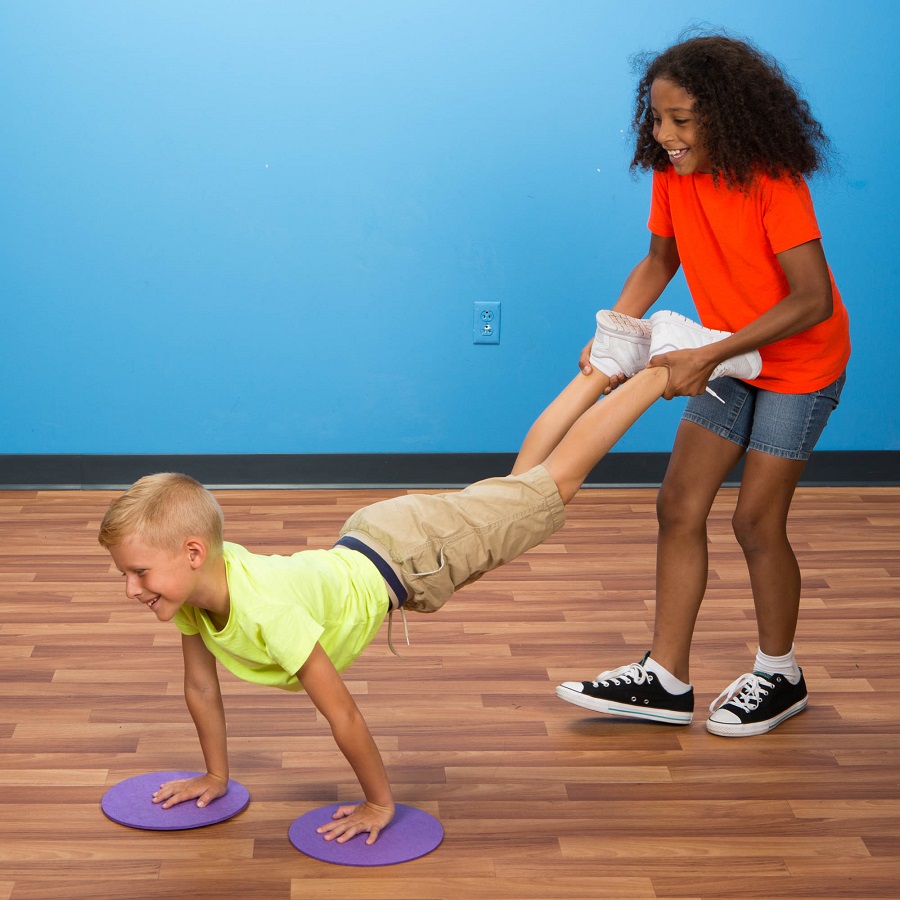
From the Field to the Future
The lessons students learn in PE don’t end when the whistle blows. With the right approach, PE becomes a powerful space for growth where students learn not only how to move, but how to lead, think, persist, and connect. These are the life skills that support success in the classroom and beyond and it all starts with movement.
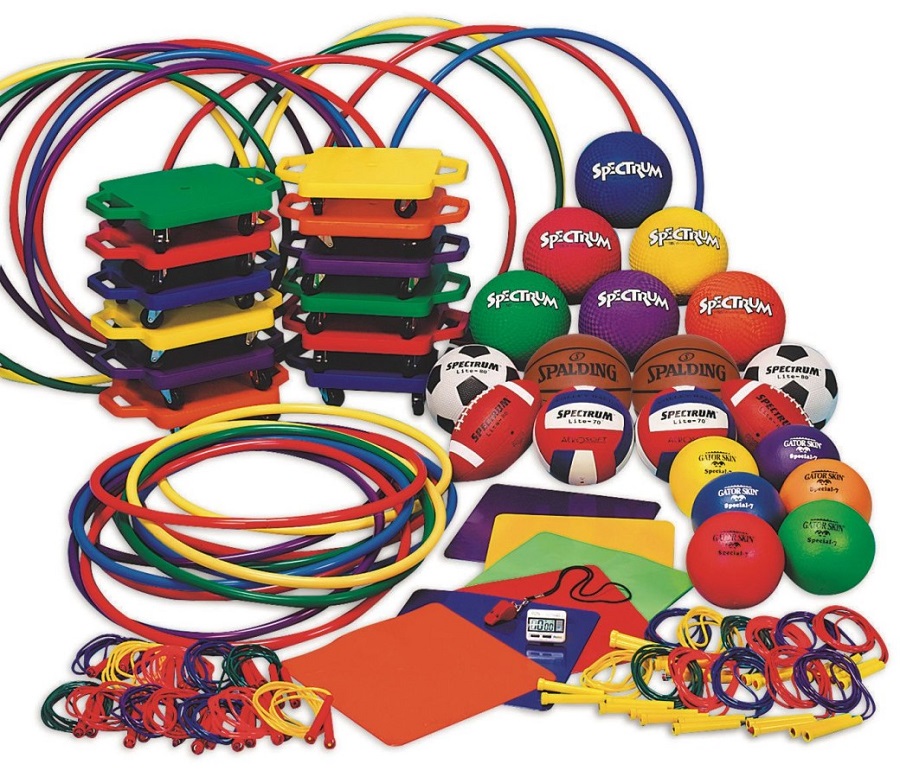
Need an easy way to shop PE essentials? Check out our Sports & PE Easy Packs – filled with materials you’ll need for Back to School!
- Recreation Easy Pack
- Youth Sports Ball Easy Pack
- Intermediate Sports Ball Easy Pack
- Cone and Spot Marker Easy Pack
- Hoops and Hoop Clips Easy Pack
- Super Spot Marker Easy Pack
- K-5 PE Essentials Pack
Shop all Sports & PE Easy Packs here >



Pingback: August Printable Fitness Challenge Calendar - S&S Blog