

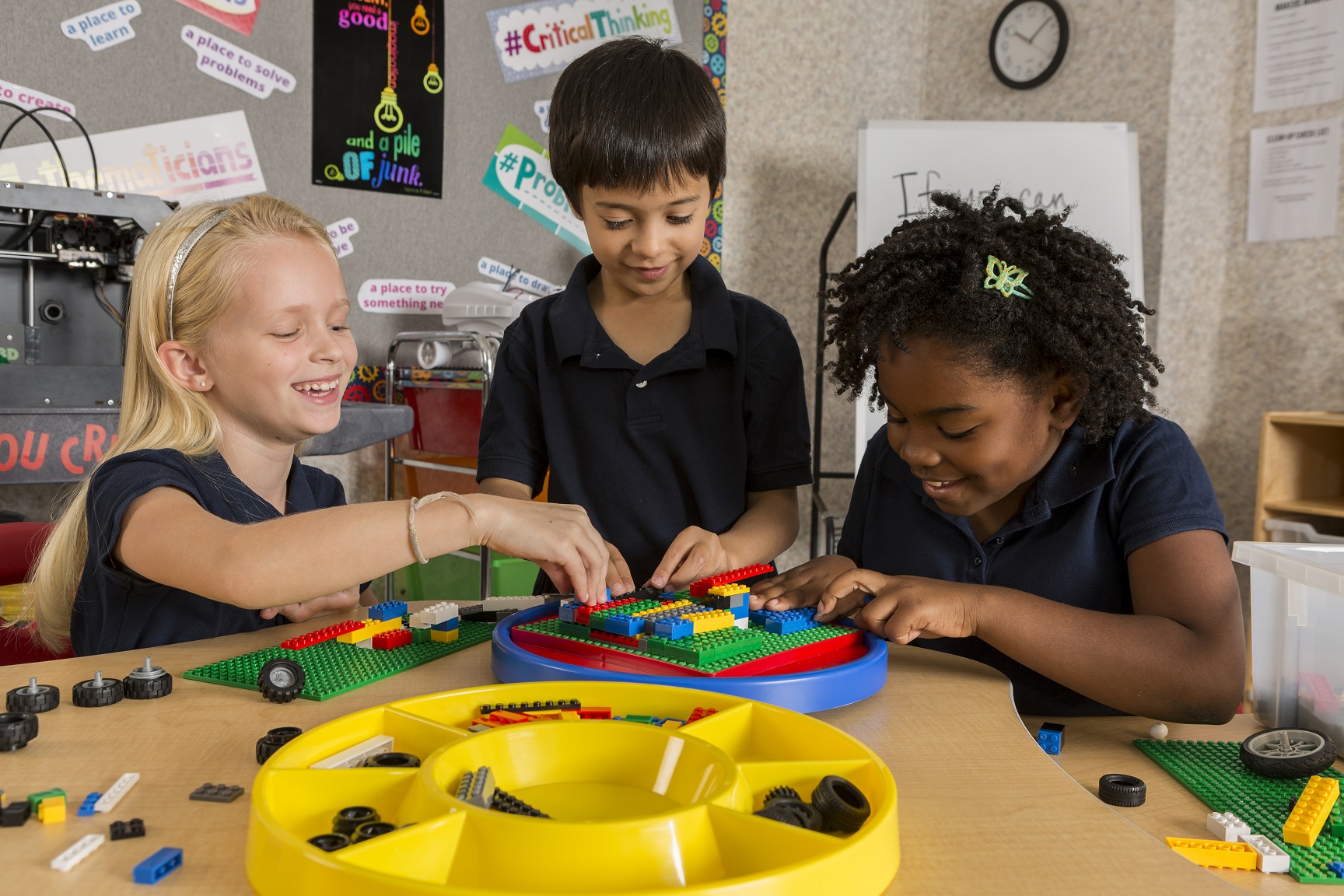
We all remember the simplicity of traditional toys like matchbox cars, toy soldiers, picture books, Lego, and games like Candy Land. Now, kids have the option of electronic toys like learning tablets, remote control robots, and electronic readers. The technology era has advanced toys from generation to generation, yet there’s still something timeless (and essential) about hands-on, imaginative play.
Why Traditional Toys Still Matter
In today’s digital age, screens often compete for children’s attention. But research continues to show that traditional toys play a key role in supporting healthy childhood development. Unlike electronic gadgets, which can sometimes limit back-and-forth interaction, traditional toys invite conversation, creativity, and collaboration both with caregivers and other children.
A study published in JAMA Pediatrics found that parents and children spoke more words per minute when playing with traditional toys or books compared to electronic ones. When the toy “does the talking,” parents may engage less, missing valuable opportunities to build language and connection.
The Benefits of Traditional Toys
Motor Skills
Stacking blocks, turning puzzle pieces, or dressing dolls helps children develop fine motor skills and dexterity. These small actions strengthen hand muscles and prepare kids for everyday tasks like writing, tying shoelaces, or buttoning clothes.
Try: Wooden blocks, peg puzzles, ring stackers, or dress-up dolls.
Hand-Eye Coordination
Building towers, threading beads, or fitting shapes into the right spots teaches coordination and precision which are key skills that support everything from sports to handwriting later on.
Try: Nesting cups, magnetic tiles, shape sorters, and building sets.
Cognitive Development
Open-ended toys encourage children to problem-solve, experiment, and imagine. Whether pretending to cook in a play kitchen or constructing a cardboard castle, kids learn by exploring cause and effect and imitating real life.
Try: Play kitchens, train sets, construction kits, or even simple cardboard boxes.
Social and Emotional Growth
Playing with others helps children practice sharing, cooperation, and empathy. Board games, pretend play, and team-based activities teach important lessons about taking turns, managing emotions, and resolving conflicts.
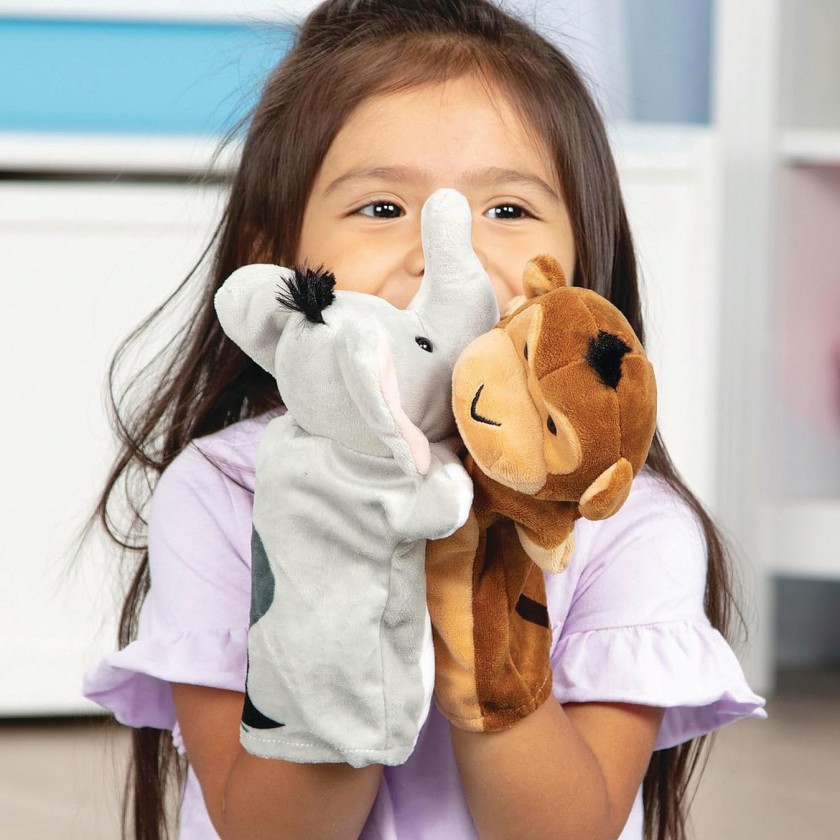
Try: Dolls, puppets, plush animals, and classic board games.
Sensory Exploration
Tactile experiences like touching different textures, stacking, sorting, and building stimulate children’s senses and promote active learning. Sensory-rich play also helps them process and respond to their environment.
Try: Sand and water play, bean bags, soft toys, and craft supplies like play-doh or textured paper.
Creative Play
Creative activities allow children to express themselves freely and explore their imagination. Making art, music, or even using household items as pretend props helps kids develop confidence and inventiveness.
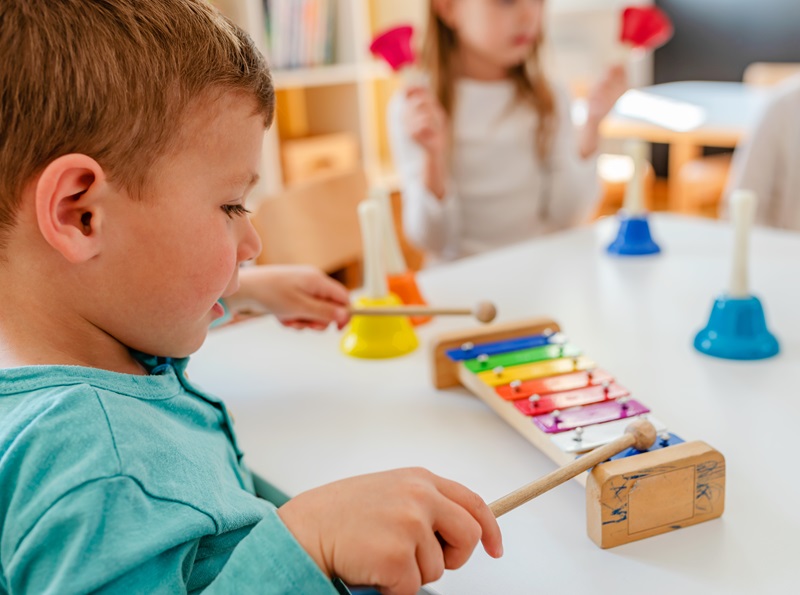
Try: Art and craft materials, musical instruments, and everyday items like pots and pans.
Finding Balance in Play
There’s no denying that technology can be educational and fun but balance should be given importance. Encouraging kids to spend time with traditional toys nurtures essential skills that screens simply can’t replace. These classic play experiences foster imagination, connection, and joy which are all building blocks for lifelong learning and development.
So, dust off the board games, set up a family puzzle night, and rediscover the magic of simple, hands-on play.
Explore more toys that support every stage of childhood development here >





Very informative. Thanks for your article