As educators know, in today’s classrooms students are facing more than academic challenges – they’re managing emotional stress, social pressure, and uncertainty about the world around them. That’s why creating calm, supportive learning environments is more critical than ever.
There are several small yet intentional changes that can make a big impact on how students show up and succeed, whether you are a principal working on school-wide well-being initiatives, a teacher striving to support every learner, or a counselor helping students navigate emotional challenges
Why Mental Health Support in Schools Is Non-Negotiable
Students spend a significant portion of their lives at school, making it one of the most influential environments for their overall well-being. Beyond academics, it’s where they build relationships, develop a sense of identity, and navigate everyday stressors – both big and small!
As mental health challenges become more common among young people, schools have a unique opportunity and responsibility to provide safe, supportive spaces that nurture emotional wellness alongside learning.
Here are some of the key factors contributing to the rise in student mental health concerns:
- Lingering Pandemic Effects – Many students are still processing the emotional disruptions caused by COVID-19, including grief, isolation, and interrupted routines.
- Cyberbullying & Social Media Pressure – Online environments often feed anxiety, comparison, and disconnection, impacting students’ self-worth, sense of belonging, and overall mental well-being.
- Safety & School Violence – The rise in school-related violence has heightened feelings of fear and anxiety, making it harder for students and educators to feel secure.
- Home-Life Instability – Trauma or challenges outside the classroom, such as family instability, loss, or abuse, often manifest in the classroom and affect focus, behavior, and emotional health.
With so many influences at play, it’s essential to support the students not just academically, but emotionally and socially, too.
8 Ways to Build a Calmer, More Supportive Classroom Environment
Creating a calm and welcoming classroom doesn’t require a full curriculum overhaul. It starts with intentional, everyday actions and the right tools. Here are eight powerful strategies:
1. Train Educators to Recognize and Respond
Professional development equips teachers and staff to spot early signs of distress and respond with empathy. Building this awareness and sensitivity can transform your school culture.
2. Integrate SEL into the Day
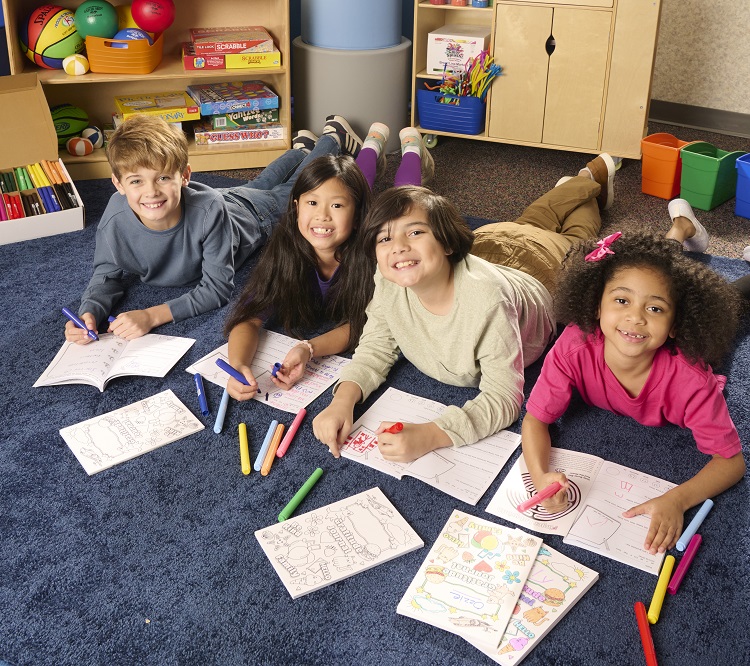
Intentional Social and Emotional Learning (SEL) sessions provide students with meaningful opportunities to understand their emotions, strengthen self-awareness, and cultivate empathy. Integrating SEL into the school day helps nurture emotional intelligence and resilience over time.
3. Encourage Peer Support
Peer mentoring programs help students feel seen and supported. Activities that promote teamwork and active listening can nurture strong student connections.
4. Use Quick Mood Check-Ins
Simple daily check-ins allow students to share how they’re feeling, helping educators catch issues early. Try incorporating visual aids or mood meters—tools that give students language to express their emotions.
5. Gather Insight with Well-Being Surveys
School-wide surveys provide valuable insights into student well-being, helping educators design more responsive and inclusive support systems. By using data-driven approaches, schools can amplify students’ voices and tailor programs to meet real, evolving needs.
6. Focus on Student Strengths
Helping students identify their personal strengths builds resilience and boosts confidence. Use character-building activities and kits that highlight leadership, kindness, and problem-solving.
7. Make Support Visible and Accessible
Make sure students know how to access help. Normalize help-seeking by posting clear visuals on where students can go for support – whether it’s a counselor, a tip line, or a classroom calming corner.
8. Create Calming Corners with Purpose
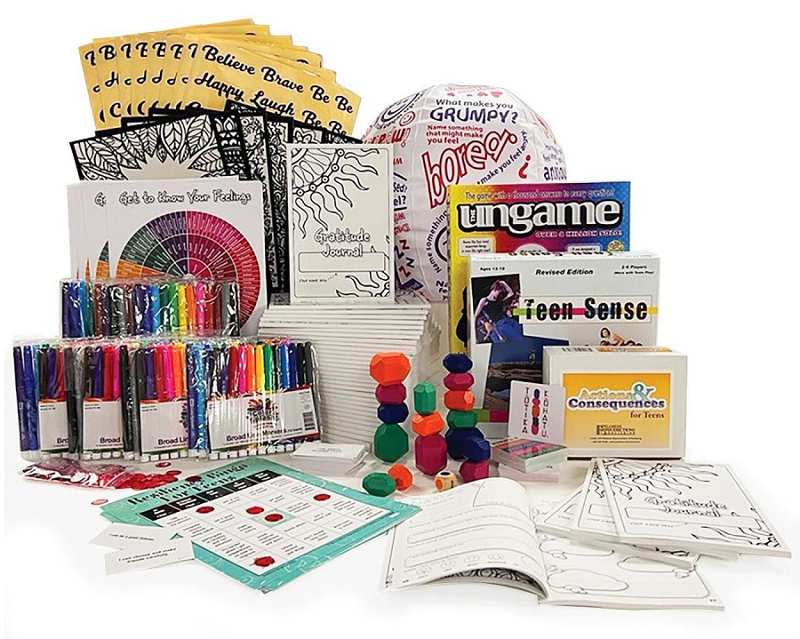
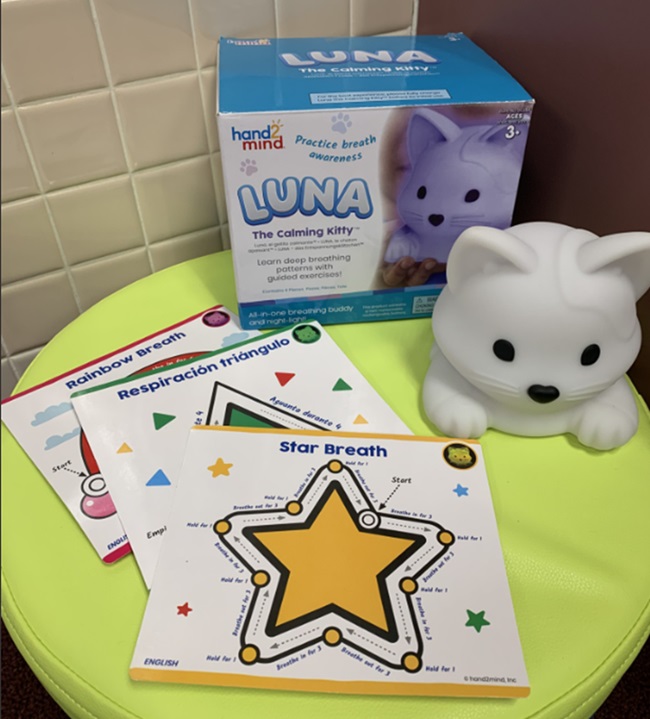
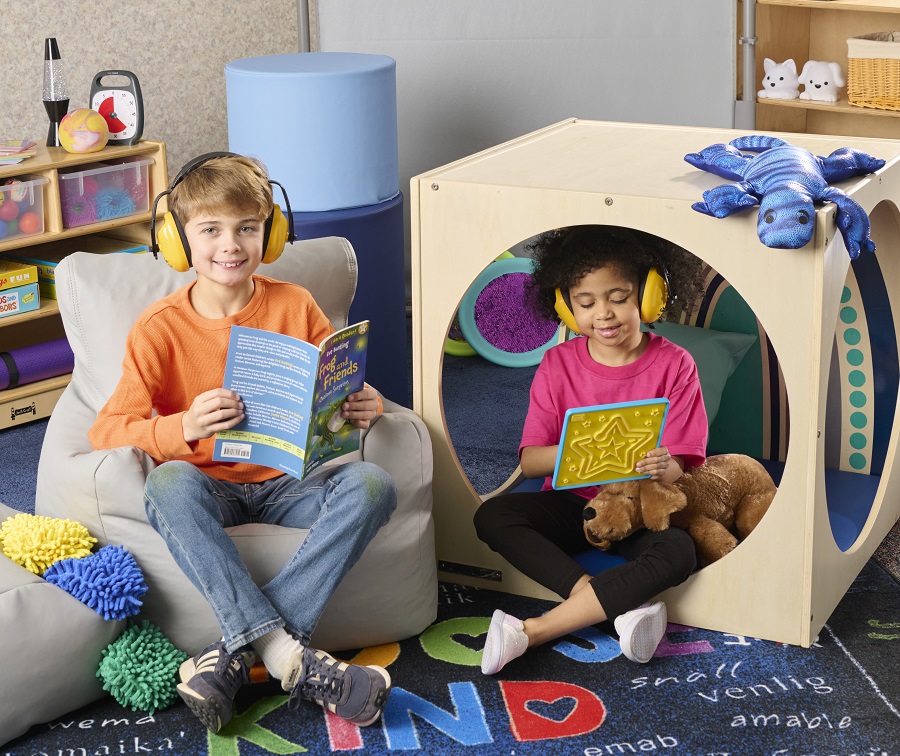
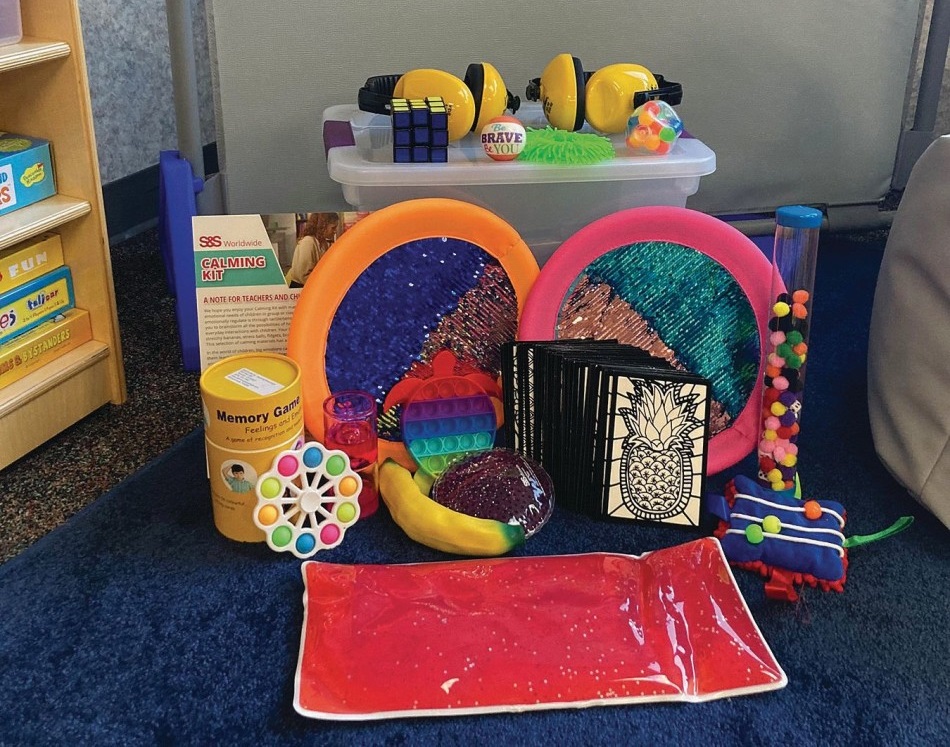
Designate quiet classroom spaces with cozy seating, calming visuals, fidget tools, sensory resources, and mindfulness kits. These spaces offer students a safe place to reset, regulate emotions, and return to learning with focus.
A well-stocked calming corner isn’t just a “nice to have”—it’s a powerful tool to reduce classroom disruptions, support students with sensory needs, and promote emotional independence.
Ready to Build Your Calm Classroom?
You may be starting small with a few fidget tools, or revamping a full calming corner. Either way, we’ve got you covered! We have exclusive ready-to-go Calming Kits and SEL Kits, or you can browse individual sensory tools to create the right mix for your classroom or counseling space.
Explore all of our Calming Corner Resources here >
Support student mental health with the tools that make a difference, because every child deserves a space to feel safe, seen, and supported.