

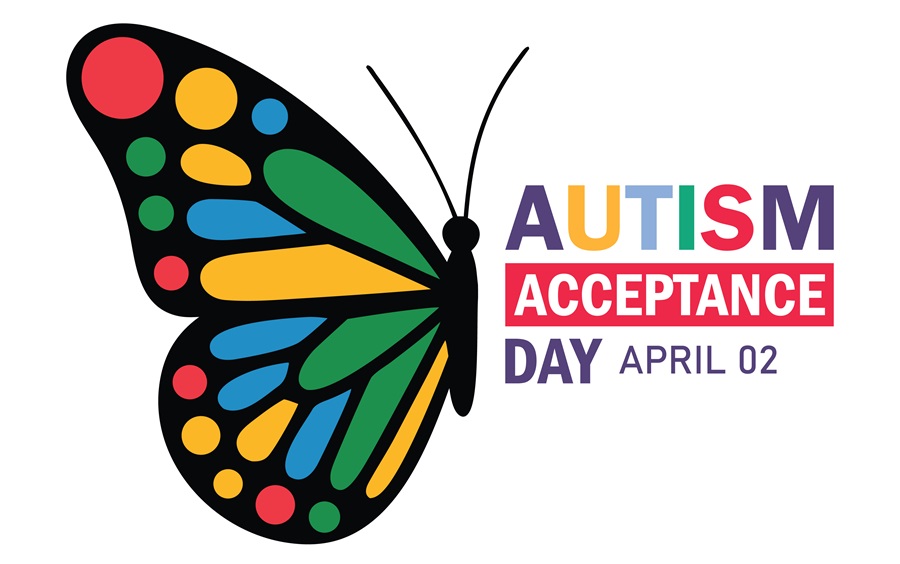
Each year, April 2 is recognized as World Autism Awareness Day, and April is often observed as a time to support greater understanding of autism. Today, many schools, families, and organizations also use this time to focus on autism acceptance, encouraging not only awareness, but also inclusion, understanding, and respect.
For educators, youth program leaders, and caregivers, this can be a meaningful opportunity to help children learn that every person experiences the world differently, and that those differences should be valued.
Why Autism Acceptance Matters
Autism is a developmental difference that can affect communication, social interaction, sensory processing, behavior, and learning. Because autism presents differently from one person to another, every autistic child or adult may have different strengths, interests, needs, and ways of engaging with the world.
That’s why conversations around autism should go beyond simply “being aware.” Children benefit from learning how to:
- Respect differences
- Practice kindness and patience
- Understand that not everyone communicates, plays, learns, or self-regulates in the same way
- Create spaces where everyone feels welcome
These are lessons that support not just autistic children, but all children.
How to Talk to Kids About Autism Acceptance
When discussing autism with children, keep the message simple and age-appropriate. You might explain that some people communicate differently, some may be more sensitive to sounds, lights, or textures, and some may need extra time, support, or routine.
A helpful message to reinforce is that different does not mean less.
This can also be a great opportunity to encourage children to think about what it means to be a good friend or classmate. Small actions like including others in activities, being patient, listening, and respecting personal space can help create more welcoming classrooms and programs for everyone.
Easy Autism Acceptance Activities for Kids
If you’re looking for simple ways to recognize Autism Acceptance Day or Autism Acceptance Month in your classroom, afterschool program, or camp, these ideas can help spark meaningful conversations while keeping children engaged.
Read Books That Celebrate Differences
Books can be a powerful way to introduce conversations about empathy, friendship, communication, and understanding. Reading together gives children an accessible way to think about how everyone learns, feels, and experiences the world differently.
After reading, you can open up a simple discussion with questions like:
- What makes each person unique?
- How can we help others feel included?
- What are some ways we can show kindness?
You can also support this kind of reflection with quiet reading corners or calming spaces that help children feel comfortable and ready to engage.
Create a Kindness or Inclusion Wall
Invite children to write or draw ways they can help make their classroom or program a welcoming place for everyone. This can become a meaningful group display and a visual reminder of how small actions can make a big difference.
Prompts might include:
- “I can be a good friend by…”
- “I help others feel included when I…”
- “One thing that makes me unique is…”
This activity keeps the focus on belonging, kindness, and celebrating differences in a positive, age-appropriate way.
To make the activity more interactive, you can pair it with stickers, dry erase boards, or simple classroom discussion tools that help children participate in ways that feel comfortable for them.
Offer Sensory-Friendly Activities
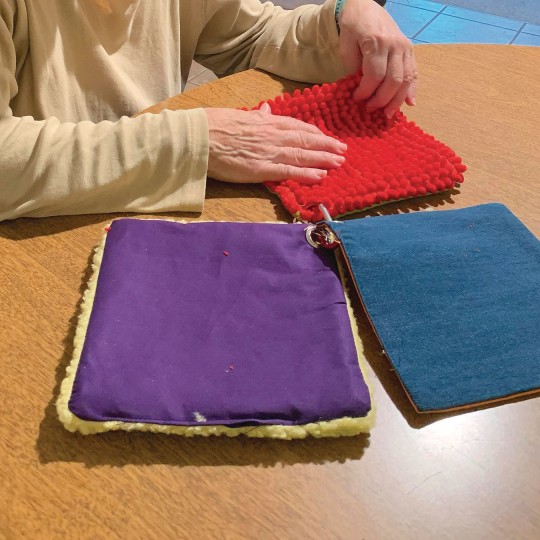
Hands-on sensory activities can be calming, engaging, and supportive for many children. Offering a variety of activity types also helps create a more flexible and inclusive environment where children can participate in ways that feel comfortable for them.
Ideas may include:
- Tactile art projects
- Sensory bins
- Quiet movement breaks
- Calming table activities
- Breathing or mindfulness exercises
This is also a great place to introduce fidget items, sensory tools, or calming resources that can help support self-regulation throughout the day. In classrooms or shared spaces, having a ready-to-use calming kit available can be especially helpful for creating a dedicated calm-down corner or quiet area for students who need a reset. S&S positions its calming kits for calm-down corners and quiet spaces, with tactile tools, breathing prompts, and visual supports designed to help students self-regulate and refocus.
Practice Simple Breathing and Mindfulness Breaks
Short mindfulness moments can be a helpful way to introduce self-regulation strategies to children in a way that feels approachable and easy to implement.
You might try:
- Tracing breathing patterns
- Guided breathing
- Stretching
- Quiet sensory breaks
- Short calming routines between activities
This is where tools like breathing boards, timers, or calming cards can be useful for helping children understand what to do and making transitions feel more predictable.
Make an Autism Acceptance Craft
A themed craft can be a simple way to encourage creativity while supporting conversations about kindness, understanding, and inclusion.
If you already have a printable resource, this is a great place to feature it:
Looking for an easy activity to do with your group?
Try our Autism Acceptance Puzzle Piece Fuse Bead Pattern as a hands-on project that can support conversations about celebrating differences and creating a welcoming community.

You could also pair this activity with fine motor materials or colorful craft supplies to help make the experience more accessible and engaging for different learners.
Encourage Inclusive Play
Games and group activities can be a great way to help children practice teamwork, flexibility, and inclusion. Look for activities that offer multiple ways to participate so children can join in at their own comfort level.
You might try:
- Cooperative games
- Partner activities
- Turn-taking games
- Movement stations
- Collaborative art or building challenges
This is also a great opportunity to think about the environment itself. Some children may benefit from visual structure, quieter play choices, fidget supports, or noise-reducing options during group activities so they can participate in ways that feel successful and comfortable.
The goal is not perfection, it’s helping children learn how to include, support, and encourage one another.
Creating More Inclusive Spaces Every Day
Recognizing Autism Acceptance Day is a meaningful starting point, but the most lasting impact often comes from the small choices made every day.
Simple supports can help create more welcoming environments, such as:
- Offering quiet spaces
- Using visual supports
- Providing sensory tools
- Building predictable routines
- Allowing flexible participation
- Modeling patience and respect
Even small additions as mentioned in this article, like calming kits, sensory tools, fidgets, breathing supports, visual schedules, or flexible seating and quiet activity options can help make classrooms and programs feel more supportive for a wider range of learners.
When children see adults creating respectful, supportive spaces, they begin to learn how to do the same for others.
A Simple Reminder Worth Sharing
Autism Acceptance Day can be a meaningful opportunity to remind children of something important:
Everyone deserves to feel seen, respected, and included.
When we help children understand and appreciate differences early on, we help build kinder classrooms, stronger communities, and more supportive programs for everyone.
Related Resource:
Looking for more helpful information for families and caregivers? View these related links:




Pingback: April Daily Holidays & Observances Printable Calendar - S&S Blog