
 Education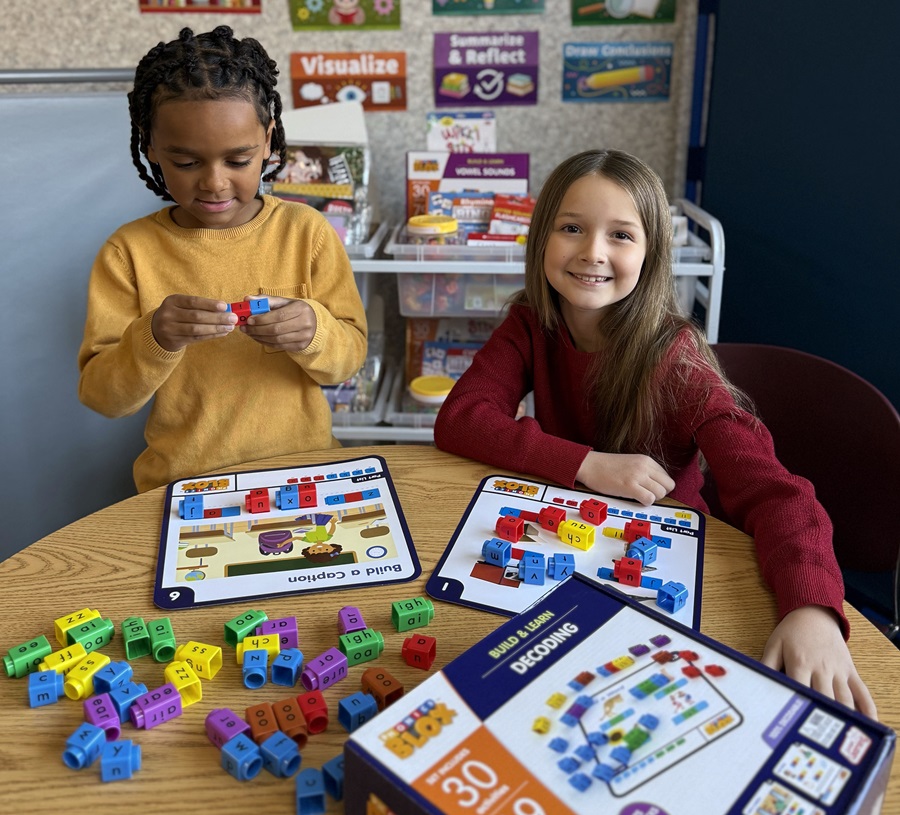
You know the moment.
Students are gathered. The lesson is moving. Everyone is focused. Then the teacher realizes the magnetic letters are across the room, the decodable books are on another shelf, and the dry erase boards never made it back from the last small group.
The lesson pauses. Students wait. And with young learners, it does not take long for focus to wander.
Effective K–2 literacy instruction happens in many ways and often in many places. A teacher may move from whole-group phonics instruction to small-group practice, targeted reading intervention, literacy centers, and independent reinforcement, all within the same literacy block.
Literacy coaches, reading specialists, and interventionists may also move between classrooms, student groups, and shared instructional spaces.
The instruction changes. Student needs change. The materials educators need change with them.
Mobile literacy support keeps books, manipulatives, phonics activities, and teaching tools organized and within reach. That means smoother transitions, stronger student engagement, and more time for the work that matters most: helping students become confident readers.
One Literacy Block, Many Instructional Needs
Early literacy instruction is not one lesson delivered one way.
A teacher may introduce a new phonics skill during whole group instruction, model it again at the small group table, provide targeted intervention for students who need more support, and offer hands on practice to reinforce the skill.
That can require a lot of resources:
- Decodable books for connected text practice
- Magnetic letters for building words
- Dry erase boards for guided practice
- Flashcards for reinforcing phonics skills
- Hands on activities for active learning
- Differentiated texts for different reading levels
When these materials are stored in different places, every shift in instruction can become a new round of gathering and setup.
A mobile literacy cart keeps resources together and ready to use. Teachers can quickly choose the right materials for the skill, the student group, and the goal of the lesson without having to rebuild their setup each time.
Because “Hold On While I Find It” Costs More Than a Minute
Every minute of K–2 instruction matters. So does momentum.
When a teacher pauses to search for a book or gather materials for the next activity, students are left waiting. Even a short delay can interrupt the flow of the lesson and give young minds time to drift somewhere else.
Then the teacher has to bring everyone back together before instruction can continue.
Keeping literacy materials organized and within reach helps eliminate those unnecessary pauses. Teachers can move directly from explicit phonics instruction to guided practice, reading intervention, or skill reinforcement while students are still focused and ready.
Faster transitions do more than protect instructional time. They protect student attention.

Across the Room or Across the School
Mobile literacy support is not just for specialists who travel between classrooms.
Within one classroom, literacy instruction may happen at the whole group area, a small group table, a literacy center, or an intervention station. A mobile literacy cart allows the materials to move wherever the instruction is happening.
Teachers can bring the cart closer during whole group instruction, position it beside the small group table, or use it as an organized resource center during literacy rotations.
It also supports literacy coaches, reading specialists, and interventionists who work across classrooms and shared instructional spaces.
Whether the cart moves a few feet or down the hallway, the right resources move with the educator.
Differentiation Without the Scavenger Hunt
Students in the same K–2 classroom may be working at very different stages of reading development.
Some may be developing phonemic awareness and learning letter sound relationships. Others may be blending words, practicing more advanced phonics patterns, or building fluency with decodable text.
Differentiated literacy instruction is essential, but managing materials for every group can quickly become complicated.
A well-organized mobile literacy system makes it easier to find resources that match each group’s needs. One system can support:
- Core classroom instruction
- Small group phonics practice
- Targeted literacy intervention
- Skill reinforcement
- Practice with decodable books
- Enrichment for students ready to advance
Teachers can adjust instruction without maintaining a completely separate collection of materials for every group. The lesson may change, but the resources remain organized and easy to access.
Ready for Push-In and Pull-Out Support
Reading specialists, literacy coaches, and interventionists often support several classrooms and student groups throughout the school day.
In a push-in model, an educator may provide targeted literacy support within the classroom. In a pull-out model, students may receive reading intervention in another classroom or shared instructional space.
A mobile literacy cart works for both.
Educators can bring books, manipulatives, and phonics tools directly to the classroom or move them to an intervention space. They do not have to gather and carry a different set of materials for every lesson.
The educator can move. The materials can move. The instructional structure stays consistent.
Shared Resources That Are Actually Easy to Share
Literacy resources are often used by classroom teachers, interventionists, specialists, and multiple grade levels. Without a clear system, materials can become scattered, misplaced, duplicated, or forgotten.
A centralized mobile literacy system keeps frequently used materials together in one organized location.
Educators can quickly find what they need and return it after the lesson. Schools can make better use of shared literacy resources, reduce unnecessary duplication, and give more teachers and students access to high quality instructional materials.
It is a practical solution for classrooms with limited storage and schools where several educators share responsibility for literacy instruction.
What Makes a Mobile Literacy System Work?
Putting materials on wheels is only part of the answer. The resources must also be organized in a way that supports instruction.
An effective mobile literacy system should:
- Support whole group, small group, and intervention instruction
- Include resources aligned to foundational reading skills
- Keep books and hands on materials organized
- Make resources easy to find, use, and return
- Support differentiated literacy instruction
- Reduce setup time between lessons and groups
- Help educatorsmaintainconsistent instructional routines
- Move easily within and between classrooms
The Science of Reading Learn & Go™ Cart was designed to bring these pieces together.
A Mobile Science of Reading Solution for K–2
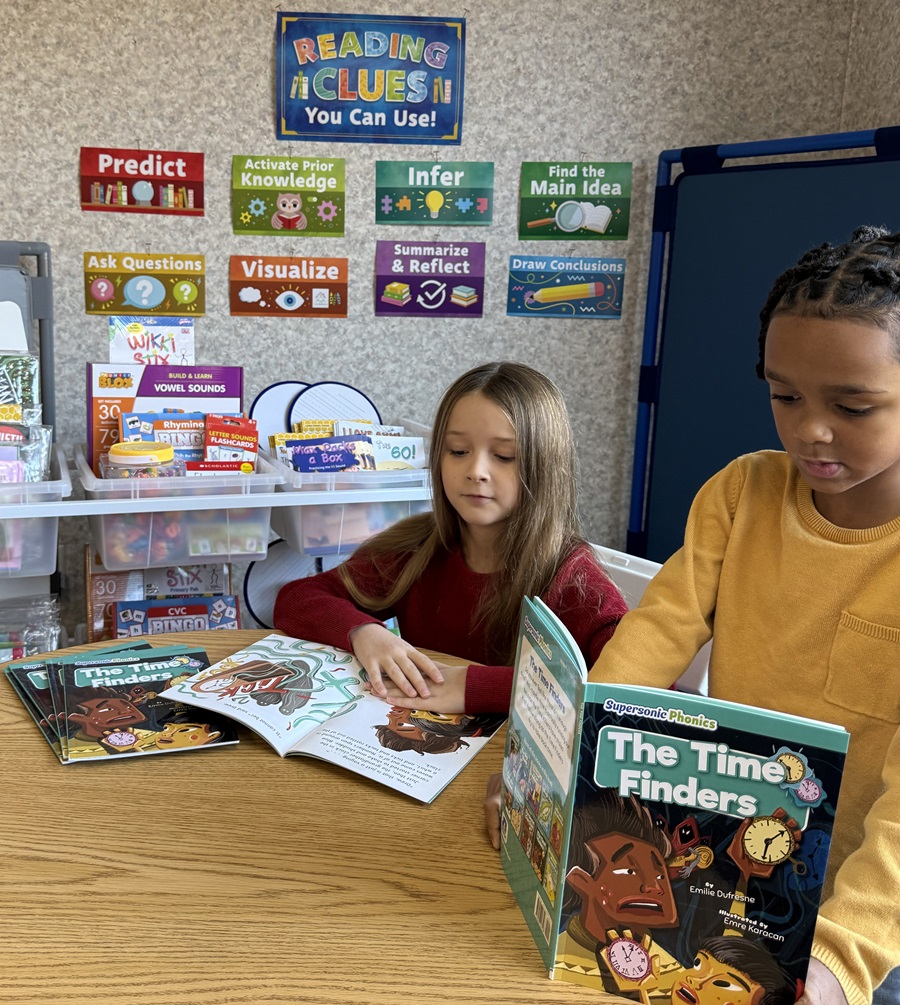
The Science of Reading Learn & Go Cart gives classroom teachers, literacy coaches, reading specialists, and interventionists an organized collection of books and hands on materials that can move wherever literacy instruction takes place.
Each cart includes more than 300 books across grades K–2, covering foundational through advanced phonics skills.
Core Skills Introductory Sets support explicit modeling and guided practice. Rigorous Skills Small Group Sets provide targeted reinforcement and make it easier to differentiate instruction based on student needs.
Magnetic letters, dry erase boards, flashcards, and phonics activities give students active opportunities to build and practice foundational reading skills.
Resources are organized around Key Skills and Focused Skills, helping educators quickly find the right materials for each lesson or student group. No digging through cabinets. No gathering resources from around the room. No losing the group while preparing the next activity.
Just organized, ready to use literacy support when and where it is needed.

Keep the Lesson Moving and the Learning Going
Strong early literacy instruction depends on consistency, structure, student engagement, and access to the right resources.
Whether a classroom teacher is moving from whole group phonics instruction to a small group table or an interventionist is moving between classrooms, the materials should be ready to move with the lesson.
Mobile literacy support reduces time spent gathering resources, keeps students engaged during transitions, and creates more time for explicit instruction, guided practice, and meaningful reading experiences.
Less time searching. Less time waiting. More time teaching. And more opportunities for every student to become a successful reader.



Leave a Reply