
 Education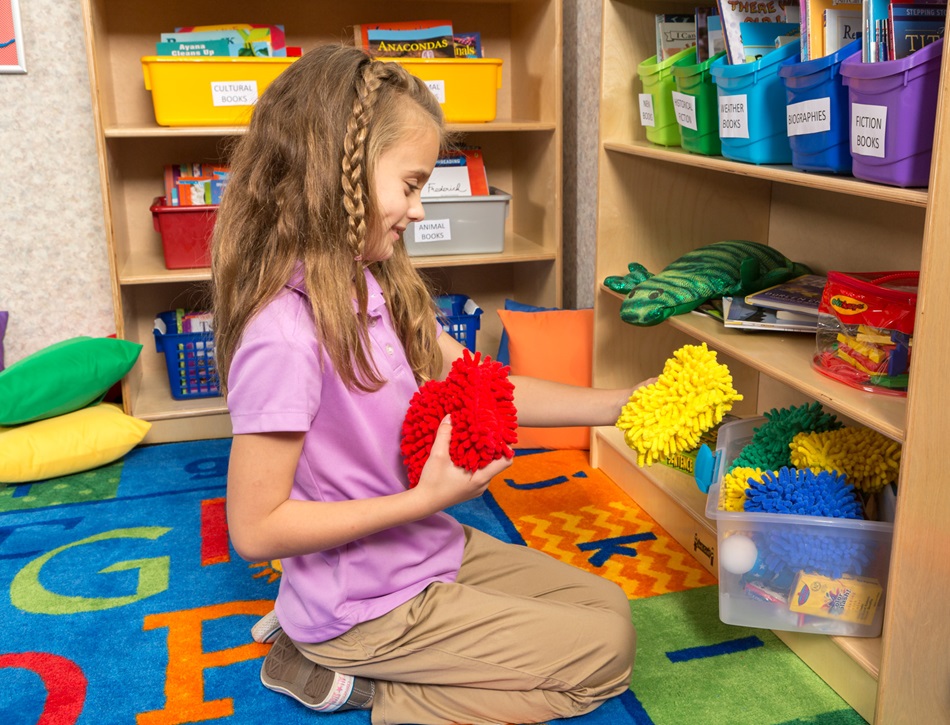
Children take in sensory information all day through sight, sound, touch, movement, taste, and smell. Most of the time, the brain processes this information without much thought. For some children, however, sensory input can be difficult to manage.
These differences can affect how a child participates in the classroom. A student who frequently moves, touches objects, or makes sounds may be seeking more sensory input. Another student may cover their ears, avoid certain textures, or become uncomfortable in busy environments because the sensory input feels overwhelming.
Understanding sensory seeking and sensory avoiding can help educators look beyond a behavior and consider what a student may be experiencing. It can also help teachers find simple ways to make classroom activities and routines more manageable.
Educators can also explore sensory solutions designed to provide different types of tactile, visual, auditory, and movement-based experiences.
Types of Sensory Input
When we think about our senses, we usually think of sight, smell, hearing, taste, and touch. Children also receive sensory information about movement, balance, and body position. Understanding these different types of input can help educators recognize why certain classroom experiences may be appealing or overwhelming for a student.
- Sight: Bright lights, colors, patterns, movement, and busy surroundings.
- Smell: Food, cleaning products, perfumes, and classroom materials.
- Hearing: Voices, music, classroom noise, alarms, and other sounds.
- Taste and oral input: Flavors and food textures, as well as the need to chew or mouth objects.
- Touch: Physical contact and the textures of clothing, art materials, furniture, and other objects.
- Proprioception: Information about body position, movement, and force. Activities such as pushing, pulling, carrying, and squeezing provide proprioceptive input.
- Vestibular input: Information related to balance and movement. Rocking, spinning, swinging, and jumping are examples of activities that provide vestibular input.
A child may seek some types of sensory input while avoiding others. Their responses can also change depending on the activity or environment.
Sensory Seeking: What It Is and How It Looks
Some children seek out additional sensory input. Movement, sound, touch, and physical activity may help them stay alert and engaged.
In the classroom, sensory-seeking behavior may include:
- Frequently moving, fidgeting, or changing positions
- Touching people or objects often
- Standing very close to others or having difficulty with personal space
- Walking with heavy or loud steps
- Jumping, hopping, crashing, or engaging in rough play
- Using more force than necessary when writing or handling objects
- Seeking out or making loud or repetitive noises
- Chewing on shirt sleeves, collars, or other non-food items
These behaviors can sometimes be mistaken for disruptive behavior. Instead of focusing only on stopping the behavior, educators can consider whether the student needs an appropriate way to get more movement or sensory input.
Movement breaks, hands-on activities, classroom jobs, and opportunities to carry, push, pull, or organize materials may provide useful alternatives.
For students who benefit from something to manipulate with their hands, fidgets and sensory tools can provide additional tactile input. Options such as Squishy Shapes offer a hands-on sensory experience, while Super Sensory Tactile Beanbags can be incorporated into both tactile exploration and movement activities.
Sensory Avoiding: What It Is and How It Looks
Some children are more sensitive to sensory input and may try to avoid experiences that feel uncomfortable or overwhelming.
A sensory-avoiding student may:
- Cover their ears or become upset by unexpected sounds
- Prefer quieter spaces
- Avoid crowded environments
- Dislike being touched or bumped unexpectedly
- Avoid certain textures or messy activities
- Be particular about how clothing feels
- Become uncomfortable with bright lights or visually busy spaces
- Avoid swings, climbing equipment, or other movement-based activities
- Have difficulty when there is too much sensory input at once
These reactions are not necessarily signs that a child is being difficult or refusing to participate. When educators recognize a student’s triggers, they can look for ways to reduce unnecessary sensory input or make an activity more predictable.
For students who are sensitive to loud sounds, Noise Reducing Earmuffs may be one option to consider during particularly noisy activities or events. Educators can also explore additional calming and self-regulation resources when creating quieter classroom spaces or routines.
It’s Not Always One or the Other
Children don’t always fit neatly into the categories of sensory seeker or sensory avoider. A student may seek one type of sensory input while avoiding another.
For example, a child may enjoy running and jumping but find loud noises uncomfortable. Another may enjoy hands-on activities but avoid certain textures.
Sensory responses can also change depending on the child’s environment, activity, energy level, or ability to self-regulate. A student who is comfortable in a familiar classroom may respond differently in a crowded or unfamiliar setting.
For educators, it can be more helpful to look for patterns than to assign labels. Pay attention to what happens before a behavior, what the student does, and what happens afterward. These observations can help identify situations that may be supporting or challenging the child’s participation.

Creating a Sensory-Friendly Classroom
Supporting sensory needs doesn’t require completely changing the classroom. Small adjustments can make activities and routines more manageable for students with different sensory preferences.
Provide Opportunities for Movement
Consider incorporating:
- Short movement breaks
- Stretching or movement during lessons
- Classroom jobs that involve carrying, pushing, pulling, or organizing
- Hands-on learning activities
- Opportunities to change positions when appropriate
Make Sensory Input More Manageable
For students who are sensitive to sensory input, educators can:
- Give advance notice before loud or unexpected activities
- Provide a quiet space for short breaks
- Reduce unnecessary background noise
- Keep visual distractions to a reasonable level
- Offer choices when appropriate
- Introduce unfamiliar textures or activities gradually
- Use visual schedules and clear transition cues
A quiet corner can give students a place to take a short break when they need less stimulation. It should be a supportive option rather than a form of punishment or exclusion.
Educators can also make a variety of sensory experiences available and allow students to respond differently to them. For example, tactile resources such as a Tactile Fabric Swatch can provide different textures to explore, while fidgets, sensory balls, visual tools, and other sensory stimulation resources offer additional options depending on a student’s needs and preferences.
Look Beyond the Behavior
Not every classroom behavior is related to sensory needs. A child may fidget because they are bored, talk loudly because they are excited, or avoid an activity simply because they don’t want to participate.
Still, when a behavior happens repeatedly in response to a particular type of sensory input, it may be worth taking a closer look.
Instead of asking, “How do I get this student to stop?”, consider asking, “What might this student be responding to, and what could help them participate?”
When sensory differences consistently affect a child’s learning, participation, comfort, or safety, educators can work with families and appropriate school professionals. An occupational therapist may be able to help identify sensory-related challenges and recommend individualized strategies.
Most importantly, sensory support should be individualized. A strategy that works well for one student may not work for another.
Supporting Students With Different Sensory Needs
There is no single strategy that works for every child. Some students may benefit from more opportunities for movement and hands-on input, while others may need ways to reduce or manage sensory stimulation.
The goal is not to label a child as a sensory seeker or sensory avoider. Instead, educators can observe, identify patterns, and make reasonable adjustments that help students participate in classroom activities.
Sometimes, a small change, such as a movement break, a quieter workspace, a different way to participate, or preparation before a noisy activity, can make it easier for a student to focus and learn.
By understanding sensory needs and looking beyond the behavior, educators can create classrooms that support a wider range of learners.
Find Sensory Solutions for Your Classroom
Explore S&S Worldwide’s Special Needs resources for sensory, calming, motor skills, flexible seating, cognitive tools, and more.
Looking for sensory tools specifically? Shop Sensory Stimulation to explore tactile, visual, auditory, fidget, sensory ball, and other options for your classroom or program.
Good Budget News: Looking to stretch your budget even further? Shop our Sensory & Calming deals and save 40% on select products while supplies last.



Leave a Reply