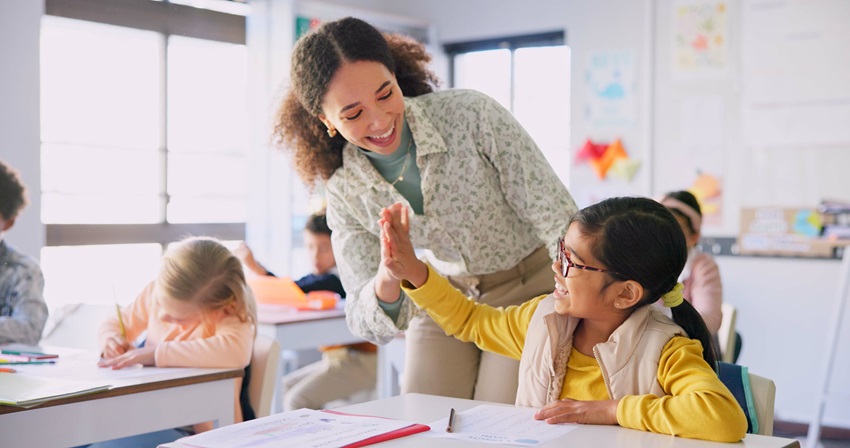
Imagine starting each school day with a simple routine: students jot down something they’re thankful for.
Teachers across the country have tried this practice, and the results are striking. Within weeks, many report that students feel calmer, more focused, and more engaged in their learning. These aren’t just “feel-good” benefits, they translate into stronger academic outcomes.
Research shows that gratitude practices in K–12 classrooms do more than build character. They enhance focus, motivation, engagement, and overall classroom well-being, which are all key ingredients for student success.
Gratitude and Academic Engagement
Why does gratitude matter for academics? Research is increasingly showing that gratitude doesn’t just improve mood, it helps students stay motivated, engaged, and prepared to learn.
Motivation and engagement:
Multiple studies, including cross-sectional, longitudinal, and experimental designs, demonstrate that gratitude strengthens intrinsic motivation and boosts both self- and teacher-reported academic engagement.
Mental health and readiness to learn:
A 2022 review of 64 studies found that gratitude practices boost mental health and mood while lowering anxiety and depression which are key factors that help students be ready to learn.
Classroom climate:
Early interventions such as “count your blessings” activities increased life satisfaction and reduced negative effects among adolescents, improving school-related well-being.
Emerging U.S. data:
While K-12 academic outcome research is still developing, related programs such as mindfulness initiatives incorporating gratitude, have shown gains in math performance, stress management, optimism, and emotional regulation.

What makes gratitude such a powerful tool for learning?
- Motivation & Focus – Gratitude nurtures intrinsic motivation. Students engage in learning because they want to, not just because they are told to. This leads to deeper, more sustainable engagement.
- Emotional & Cognitive Readiness – By reducing anxiety and fostering optimism, gratitude creates the emotional balance students need to be attentive, resilient, and responsive in the classroom.
- Climate & Connection – Gratitude builds trust and emotional safety among students and educators. Supportive classroom relationships, in turn, promote persistence and participation.
Practical Ways to Build Gratitude in Schools
How can schools bring gratitude to life? Simple, structured activities can make a big impact on student mindset and classroom culture.
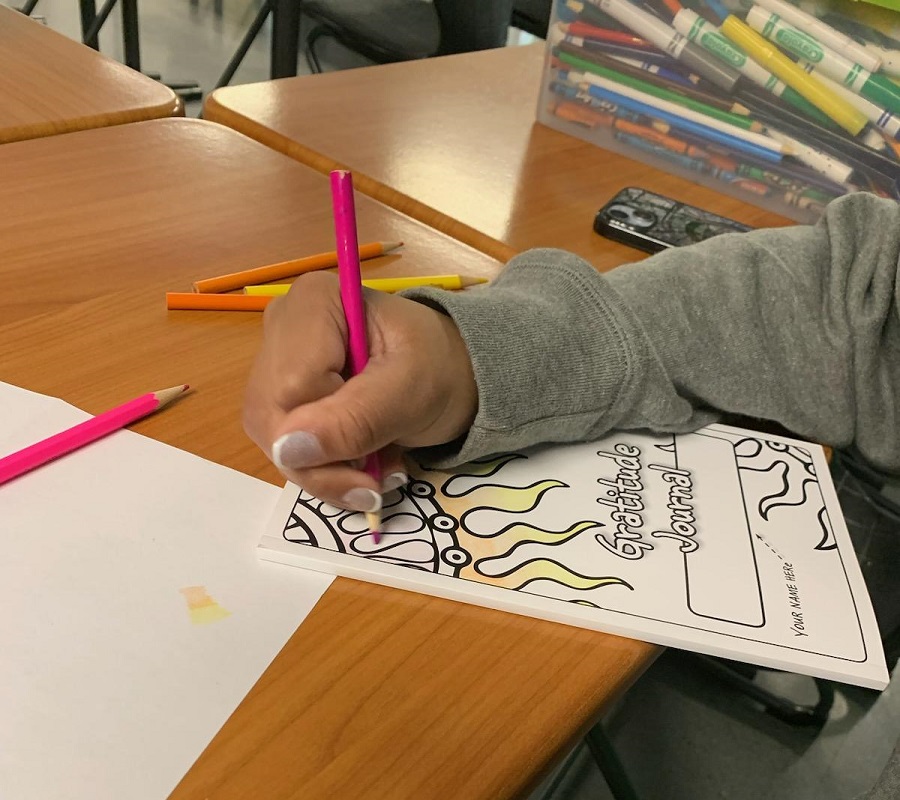
Gratitude Journals
Daily or weekly prompts like “Today I’m thankful for… because…” can shift students’ outlooks toward optimism. Studies with middle schoolers show increases in optimism, life satisfaction, and school satisfaction, along with reductions in negative feelings.
Gratitude Walls or Sharing Circles
Quick opportunities for students to recognize academic support or celebrate small learning wins foster belonging and a culture of positivity.
Teacher Gratitude Notes
Encouraging students to thank a teacher or peer strengthens trust, motivation, and relationship building.
Measuring Impact
How do schools know if gratitude practices are working? Tracking both hard data and personal reflections helps show the benefits clearly.
- Academic Indicators – Track assignment completion rates, report card grades, or assessments before and after implementing gratitude practices.
- Engagement & Climate Surveys – Use tools that measure motivation, well-being, and classroom satisfaction to capture shifts in student experience.
- Qualitative Reflections – Collect teacher and student observations about changes in focus, collaboration, and classroom tone to complement quantitative data.
What Educators Can Do Next
Gratitude practices are more than a classroom add-on. They are evidence-based strategies that build motivation, engagement, stress resilience, and positive classroom climates -conditions that directly support academic achievement.
Start small: introduce daily journals, gratitude walls, or sharing circles. Pair these efforts with simple data collection to monitor progress. Provide teachers with ready-to-use prompts, survey tools, and reflection sheets to make implementation easy and impactful.
By embedding gratitude into school culture, educators can help students not only feel better, but also learn and achieve at higher levels.
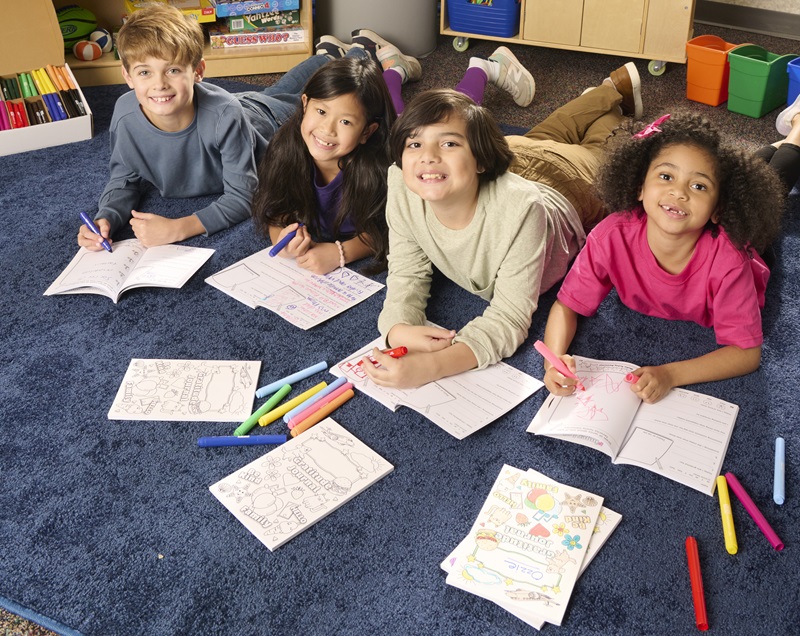
Bringing Gratitude to Life with Journals from S&S Worldwide
At S&S Worldwide, we’ve seen how a simple tool like a gratitude journal can help schools put these practices into action. Our ready-to-use journals give students a structured space to reflect on what they’re thankful for, turning research into daily routines. Whether used for morning warm-ups, end-of-day reflections, or part of a broader SEL initiative, these journals foster optimism, focus, and resilience—directly supporting the academic and social benefits highlighted above. Explore our Gratitude Journals to start building thankfulness into your classroom culture.
Get practical ideas and ready-to-use inspiration for making gratitude a meaningful part of your classroom, afterschool program, or youth setting!