
 Education
Creating a supportive, positive, and engaging school environment is essential to helping students thrive – not just academically, but socially and emotionally as well. One of the most effective ways to cultivate this kind of environment is by implementing Positive Behavioral Interventions and Supports (PBIS).
What is PBIS?
PBIS is an evidence-based, school-wide framework designed to improve students’ behavioral, academic, social, emotional, and mental health by promoting positive behaviors and building inclusive school communities.
At its core, the goal of PBIS is to teach and reinforce appropriate behavior while giving each student the appropriate amount of support.
PBIS is organized into three tiers of support:
Tier 1: Universal Support
This is the foundation for all students, staff, and settings. It includes school-wide expectations, proactive teaching, and consistent reinforcement.
Examples:
- Teaching behavior expectations like “Be Respectful” or “Stay Safe”
- Recognizing students for showing positive behavior
Tier 2: Targeted Support
Specialized interventions designed for students who need more support than Tier 1 provides. These are often delivered in small groups and focus on building specific skills or addressing early signs of behavioral challenges.
Examples:
- Check-in with an adult mentor
- Social skills groups or extra practice with behavior expectations
- More frequent positive feedback and supervision
Tier 3: Individualized Support
Intensive, personalized interventions for students with the most significant behavioral needs. This involves individualized plans, often developed with the family’s input and data from behavior assessments.
Examples:
- One-on-one counseling or support
- Coordinated services with outside providers

Why Implement PBIS?
Implementing PBIS has been shown to improve outcomes for students, educators, and entire school communities. Research-backed benefits include:
- Increased student engagement
- Fewer behavioral disruptions and disciplinary referrals
- Stronger classroom communities and teacher-student relationships
- Higher academic performance
- Reduced teacher burnout
Getting Started with PBIS
Whether you’re a classroom teacher, school leader, or district administrator, implementing PBIS starts with building a strong foundation. These steps will guide you through launching and sustaining a positive behavior program tailored to your community’s needs.
Phase 1: Build the Foundation
Assemble Your PBIS Team
Gather a team that reflects your entire school community — teachers, support staff, administrators, families, and even student representatives. This team will carry the vision forward by defining expectations, analyzing data, and guiding the implementation of the program. Collaboration is key to lasting culture change.
Define Core Values and Expectations
What behaviors define your ideal school culture? Reflect on your school’s mission and areas for growth. From there, craft 3–5 positive, school-wide expectations that are simple, clear, and applicable everywhere — classroom, hallways, cafeteria, playground, etc. These expectations anchor your behavior program.
Create Your Behavior Matrix
Turn your expectations into actionable behaviors across different school settings. For example, “respect” in the library may look different than “respect” in the gym. This matrix becomes a roadmap for students and staff to understand exactly what success will look like in each space.
Phase 2: Launch with Intention
Teach Expectations Through Lessons
Don’t assume students already know what to do – teach behavioral expectations like you teach academic content. Use lesson plans, role-plays, and modeling to show students what positive behavior looks like in context.
Establish Positive Reinforcement
Recognize and reward students for meeting expectations. This can be through praise, shout-outs, point systems, or a PBIS store. Reinforcement encourages consistent behavior.
Roll Out with Consistent Messaging
Ensure all staff are on the same page when it comes to language, routines, and expectations. A successful rollout requires everyone – from front office staff to school bus drivers – modeling and reinforcing the program. Keep messaging clear, consistent, and visible throughout the school.
Phase 3: Monitor and Adapt
Track and Review Data
Use data (e.g., point systems, attendance) to evaluate how your expectations are being met. Regularly review data with your team.
Ask: What’s working? Where are students struggling? Are certain times, places, or student groups showing different outcomes?
Develop and Execute an Action Plan
Using your data and insights, build targeted strategies. Maybe certain areas need more supervision, or specific students need Tier 2 or even Tier 3 support. Lean on your team’s expertise to create flexible and creative solutions.
Phase 4: Sustain and Grow
Scale Purposefully, Grow Continuously
PBIS is not a one-time fix – it’s an ongoing process. Support your team with professional development and encourage a mindset of continuous learning. Reassess regularly, remain flexible, and celebrate both small wins and long-term growth.
Launching PBIS is about more than managing behavior – it’s about reinforcing desired behaviors and fostering a positive school culture. Start small, stay consistent, and center your efforts around equity, relationships, and shared values.

PBIS Reward Categories That Drive Engagement
At S&S Worldwide, we believe in supporting PBIS through purposeful play, meaningful recognition, and hands-on learning. Our curated PBIS reward categories make it easy to align incentives with your program goals – whether you’re supporting individuals, groups, or the whole school community.
Reinforce personal achievement and goal-setting with engaging, low-cost rewards students can earn. These items help motivate consistent behavior and provide students with a sense of ownership and pride.
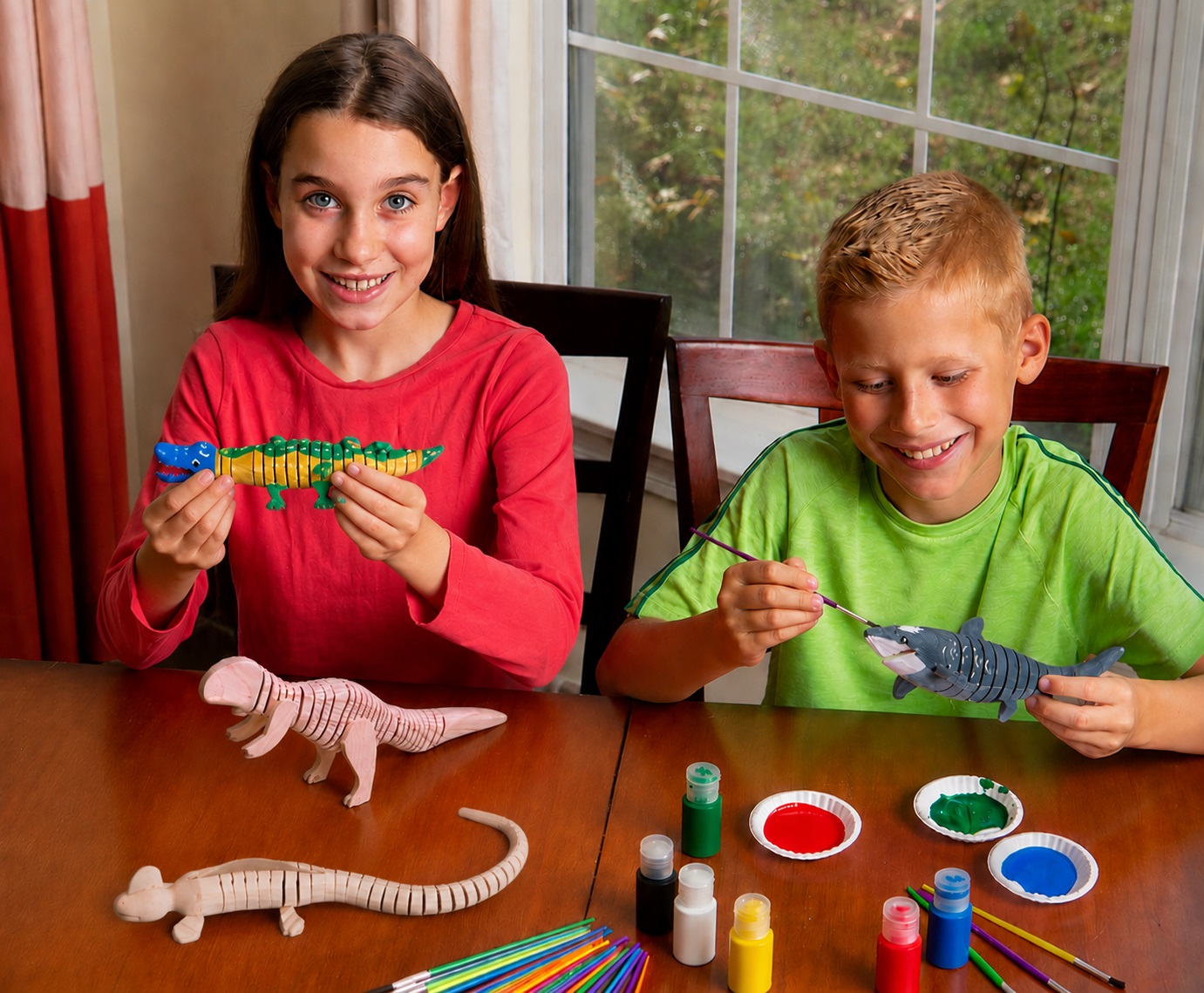
Let students express themselves with art supplies, design-your-own crafts, or classroom experiments. These experiential rewards tap into creativity and engagement.
Mystery & Treasure Chest Prizes
Add excitement with mystery rewards! Fill your PBIS treasure chest with fun surprises that students can choose from – boosting motivation and anticipation.
Encourage classroom-wide success with incentives like extra recess time, class snacks, or themed celebration days. These help build a shared sense of purpose and community.
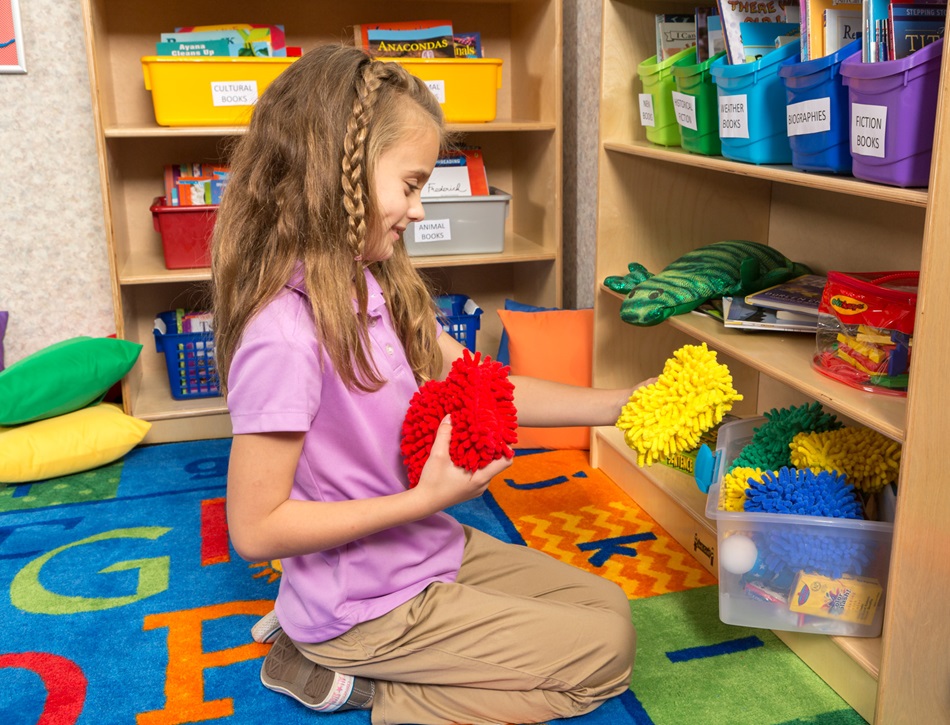
Support emotion regulation and mindfulness with calming corners, sensory tools, and social-emotional learning games. These resources are especially helpful for Tier 2 and Tier 3 interventions.
Start Building a Positive School Culture Today
Launching PBIS is about more than managing behavior – it’s about reinforcing desired behaviors, promoting equity, and creating environments where all students feel safe, respected, and valued.
At S&S Worldwide, we’re proud to be your partner in that mission. Explore tools that make PBIS real and rewarding in every classroom, hallway, and learning space.
Explore PBIS Resources →
Let’s build a school culture where every child is empowered to thrive.

Leave a Reply