 After School
Grow Your Own Zinnia Flower Garden for Spring & Summer Season
Arts & Crafts
5 min read
Share

Share
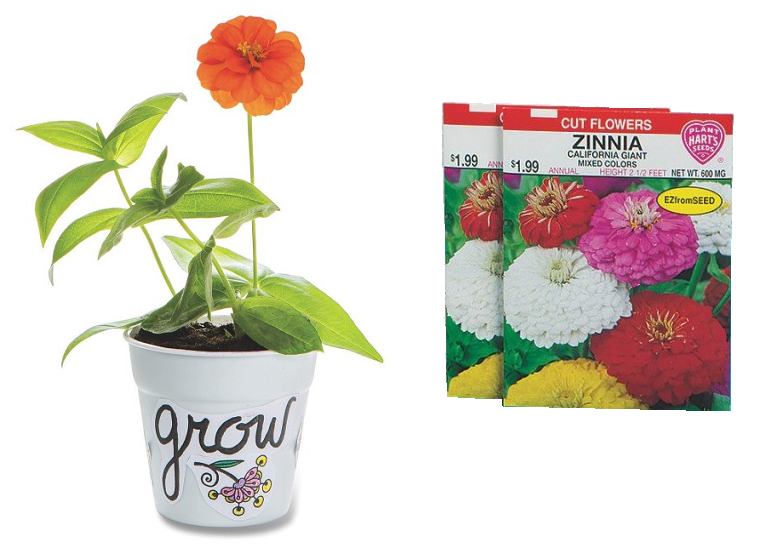
Grow your own garden with our EduCraft® Zinnia Flower Gardens Pack! The best time to plant zinnias is late April or early May, when there is no more frost and the temperature is over 50 degrees. You can plant them into the beginning of July. One of the easiest flowers to grow, seeds start in the included pots and then can be transplanted into a garden or kept on a sunny windowsill to bloom. Everyone can decorate and customize the reusable pot with the included sticker designs. Our pack of 48 comes with all supplies and instructions included.
Age group: 5 and up
Project time: 45 minutes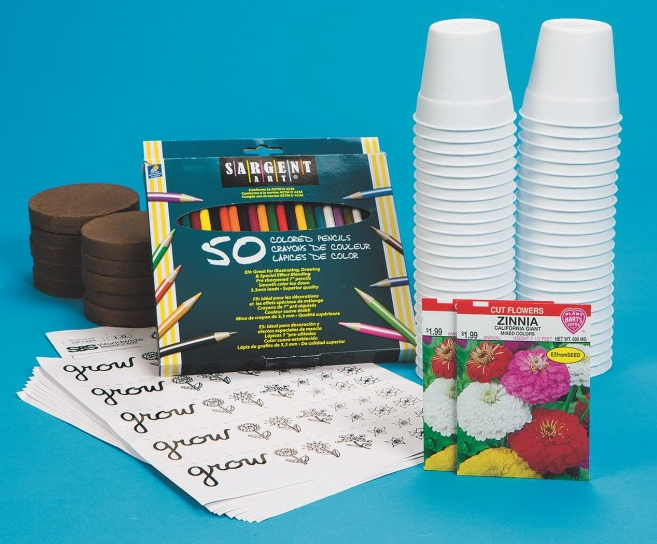
Your kit contains:
You will need:
Each person should have a plastic pot. The zinnia seeds, colored pencils, and sticker sheets (see note) will be shared among the group. The soil pellets, once hydrated will be shared among the group.
Design the Flower Pot:
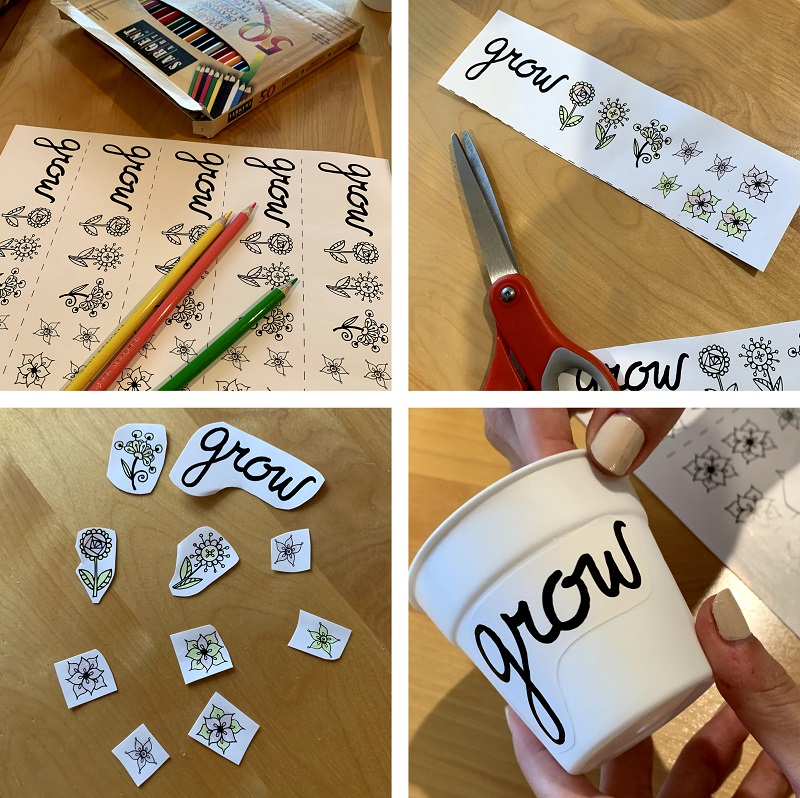
1) Cut sticker sheets along the dotted lines into 5 smaller sheets so each participant gets a section. If you prefer, you can cut out all the different flower shapes and words and place in center of the table so that everyone can take what they want. You can also cut shapes out of the blank sticker areas, that can be colored.
2) Use the colored pencils to color the stickers. (You can also use the colored pencils to color the flower pot)
3) Peel and stick the stickers onto the flower pot however you would like.
NOTE: Younger participants may need help peeling the stickers.
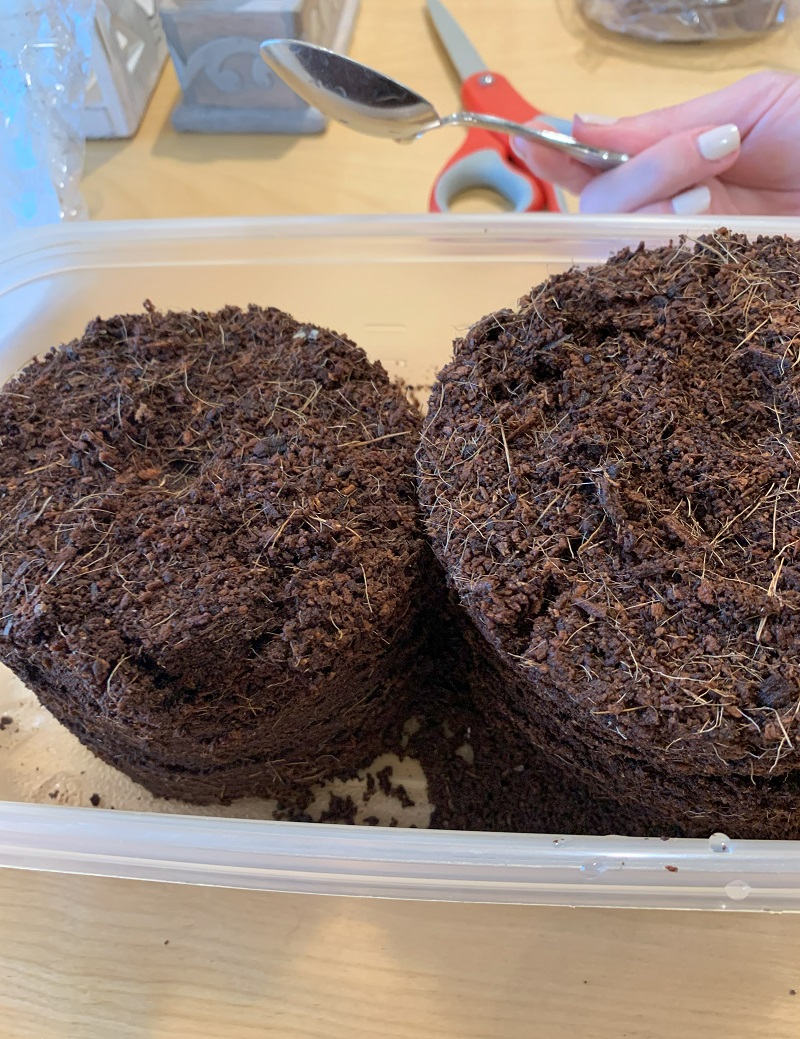
Rehydrate the Soil Pellets:
Place soil pellets in a large pan or pail. Expand the soil pellets by adding 1 cup of water for each pellet. Wait for expansion to occur. Add more water if the soil is too dry. This step can be done ahead of time or as part of the project activity – whichever is best for your group.
Plant the Seeds:
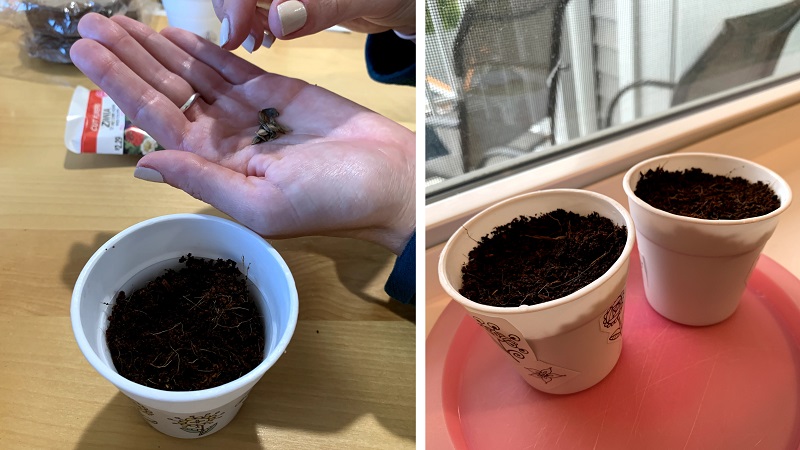
Zinnias can be transplanted into a garden or larger pot but you need to be careful!
Here are some tips:
Recommended for Beginners:
Zinnias are recommended for beginning gardeners and are annuals, meaning that they go from seed to flower to seed quickly. Zinnias come in a range of every bright and pastel (except the blues), plus bi-colors, tri-colors, and crazy-quilt mixes designed for cutting, to attract pollinators, etc.
Expand your vocabulary… with Zinnias
Wonderful language gets used when describing zinnia flowers: stars and daisies, dahlias and spiders, buttons and domes, and quill-leaf cactus. Flowers can be “singles,” with petals lined up in a row around an open center, or semi-doubles, or doubles. All work marvelously in floral arrangements.
Save the seeds and plant them next year
It’s easy to save zinnia seeds. Simply let the flowers dry fully on the stem, then collect the seedheads and lightly crush them in your hand to release next year’s seed crop. Store in a cool, dry place.
Zinnias are Butterfly Magnets!
The bigger-flowered varieties act like landing pads for nectar-seeking butterflies. (Same goes for hummingbirds.) Try tall zinnias with red or hot pink flowers to get the biggest draw.
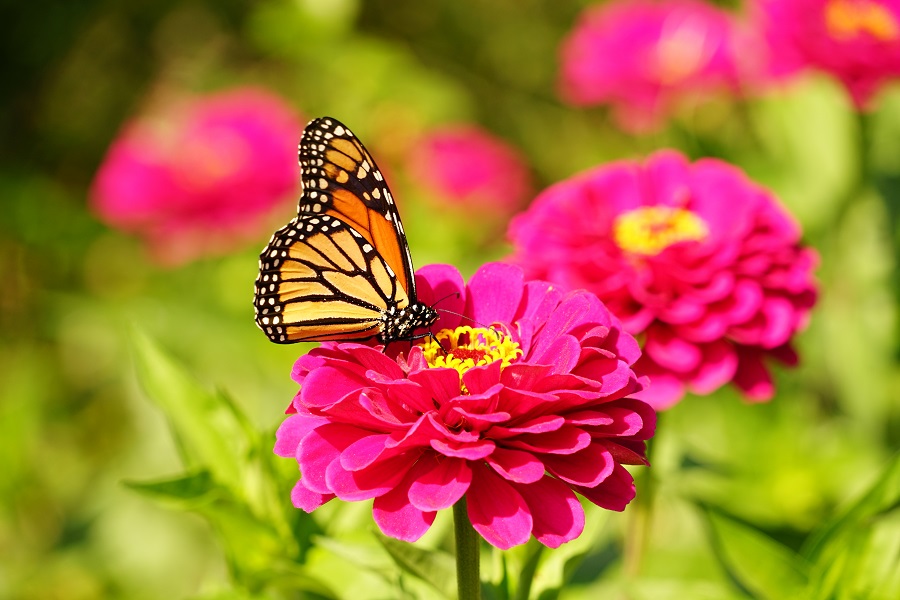
To have bushier-shaped zinnia plants, pinch off an inch or so from the tips of the main stems while plants are still young.
Zinnias don’t like being transplanted so carefully sow seeds in pots that can be directly transplanted into the garden. Place zinnia seeds on soil surface and lightly press into the surface. Cover with 1/4″ of soil. Lightly water and cover with clear plastic or glass to keep seeds from drying out. Seeds should germinate in 4 to 7 days. Once up, remove cover and keep soil evenly moist.
[…] Grow Your Own Zinnia Flower Garden for Spring & Summer Season […]
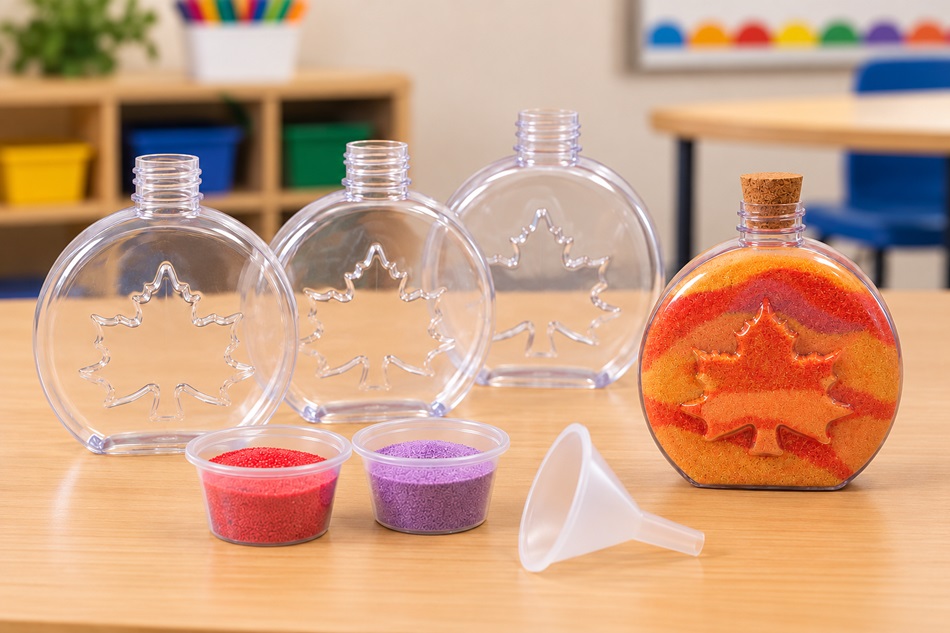
Looking for a fun and easy fall craft to enjoy with your group? Sand art is a colorful, hands-on activity that encourages creativity, provides a sensory experience, and gives everyone the chance to make something unique. Whether you’re planning a classroom activity, an afterschool craft, a recreation program, or a seasonal activity for seniors, sand […]
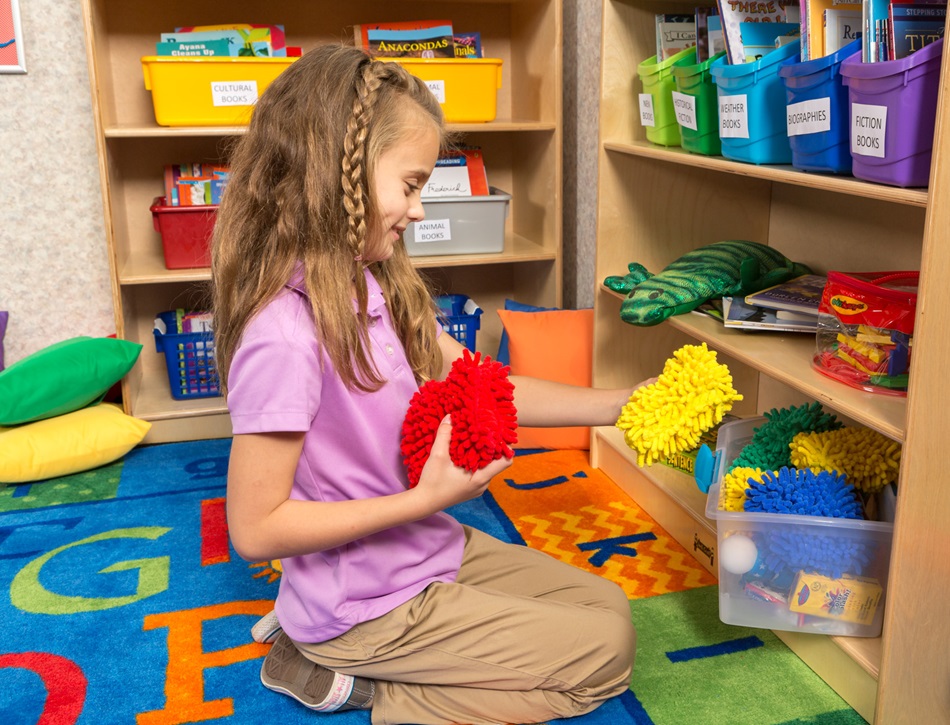
Children take in sensory information all day through sight, sound, touch, movement, taste, and smell. Most of the time, the brain processes this information without much thought. For some children, however, sensory input can be difficult to manage. These differences can affect how a child participates in the classroom. A student who frequently moves, touches […]

For a young child, an ordinary cardboard box can become a fire truck racing off to an emergency, while a simple wooden block turns into a telephone for an important call. In an instant, the scene changes. The child is now the chef of a bustling restaurant, taking dinner orders, preparing imaginary meals, and making […]
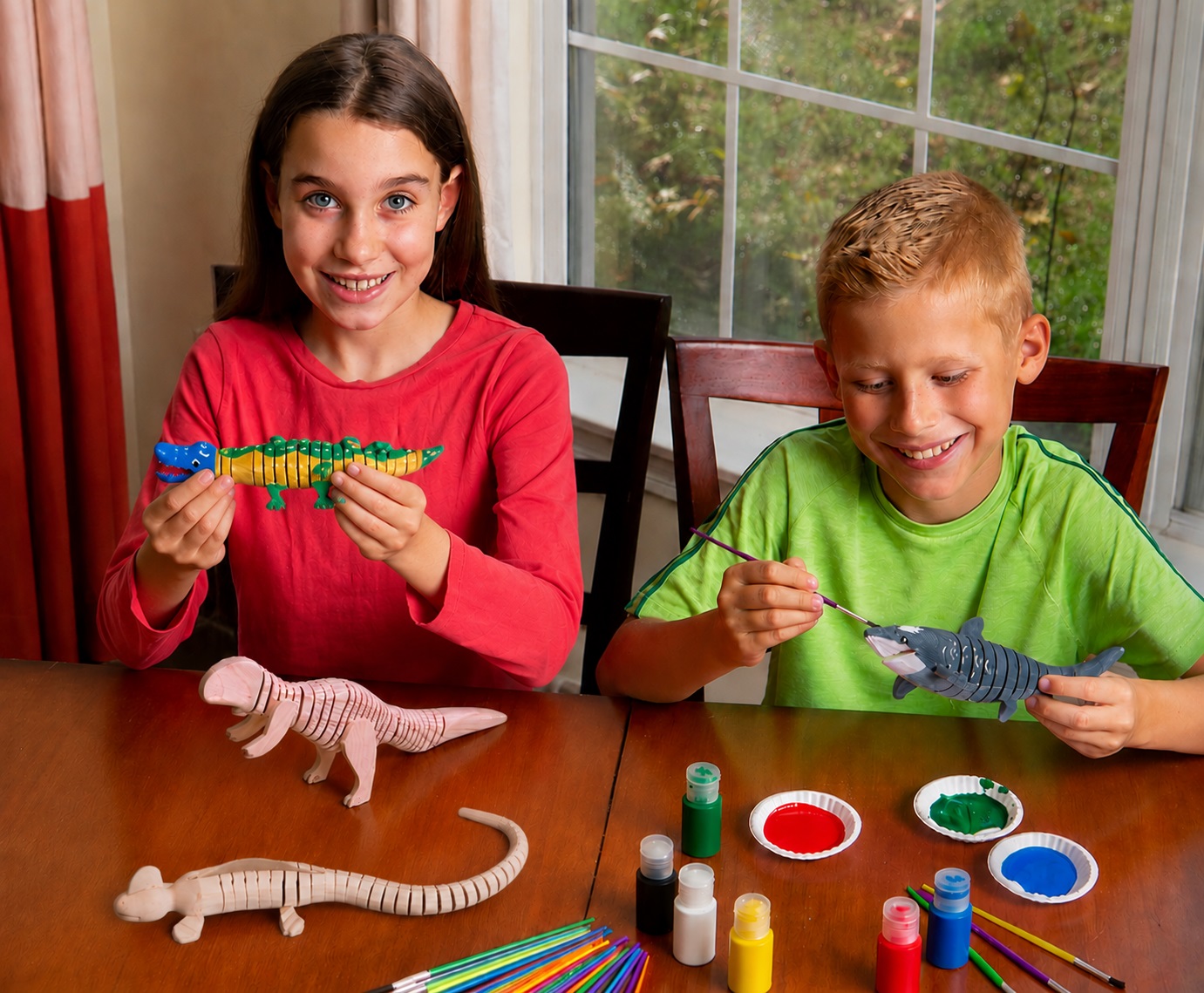
What if a craft didn’t stop being fun once the paint dried? Our Flexible Wooden Animal Craft Kits combine creativity with movement, giving kids a project they can decorate, bend, wiggle, slither, and play with long after craft time is over. Made from cleverly notched wood, these animals bend and flex with simple movements of […]
Are you an educator, program leader, or creative thinker with ideas to share? We’re always looking for passionate contributors to help inspire our community. Whether it’s a lesson plan, activity idea, success story, or helpful tip — your voice can make a difference.
Interested in contributing? Email us at [email protected] to get started.
Leave a Reply